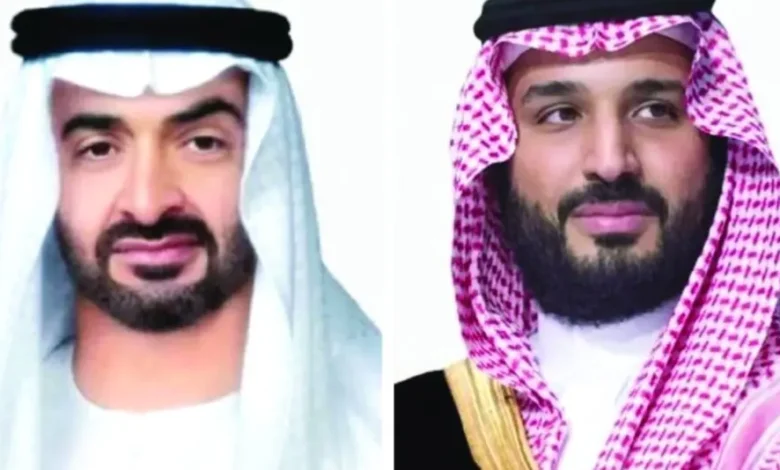

In a move reflecting the depth of strategic coordination between Riyadh and Abu Dhabi, His Royal Highness Prince Mohammed bin Salman bin Abdulaziz Al Saud, Crown Prince and Prime Minister of Saudi Arabia, held a telephone conversation with his brother, His Highness Sheikh Mohammed bin Zayed Al Nahyan, President of the United Arab Emirates. The call included a comprehensive review of the strong fraternal relations between the two brotherly countries, as well as an exchange of views on the most prominent regional and international developments and the efforts being made to achieve stability and peace in the region.
Historical context of strategic relations
This conversation takes place within the context of deep-rooted historical and strategic relations between the Kingdom of Saudi Arabia and the United Arab Emirates. Both countries are cornerstones of the Gulf Cooperation Council and share a unified vision on many critical issues facing the Arab world. Over the decades, this relationship has evolved from mere neighborly and fraternal ties into a comprehensive strategic partnership encompassing political, economic, military, and security spheres, as evidenced by ongoing coordination at the highest levels.
The importance of timing and its impact on the stability of the region
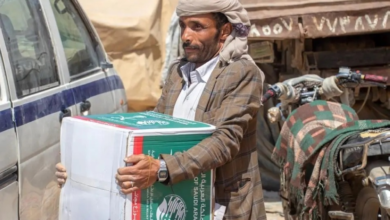
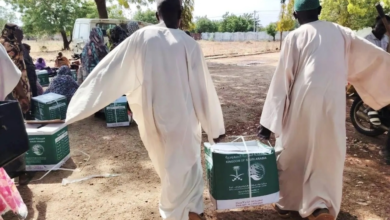
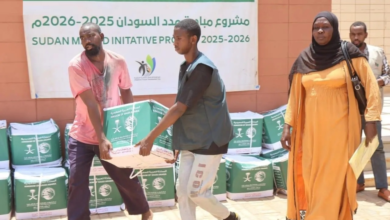
This communication is particularly important given the complex challenges facing the region, from the situations in Sudan and Yemen to broader geopolitical tensions. The Saudi-Emirati coordination reflects a shared commitment to containing crises and supporting political solutions that guarantee the sovereignty of states and fulfill the aspirations of their people. The ongoing consultations between the two leaderships aim to unify positions and form a cohesive front capable of effectively addressing rapidly evolving circumstances, while also sending a clear message to the international community about the pivotal role Riyadh and Abu Dhabi play as regional stabilizing forces.
Internationally, this rapprochement contributes to strengthening the two countries' positions as influential players on the global stage, particularly in the areas of energy, waterway security, and the global economy. The coordinated stances of the two largest economies in the Arab world carry significant weight in international forums and directly influence decisions related to energy security and international policies toward the Middle East. This ongoing communication underscores that the security and stability of the Gulf are integral to the security and stability of the entire world.