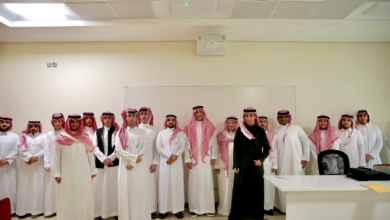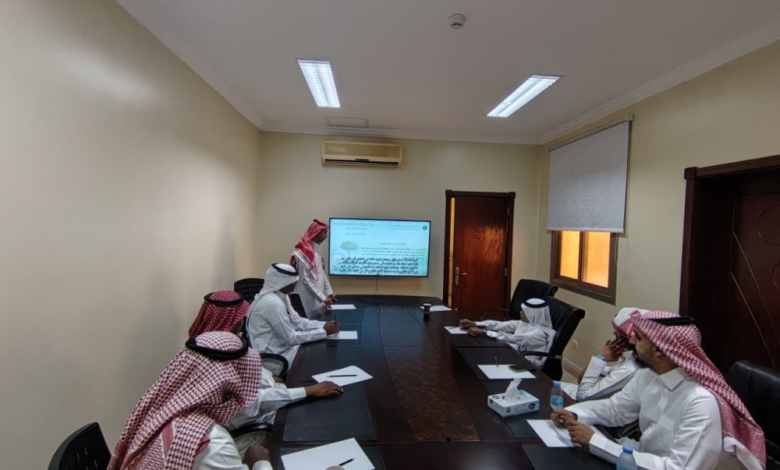

نظّم مكتب وزارة البيئة والمياه والزراعة في محافظة القنفذة ورشة عمل متخصصة تسعى إلى رسم ملامح مستقبل قطاع المياه المعالجة في المملكة العربية السعودية. تهدف هذه الفعالية إلى تعزيز الوعي البيئي وترشيد استهلاك الموارد المائية، وذلك من خلال تسليط الضوء على أحدث الحلول والتقنيات المبتكرة لاستخدام المياه المعالجة بكفاءة عالية.
السياق الاستراتيجي والأمن المائي
تأتي هذه الورشة في سياق تاريخي واستراتيجي بالغ الأهمية، حيث تُعد المملكة العربية السعودية من الدول التي تواجه تحديات طبيعية تتمثل في ندرة الموارد المائية العذبة ومحدودية الأمطار. وتاريخياً، اعتمدت المملكة بشكل كبير على تحلية مياه البحر والمياه الجوفية غير المتجددة لتلبية الطلب المتزايد. ومع انطلاق رؤية السعودية 2030، برزت الاستراتيجية الوطنية للمياه التي تهدف إلى تحقيق استدامة الموارد المائية، حيث يُعد التوسع في استخدام المياه المعالجة خياراً استراتيجياً حتمياً لتقليل الاعتماد على المياه الجوفية، ودعم المبادرات الوطنية الكبرى مثل مبادرة السعودية الخضراء التي تتطلب كميات هائلة من المياه للتشجير.
تقنيات حديثة للحد من الهدر المائي
وكشفت الإدارة المختصة خلال الورشة عن الأهمية البالغة لعمليات إعادة تدوير المياه، خاصة في القطاعين الزراعي والصناعي. وتم تسليط الضوء على الدور المحوري لهذه العمليات في تقليل الهدر المائي بشكل كبير. كما بيّنت المناقشات أبرز التقنيات الحديثة المستخدمة في محطات المعالجة الثلاثية والمتقدمة، بهدف رفع كفاءتها التشغيلية ودعم مسار الاستدامة لتحقيق مستهدفات التنمية الشاملة.
فوائد بيئية واقتصادية لقطاع المياه المعالجة
تطرقت الجلسات العلمية للورشة إلى الفوائد البيئية والاقتصادية الكامنة في هذا القطاع الحيوي. من الناحية الاقتصادية، تسهم المياه المعالجة في خفض تكاليف الإنتاج الزراعي والصناعي، وتوفر بديلاً أرخص وأكثر استدامة من المياه المحلاة. أما بيئياً، فهي تمنع تلوث البيئة الناتج عن تصريف مياه الصرف الصحي غير المعالجة، وتساهم في استعادة التوازن البيئي. واستعرضت الجلسات في الوقت ذاته أبرز التحديات التقنية واللوجستية التي تواجه القطاع، مع طرح حلول عملية لتوسيع نطاق الاستفادة من هذه الموارد.
التأثير المتوقع على المستويات المحلية والإقليمية
على المستوى المحلي في محافظة القنفذة، من المتوقع أن يسهم التوسع في استخدام المياه المعالجة في دعم المزارعين المحليين، وزيادة الرقعة الخضراء في المحافظة، مما ينعكس إيجاباً على جودة الحياة. أما على المستوى الإقليمي والوطني، فإن هذه الجهود تعزز من الأمن المائي للمملكة وتدعم الاقتصاد الدائري. ودولياً، تتماشى هذه الخطوات مع أهداف التنمية المستدامة للأمم المتحدة، وتحديداً الهدف السادس المعني بضمان توافر المياه وخدمات الصرف الصحي للجميع.
شراكات مجتمعية نحو استدامة مائية
في هذا السياق، أوضح مدير مكتب وزارة البيئة والمياه والزراعة بمحافظة القنفذة، المهندس أحمد القرني، أن هذه الخطوة تأتي امتداداً لجهود الوزارة المستمرة في نشر ثقافة الاستخدام الأمثل للمياه. وشدد القرني على ضرورة تعزيز الشراكات المجتمعية بين القطاعين العام والخاص والمواطنين، وتبني الممارسات الحديثة بما يضمن الحفاظ على الموارد الطبيعية وحمايتها من الاستنزاف المستمر.
واختتمت الفعالية بنقاش مفتوح بين المختصين والمهتمين بالشأن البيئي والزراعي، مما أسهم في تبادل الآراء العلمية وتطوير آليات مستدامة لاستثمار المياه المعالجة بمختلف القطاعات التنموية، لتكون رافداً أساسياً في مسيرة التنمية المستدامة التي تشهدها المملكة.