British Prime Minister assures Crown Prince of the Kingdom's support against Iran

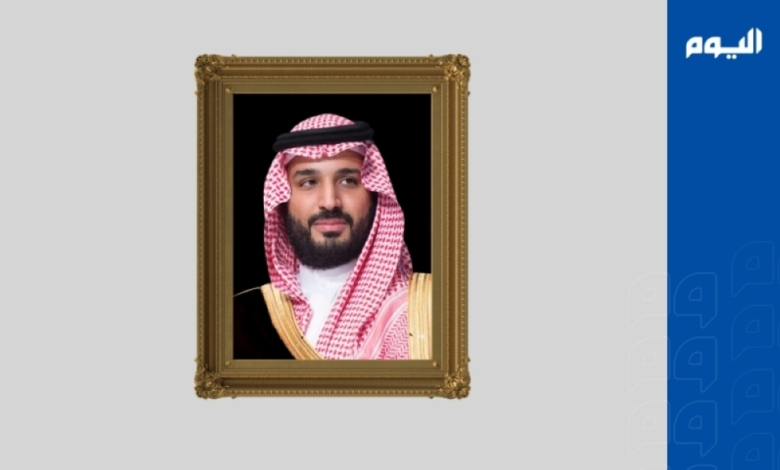
His Royal Highness Prince Mohammed bin Salman bin Abdulaziz Al Saud, Crown Prince and Prime Minister, received a telephone call from the British Prime Minister, Keir Starmer, during which they discussed the strong bilateral relations between the two friendly countries and reviewed developments in regional and international affairs of common interest.
British contact and support details
During the call, the British Prime Minister expressed his country's strong condemnation of the Iranian attacks and threats targeting Saudi Arabian territory, affirming the United Kingdom's unwavering support for the Kingdom's security and stability. Starmer emphasized that Britain stands shoulder to shoulder with the Kingdom in confronting any aggression against its sovereignty or territorial integrity, noting that the Kingdom's security is an integral part of regional and global security and stability.
The depth of strategic relations between Riyadh and London
This call underscores the depth of the historic strategic partnership between Riyadh and London, a partnership that spans decades of cooperation in the political, security, and economic spheres. The British Prime Minister's remarks reflect the new UK government's commitment to further strengthening these ties, particularly in light of the security challenges facing the Middle East. The United Kingdom is a key partner for the Kingdom in defense and counterterrorism efforts, making this ongoing coordination essential for ensuring regional stability.
The importance of international solidarity in confronting threats
This British affirmation is particularly significant at this time, as the region experiences heightened tensions that necessitate concerted international efforts to deter any hostile actions that could destabilize regional security. The international solidarity the Kingdom enjoys reflects its political weight and pivotal role as a stabilizing force in the Middle East, as well as its leading role in protecting global energy supplies and vital waterways.
Continued Saudi diplomatic efforts
This contact is part of a series of intensive diplomatic efforts led by His Royal Highness the Crown Prince to enhance coordination with influential international powers, with the aim of de-escalating tensions in the region and sparing it the ravages of conflict. His Royal Highness the Crown Prince expressed his appreciation for the British position, emphasizing the Kingdom's commitment to working jointly with the international community to consolidate the foundations of security and peace.