Hajj bids farewell to summer for 25 years | Meteorology predicts moderate seasons

The National Center for Meteorology in Saudi Arabia announced good news for millions of Muslims worldwide, confirming that the Hajj season will enter a new, more moderate climatic cycle and will not coincide with the intense summer heat for the next 25 years. This statement was made by the center's official spokesperson, Hussein Al-Qahtani, who explained that this new climatic cycle will begin this year.
Why does the timing of Hajj change seasonally?
The timing of the Hajj season is based on the Islamic lunar calendar, the Hijri calendar, which consists of 12 months in a year of approximately 354 days. This system makes it about 11 days shorter than the Gregorian solar calendar. As a result of this difference, Islamic events, including the Hajj, advance by roughly the same amount each year, thus passing through all four seasons in a cycle of about 33 years. This seasonal shift is a natural astronomical phenomenon, and in the last decade it has resulted in the Hajj coinciding with the intense summer months in Mecca.
A new climate cycle: spring, winter, and autumn
According to Al-Qahtani, this year's Hajj season marks the end of its alignment with spring and the beginning of a new cycle, moving away from the summer heat. He explained that future seasons will be distributed as follows: eight years in spring, followed by eight years in winter, and then eight years in autumn. After this cycle, which lasts approximately 24-25 years, is completed, the Hajj season will once again coincide with summer. This shift presents an opportunity to improve the pilgrims' experience and alleviate the physical and health burdens they face.
The importance of climate change for pilgrims
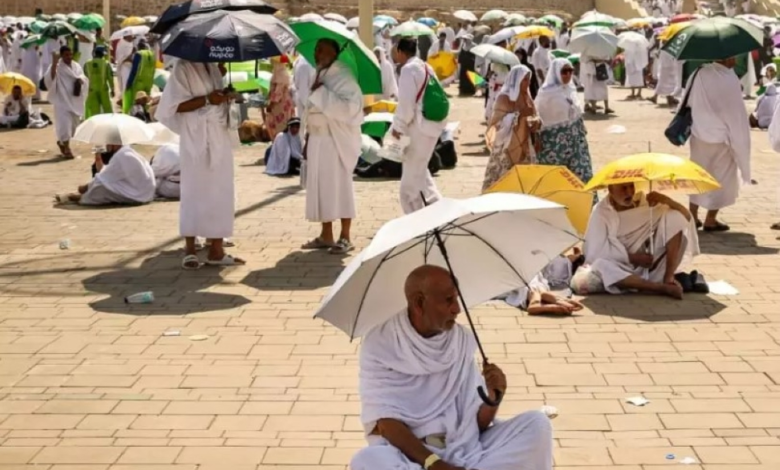
This climate change is of paramount importance, both from a humanitarian and logistical perspective. In previous years, performing the Hajj rituals in record-breaking temperatures posed a significant challenge for pilgrims, especially the elderly and those with chronic illnesses, leading to increased cases of heat exhaustion and sunstroke. As the season shifts to more moderate temperatures, a substantial decrease in heat-related health risks is expected. This will also alleviate the pressure on medical and service personnel who work around the clock to ensure the safety and comfort of the pilgrims, thereby enhancing the quality of services provided and raising the overall level of public safety in the holy sites.
Continuous readiness and field coordination
Al-Qahtani affirmed that the National Center for Meteorology, in coordination with all relevant Hajj authorities, begins its preparations early by holding coordination workshops to review expected weather patterns. Despite forecasts of more moderate weather, readiness remains at its highest level to deal with any potential weather phenomena. He noted that 2024 saw record-breaking temperatures in Mecca, reaching 52 degrees Celsius, underscoring the importance of constant preparedness and advance planning to ensure a safe and comfortable environment for pilgrims during their spiritual journey.