اعتماد جهات التفتيش 3 سنوات لكود البناء السعودي.. و10 ملايين تأمينًا للمشروعات عالية المخاطر

أقرت وزارة البلديات والإسكان تعديلات جديدة على لائحة المتطلبات العامة لتعيين جهات التفتيش والمفتشين لأعمال كود البناء السعودي، بهدف رفع كفاءة منظومة الرقابة على قطاع البناء والتشييد، وتعزيز جودة الامتثال الفني والهندسي، بما يسهم في تحسين مستويات السلامة، ورفع جودة المباني، وضمان تطبيق اشتراطات الكود السعودي على امتداد مراحل البناء والتشغيل.
وبحسب التعديلات المعتمدة، ألزمت الوزارة جميع المباني بالخضوع لعمليات تفتيش واختبارات خلال مرحلة التشييد، وفقاً للمتطلبات المحددة في كود البناء السعودي، كما نصت اللائحة على ضرورة استمرار عمليات التفتيش خلال مرحلة تشغيل المبنى، بما يضمن استدامة الالتزام بالاشتراطات الفنية والهندسية المعتمدة.
وأوضحت اللائحة أن مسؤولية التعاقد مع جهات التفتيش المعتمدة تقع على عاتق المالك أو وكيله المعتمد، على أن يكون ذلك بعيداً عن المقاول المنفذ، بما يعزز استقلالية جهة التفتيش ويضمن نزاهة التقييم الفني للمشروع.
ومنحت التعديلات الهيئة المختصة صلاحية قبول الجهات الراغبة في العمل ضمن منظومة التفتيش الخاصة بالكود، سواء في مجال واحد أو عدة مجالات، على أن تتولى الجهات الحكومية ذات العلاقة مهمة تعيين تلك الجهات وفق نطاق الاختصاص المحدد لكل جهة.
وأتاحت اللائحة للمكاتب والشركات الهندسية المرخصة من الهيئة السعودية للمهندسين التقدم بطلبات القبول للعمل كجهات تفتيش، ما يوسع قاعدة الجهات المؤهلة ويعزز المنافسة المهنية في السوق.
وفي جانب الشفافية، ألزمت التعديلات الجهات الحكومية بنشر جميع اشتراطاتها وآليات تقديم خدماتها إلكترونياً، إلى جانب الإعلان عن بيانات التواصل الخاصة بجهات التفتيش المقبولة أو المعينة، بما يسهل وصول المستفيدين إلى هذه الخدمات.
وأكدت اللائحة أن حصول جهات التفتيش على اعتماد رسمي من المركز السعودي للاعتماد بات شرطاً أساسياً للقبول، مع تصنيف تلك الجهات إلى أربع فئات رئيسية وفقاً لمعايير محددة تشمل القدرات الفنية والإدارية والتشغيلية.
شددت الوزارة على ضرورة التزام جميع جهات التفتيش بإثبات تأهيل المفتشين العاملين لديها وفق المعايير المحددة في اللائحة، مع ضمان استمرارية التأهيل والتطوير المهني، إلى جانب الالتزام بأي متطلبات إضافية يصدرها المركز السعودي للاعتماد.
وتضمنت التعديلات إلزام جهات التفتيش بتوفير تغطية تأمينية ضد المسؤولية المهنية والعامة، بما يغطي الحوادث والمخاطر المحتملة خلال فترة ممارسة النشاط، على أن تظل وثائق التأمين سارية طوال مدة القبول.

التزامات مهنية صارمة ومنع تضارب المصالح
وألزمت اللائحة الجديدة كل جهة تفتيش بتعيين مدير أو رئيس متفرغ، إضافة إلى عدد من المدراء الفنيين المؤهلين حسب حجم الأعمال، مع اشتراط الإشراف المباشر على جميع عمليات التفتيش.
ومنعت اللائحة المديرين الفنيين والرؤساء التنفيذيين لجهات التفتيش من العمل مع أي جهة أخرى تقدم خدمات مماثلة، في خطوة تهدف إلى منع تضارب المصالح وتعزيز استقلالية القرار الفني.
ومنحت التعديلات الجهات المختصة صلاحية تنفيذ عمليات مراجعة وتدقيق على أعمال جهات التفتيش والمفتشين في أي وقت، بما يشمل مراجعة السجلات، وتقييم الأداء، وفحص آليات التوثيق، إضافة إلى فتح مراجعات خاصة عند تلقي الشكاوى أو البلاغات.
ونصت اللائحة على أن مدة اعتماد جهات التفتيش ستكون ثلاث سنوات تبدأ من تاريخ إصدار أو تجديد شهادة الاعتماد، مع إمكانية التجديد لثلاث سنوات إضافية عند التقدم بطلب قبل 90 يوماً من انتهاء المدة، بشرط إثبات استمرار استيفاء جميع المتطلبات النظامية.
أكدت أن عدم التقدم بطلب التجديد خلال عام من انتهاء القبول يؤدي تلقائياً إلى إلغاء الاعتماد، ويلزم الجهة بإعادة التقديم من جديد وفق كامل الاشتراطات.
وألزمت الوزارة المفتشين وجهات التفتيش بتحمل المسؤولية الكاملة عن أعمالهم وفقاً لما ينص عليه كود البناء السعودي، مع ضرورة الالتزام بالمعايير الفنية والمواصفات المرجعية ومصفوفة المخاطر الخاصة بأعمال التفتيش.
كما شددت على حظر أي نشاط قد يؤثر على حياد المفتش أو نزاهة جهة التفتيش، بما في ذلك امتلاك مصالح مالية أو ارتباطات مباشرة أو غير مباشرة بالمشروعات التي تخضع للتفتيش.
ويعد هذا البند من أبرز البنود التنظيمية التي تستهدف تعزيز استقلالية المفتشين ورفع موثوقية تقاريرهم الفنية.

فحص وثائق البناء قبل التنفيذ
وأوجبت التعديلات على المفتشين مراجعة جميع وثائق البناء المعتمدة قبل بدء عمليات التفتيش، والتأكد من كفايتها وصلاحيتها، ومطابقتها لما اعتمده المصمم الهندسي للمشروع.
يتحمل المفتش مسؤولية التحقق من أن الأعمال المنفذة على أرض الواقع تتوافق بشكل كامل مع المخططات المعتمدة ومتطلبات الكود والمواصفات الفنية.
وفي إطار تعزيز التوثيق والحوكمة، ألزمت اللائحة جهات التفتيش بالاحتفاظ بسجلات مفصلة لكل مشروع لمدة لا تقل عن عشر سنوات، على أن تشمل نتائج الاختبارات، والسجلات الميدانية، والتقارير المختبرية، والملاحظات الفنية، وأوجه القصور، وتواريخ المعالجة، إضافة إلى الصور التوثيقية.
ألزمت التعديلات مشرف التفتيش أو المفتش الرئيس بمراجعة جميع التقارير اليومية والأسبوعية والنهائية للتأكد من مطابقتها للمخططات المعتمدة ومتطلبات العمل، وتوثيق هذه المراجعات بشكل رسمي ضمن سجلات المشروع.
أصبح مشرف التفتيش أو المفتش الرئيس مسؤولاً بشكل مباشر عن اعتماد جميع الأعمال الفنية التي تنفذها جهة التفتيش، من خلال التوقيع والختم الرسمي على الطلبات والإجراءات والتقارير المرتبطة بالمشروع، بما يمنح التقارير الصادرة صفة رسمية ويحدد المسؤولية المهنية بشكل واضح.
وألزمت التعديلات مدير جهة التفتيش بإشعار جهة التعيين خلال مدة لا تتجاوز عشرة أيام من تاريخ الانتهاء من أي عملية تفتيش بصورة مرضية، وذلك باستخدام النماذج والإجراءات المعتمدة ضمن قائمة تحقق المفتشين والفاحصين في كود البناء السعودي.
ويعزز هذا الشرط الرقابة الزمنية على أداء الجهات، ويمنع تأخير رفع النتائج أو تعطيل استكمال الدورة التنظيمية للمشروع.
تعاون كامل مع التحقيقات الحكومية
وفي إطار رفع مستوى الشفافية، نصت اللائحة على إلزام جميع المفتشين وجهات التفتيش بالتعاون الكامل مع أي تحقيقات أو مراجعات تنفذها الجهات الحكومية المختصة أو الجهات الرقابية الأخرى، سواء داخل مواقع المشاريع أو في منشآت التصنيع المرتبطة بها.
وشددت على ضرورة تقديم معلومات دقيقة وسريعة وكاملة بشأن جميع الأعمال الخاضعة للتفتيش، بما يجعل التعاون الرقابي جزءاً أصيلاً من التزامات الجهة المعتمدة.
ومن أبرز الضوابط الجديدة، منع أي جهة تفتيش أو مفتش من تنفيذ أعمال لا تقع ضمن نطاق الفئة أو المجال المعتمد له، أو قبل استيفاء جميع شروط القبول المنصوص عليها في اللائحة والكود.

ولم تكتفِ الوزارة بضبط الجانب البشري والتنظيمي، بل امتدت الاشتراطات إلى البنية الفنية لجهات التفتيش، إذ ألزمت كل جهة بامتلاك الأدوات والمعدات اللازمة لتنفيذ أعمالها، مع ضرورة صيانتها ومعايرتها بشكل دوري وفق الأنظمة والمعايير الفنية المعتمدة.
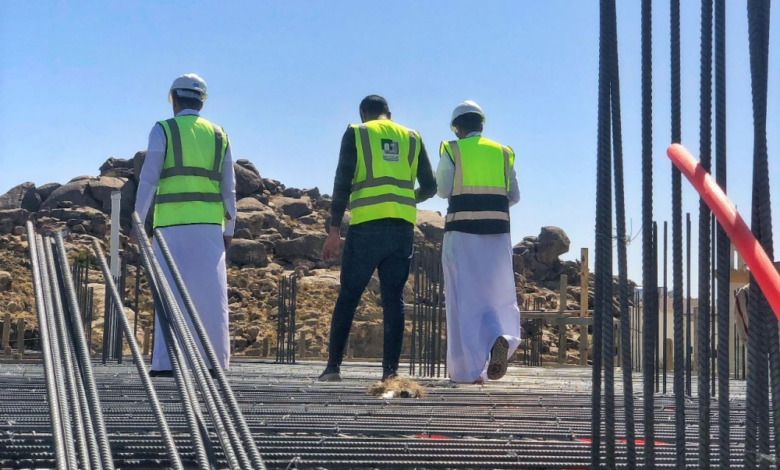
وفي جانب الإنفاذ، منحت اللائحة جهات التفتيش دوراً مباشراً في رصد المخالفات أثناء تنفيذ المشاريع، وإبلاغ المكتب الهندسي المشرف أو المقاول لتصحيحها خلال مدة يتم الاتفاق عليها.
وفي حال عدم معالجة المخالفة خلال المهلة المحددة، تُحال تلقائياً إلى لجنة النظر المختصة لاتخاذ الإجراءات النظامية وفق نظام تطبيق كود البناء السعودي ولائحته التنفيذية.
أما المخالفات المصنفة «خطرة»، فقد شددت اللائحة على إحالتها بشكل فوري إلى اللجنة المختصة بالتوازي مع طلب المعالجة، في خطوة تؤكد أولوية السلامة العامة على أي اعتبارات تشغيلية.
وحددت الوزارة منصة “بلدي” كقناة رسمية لاستقبال الشكاوى ضد جهات التفتيش، حيث يتم رفع التذكرة إلكترونيا وتحويلها مباشرة إلى جهة الاختصاص للنظر فيها.
ويعزز هذا الإجراء سهولة الوصول إلى آليات التظلم، ويدعم مبدأ الشفافية والمساءلة أمام المستفيدين.
نصت التعديلات على منح المركز المختص حق تفسير مواد اللائحة، بما يضمن توحيد الفهم والتطبيق بين جميع الأطراف، ويمنع تضارب الاجتهادات في التنفيذ.
وأوضحت أن تعديل اللائحة مستقبلاً لن يتم إلا بالآلية النظامية نفسها التي صدرت بها، ما يمنحها قوة تنظيمية واستقراراً تشريعياً.
وفي تحول تنظيمي مهم، وضعت الوزارة مصفوفة تصنيف جديدة لجهات التفتيش تقوم على عشرة معايير ثابتة، تشمل تصنيف الهيئة السعودية للمهندسين، والتخصص العام، ومجال مزاولة المهنة، وعدد المفتشين المؤهلين، ومستوى مخاطر الإشغال، ونوع المبنى، وارتفاعه، ومساحته، وقيمته المالية، إضافة إلى الحد الأدنى للتغطية التأمينية.
خمس فئات متدرجة
الفئة الأولى خُصصت للمشروعات الكبرى وعالية المخاطر مثل الأبراج والمنشآت الضخمة التي تتجاوز ارتفاع 23 متراً، مع اشتراط وجود مستشارين ومحترفين ذوي خبرة مرتفعة وحد أدنى للتأمين يبلغ 10 ملايين ريال.
أما الفئة الثانية فتغطي مشروعات مشابهة من حيث طبيعة المخاطر ولكن ضمن نطاق مالي ومساحي أقل، مع حد أدنى للتأمين يبلغ 5 ملايين ريال.
وتستهدف الفئتان الثالثة والرابعة المباني متوسطة المخاطر، مثل المباني التعليمية والتجارية والصناعية المتوسطة، مع تخفيض الاشتراطات المالية والفنية بما يتناسب مع حجم المشروع.
في حين خُصصت الفئة الخامسة للمشروعات الصغيرة منخفضة المخاطر، وعلى رأسها المباني السكنية التي لا تتجاوز ثلاثة طوابق، مع حد تأميني يبدأ من نصف مليون ريال.