
Introduction to the global supply chain crisis
The United Nations World Food Programme (WFP) has issued a stark warning about to global supply chains , the largest since the COVID-19 pandemic and the outbreak of war in Ukraine. This escalating crisis is a direct result of geopolitical tensions and armed conflicts in the Middle East, which have severely impacted maritime transport and international trade.
Historical context and strategic importance of the region
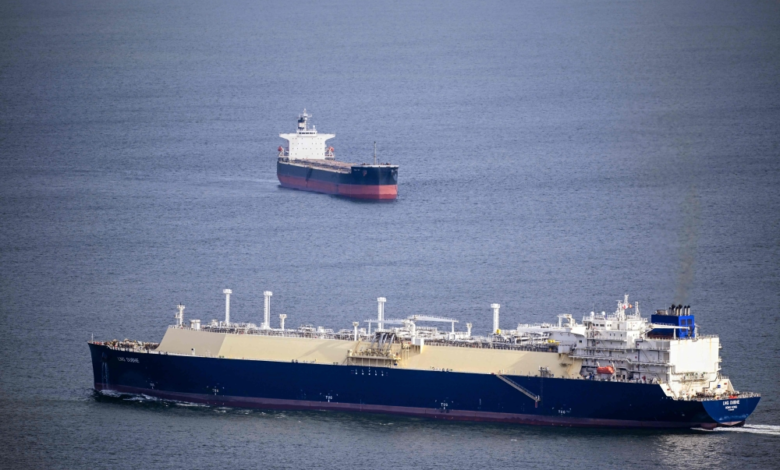
Historically, the Middle East has been a vital artery of global trade, home to indispensable strategic waterways such as the Suez Canal, the Bab el-Mandeb Strait, and the Strait of Hormuz. With the recent escalation of regional conflicts, these waterways have become increasingly dangerous, forcing major shipping companies to alter their usual routes. This radical shift in shipping patterns has brought to mind the severe supply chain disruptions experienced during the peak of the COVID-19 pandemic, when trade was paralyzed and goods piled up in ports, threatening a new wave of global inflation.
The repercussions of the crisis on maritime transport and shipping costs
During a press conference in Geneva, Corinne Fleischer, the World Food Programme's supply chain manager, explained that the disruptions have affected approximately 70,000 tons of vital food aid. She noted that a significant portion of this aid remains on board ships at sea, while the remainder is trapped in containers stranded in overcrowded ports lacking capacity. Although the WFP does not directly rely on the Strait of Hormuz for its shipments, the entire global logistics network is experiencing interconnected paralysis and disruption.
The fact that most shipping companies avoided the Suez Canal and opted instead for the longer Cape of Good Hope route has increased voyage times by an average of 25 to 30 days. This forced change of route has resulted in a dramatic increase in transport costs of between 15 and 25 percent. The crisis was not limited to maritime transport; it extended to land transport as well. For example, to deliver food from Pakistan to Afghanistan, the program was forced to take an alternative overland route through the Middle East and Central Asia, adding a hefty cost of approximately €1,000 per ton and causing delays of up to three weeks.
Economic impact and worsening food security crisis
At the local and regional levels, this crisis has had a sharp and direct impact on domestic transportation costs in several countries already struggling with economic difficulties. Transportation fares have risen significantly by 45 percent in Lebanon, while in Afghanistan, the original cost has tripled. These increases are placing immense pressure on fragile economies and exacerbating the daily hardships faced by citizens.
In this critical humanitarian context, Fleischer emphasized that the organization's real concern is not the rising fuel prices for ordinary consumers, but rather the plight of the poorest segments of the population—those who are forced to allocate up to 70 percent of their meager income simply to purchasing basic food. The World Food Programme is sounding a dire alarm, warning that an additional 45 million people could slip into food insecurity by next June, joining the ranks of the 318 million already facing this devastating crisis.
A call for urgent international action
In conclusion, international humanitarian organizations face an unprecedented logistical and financial challenge. Humanitarian needs are steadily increasing while operational costs are skyrocketing, and there is a real risk of being unable to reach populations trapped in crises. This complex situation necessitates concerted international efforts to ensure the stability of supply chains, secure trade routes, and protect millions of lives from the looming threat of famine.