
زلزال قوي يضرب شمال باكستان
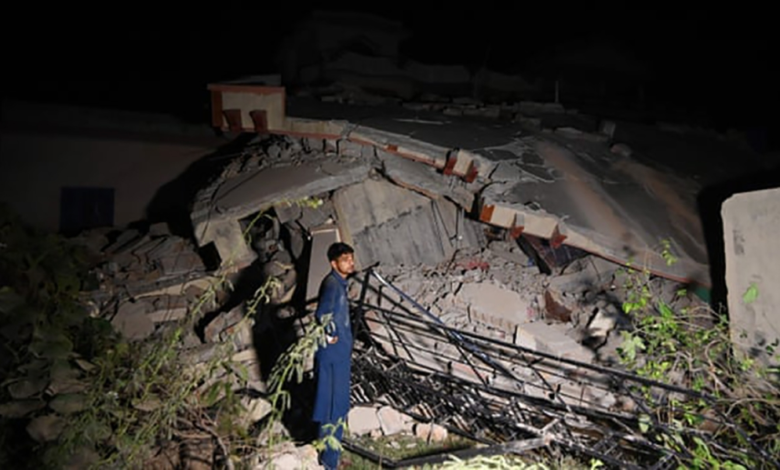
ضرب زلزال قوي بلغت شدته 6.3 درجات على مقياس ريختر المناطق الشمالية من باكستان، مما أثار حالة من القلق والترقب بين السكان في عدة أقاليم. وتأتي هذه الهزة الأرضية لتسلط الضوء مجدداً على النشاط الزلزالي المستمر الذي تشهده هذه المنطقة الجغرافية الحيوية.
تفاصيل الهزة الأرضية وموقعها
وفقاً للبيانات الرسمية الصادرة عن المركز الوطني لرصد الزلازل في باكستان، فإن مركز الزلزال وقع في سلسلة جبال هندوكوش، وهي منطقة جبلية وعرة وذات نشاط تكتوني كثيف تمتد بين أفغانستان وباكستان. وقد تم تسجيل بؤرة الزلزال على عمق يبلغ نحو 190 كيلومتراً تحت سطح الأرض. هذا العمق الكبير نسبياً ساهم بشكل ملحوظ في امتصاص جزء من الطاقة الزلزالية وتقليل حجم الأضرار السطحية المباشرة، إلا أنه في الوقت ذاته أدى إلى اتساع الرقعة الجغرافية التي شعرت بالارتجاجات.
المناطق المتأثرة وحالة الطوارئ
امتدت تأثيرات الهزة الأرضية لتشمل مناطق واسعة ومكتظة بالسكان، حيث شعر بها بوضوح سكان إقليم خيبر بختونخوا، وإقليم البنجاب، بالإضافة إلى العاصمة الباكستانية إسلام آباد. وعادة ما تدفع مثل هذه الهزات القوية السكان إلى إخلاء المباني السكنية والتجارية واللجوء إلى الشوارع والساحات المفتوحة خوفاً من توابع زلزالية أو انهيارات محتملة. وحتى اللحظة، لم ترد أي تقارير رسمية فورية عن وقوع خسائر بشرية أو أضرار مادية جسيمة جراء هذا الزلزال، وتستمر السلطات المحلية وفرق الإنقاذ في تقييم الوضع الميداني لضمان سلامة المواطنين.
السياق الجيولوجي والتاريخي للزلازل في باكستان
من الناحية الجيولوجية، تقع باكستان في منطقة نشطة زلزالياً بامتياز، حيث تتلاقى الصفيحة التكتونية الهندية مع الصفيحة الأوراسية. هذا التفاعل التكتوني المستمر والضغط المتولد عنه يجعل من سلسلة جبال هندوكوش والمناطق المحيطة بها بؤرة متكررة للزلازل العميقة والمتوسطة. ولا يمكن الحديث عن الزلازل في باكستان دون استحضار الذاكرة التاريخية الأليمة لزلزال كشمير المدمر الذي وقع في أكتوبر من عام 2005، والذي بلغت قوته 7.6 درجات، وأسفر عن خسائر بشرية ومادية فادحة أودت بحياة عشرات الآلاف. هذا التاريخ المأساوي يجعل من أي نشاط زلزالي جديد مصدر قلق بالغ للسلطات والمواطنين على حد سواء، ويدفع نحو رفع درجات التأهب.
التأثيرات الإقليمية والدولية
على الصعيد الإقليمي، غالباً ما تتجاوز تأثيرات الزلازل التي تضرب منطقة هندوكوش الحدود الباكستانية، لتشعر بها الدول المجاورة مثل أفغانستان والأجزاء الشمالية من الهند، بما في ذلك العاصمة نيودلهي. دولياً، تتابع المراكز العالمية لرصد الزلازل، مثل هيئة المسح الجيولوجي الأمريكية (USGS)، هذه الأحداث بدقة لتحديث قواعد البيانات الجيولوجية العالمية وتقديم التحذيرات المبكرة. كما تسلط هذه الأحداث الضوء على الأهمية القصوى لتطبيق معايير بناء صارمة ومقاومة للزلازل في الدول النامية. وتعمل الحكومة الباكستانية بالتعاون مع الهيئات الدولية لتعزيز قدرات الاستجابة السريعة وتطوير البنية التحتية لتكون أكثر مرونة في مواجهة الكوارث الطبيعية، حيث تعد التوعية المجتمعية بكيفية التصرف أثناء وبعد الزلازل ركيزة أساسية في تقليل الخسائر وحماية الأرواح.