Developments in the Iranian-Israeli escalation: Isfahan attack and Negev explosion

The Middle East is witnessing a dangerous escalation in the pace of events on the ground, with developments accelerating within the context of the ongoing Iranian-Israeli confrontation. In the latest episode of this series of direct clashes, Iranian official sources announced an airstrike on an academic facility, coinciding with explosions in sensitive industrial areas within the occupied Palestinian territories, signaling a potential expansion of the regional conflict.
Details of the attack on Isfahan University in Iran
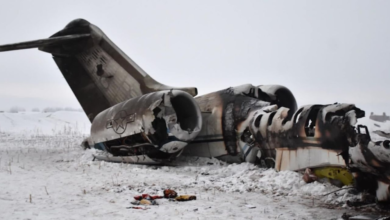
Isfahan University of Technology, located in central Iran, announced that it had been the target of a "brutal" airstrike. According to a statement issued by the university and carried by the Fars News Agency, the attack occurred at 2:00 PM local time (10:30 GMT). Tehran accused the US-Israeli alliance of being behind the strike, noting that it was the second time the facility had been targeted since the outbreak of the recent war about a month ago.
Initial reports indicated that the attack targeted one of the university's research institutes, resulting in material damage to several adjacent buildings, in addition to minor injuries sustained by four members of the university staff.
The strategic importance of the city of Isfahan
The city of Isfahan holds immense importance in both the Iranian military and nuclear contexts. It not only houses advanced academic and research institutions but also serves as a stronghold for numerous sensitive facilities, including military bases and research centers linked to aviation and space programs, in addition to its proximity to key nuclear facilities such as the Natanz facility. This historical and geographical context makes any attack on the city a highly significant security and military message, reflecting a shift in the "shadow war" between Tehran and Tel Aviv to a phase of direct targeting of scientific and research capabilities.
Rocket barrage and explosion in the Negev
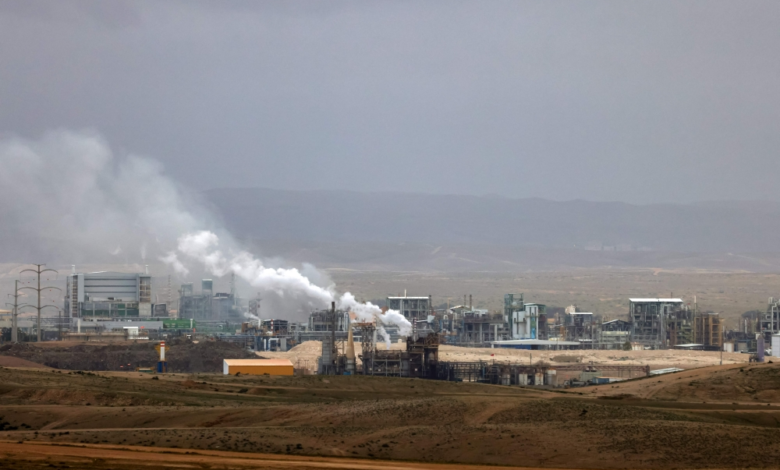
On the other side of the conflict, and amid the exchange of fire, the Israeli army announced a large explosion in the Ramat Hovav industrial zone in the Negev desert, south of the occupied territories. Israeli military assessments suggested the explosion was caused by falling missile debris, following the detection of a new missile launch from Iranian territory.
Israeli media broadcast footage showing thick plumes of black smoke rising above the targeted industrial zone, known for its chemical plants and heavy industrial infrastructure. In a related development, the Israeli police issued a statement indicating that the fire at the site appeared to have been caused by falling ammunition or debris from a missile interception. The police confirmed that searches were ongoing to locate any additional explosive materials and to ensure the safety of residents in the area.
Regional and international repercussions of the escalation
This dual escalation carries serious implications for the stability of the region. Domestically, it increases the state of security alert and puts added pressure on the internal fronts of both countries. Regionally, it puts neighboring states on high alert in anticipation of any deviation in the trajectories of missiles or drones. Internationally, the continued exchange of strikes raises serious concerns within the international community regarding the security of maritime navigation and global energy supplies, amidst repeated calls from major powers for restraint and to avoid sliding into a full-blown regional war.