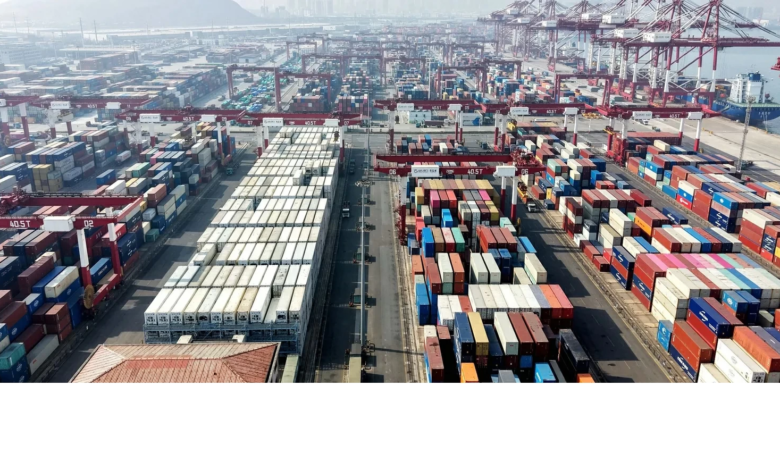

In a strategic move aimed at deepening economic ties with the African continent, China announced a broad tariff-free policy covering the vast majority of African countries. Under this policy, which has now taken effect, products imported from these countries will have access to the massive Chinese market duty-free, providing a significant boost to the continent's exports. However, this privilege does not extend to the Kingdom of Eswatini, which remains the only African country excluded due to its formal diplomatic relations with Taiwan, reflecting Beijing's strict adherence to the "One China" principle.
Historical context: The culmination of decades of cooperation
This decision is not a random occurrence, but rather represents a new chapter in a long series of Chinese economic initiatives toward Africa. Since the establishment of the Forum on China-Africa Cooperation (FOCAC) in 2000, Beijing has systematically worked to build robust economic partnerships with countries across the continent. This relationship has evolved from development aid to massive infrastructure investments under the Belt and Road Initiative (BRI), culminating in increased trade that has made China Africa’s largest trading partner for over a decade. China had previously granted tariff exemptions to 33 African least developed countries, but this new policy expands this scope to include most of the continent’s economies, including major economic powers such as South Africa, Egypt, Nigeria, and Algeria.
Economic importance and expected impact
This tariff exemption is of paramount importance to African economies that rely heavily on exports of agricultural commodities and raw materials. Eliminating tariffs, which previously ranged from 8% to 30% on certain products, will significantly enhance the competitiveness of African goods in the Chinese market. For example, cocoa farmers in Côte d'Ivoire and Ghana, which together produce more than half of the world's output, will directly benefit from this decision. Other products, such as coffee and avocados from Kenya, and citrus fruits and wine from South Africa, will also find easier and more profitable access to Chinese consumers. This move is expected to boost export revenues, support local farmers, and encourage economic diversification across the continent.
Geopolitical dimensions and international competition
Internationally, this move is seen as a diplomatic and economic tool through which China is bolstering its global influence as a leader of the Global South. This decision comes at a time when some Western powers are moving toward protectionist policies, highlighting China as a more open and reliable trading partner for developing countries. The exclusion of Eswatini also sends a clear political message: the economic benefits of partnering with Beijing are contingent upon diplomatic recognition of its foreign policy. Overall, the decision's impact extends beyond trade figures, reshaping the economic and political balance of power on the global stage and underscoring the pivotal role of Sino-African relations in the new world order.