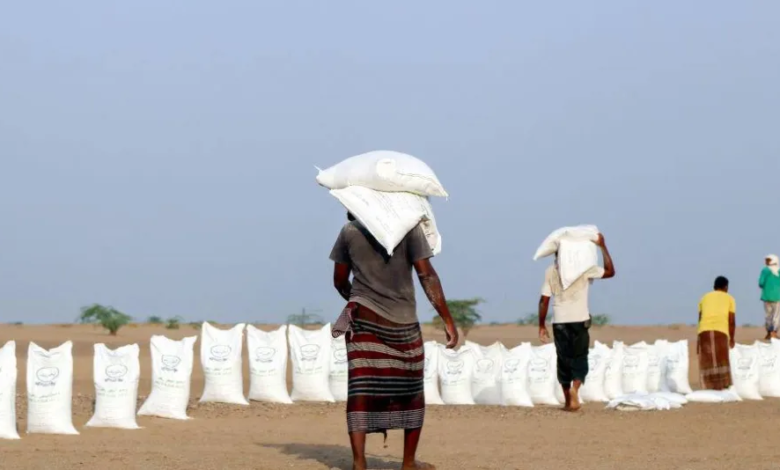

For the year in a row, the United Nations and international aid organizations are sounding the alarm about the catastrophic funding gap facing the humanitarian response plan in Yemen. This severe funding shortfall is not just a number in reports; it is a direct threat to the survival of millions of men, women, and children who depend entirely on aid to survive in what is the world's worst humanitarian crisis.
Background to the crisis: Years of conflict and collapse
The Yemeni crisis did not emerge from a vacuum; it is the product of a devastating conflict that has raged since late 2014, leading to the near-total collapse of the country’s infrastructure and economy. Even before the conflict, Yemen was already the poorest country in the Arab world, but years of war have shattered what remained of state institutions, destroying hospitals, schools, and water networks, and driving the local currency to record lows. This dire reality has left more than two-thirds of the population—over 21 million people—in desperate need of some form of humanitarian assistance and protection.
Dimensions of the disaster: The impact of the funding gap on the ground
The consequences of underfunding are immediate and severe. When response plans go unfunded, humanitarian organizations are forced to make impossible decisions, such as reducing food rations for millions of hungry people, closing health centers that provide life-saving care, and halting clean water and sanitation programs. These cuts directly exacerbate acute malnutrition rates, especially among children, and increase the risk of outbreaks of epidemics like cholera and other deadly, preventable diseases. Every dollar shortfall in funding means a family is deprived of food, a child of treatment, or a community of safe water.
Regional and international significance: A crisis that transcends borders
The Yemeni crisis cannot be viewed as merely a domestic matter. Continued instability in Yemen has serious repercussions for regional security, particularly concerning maritime security in the Bab el-Mandeb Strait, one of the world's most vital waterways. Internationally, the failure to adequately fund the humanitarian response represents a failure of the international community to uphold its humanitarian and moral obligations. Ignoring this crisis not only prolongs the suffering of the Yemeni people but also undermines the principles of international humanitarian law and threatens to destabilize a sensitive and strategic region for the entire world. Investing in humanitarian aid for Yemen is not simply an act of charity; it is an imperative for saving lives and achieving regional and global stability.