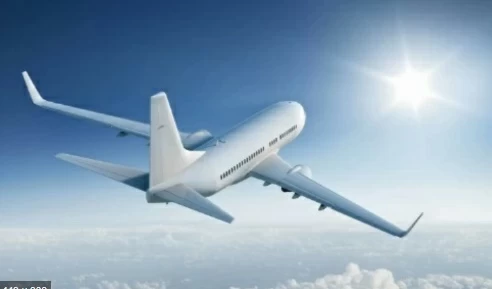

The global aviation sector is facing new challenges that threaten its recovery from the coronavirus pandemic, with major airlines announcing a massive reduction in available seat capacity for booking in May, amounting to approximately two million seats. This decision comes amid growing concerns about the stability of jet fuel supplies and the unprecedented rise in its prices, placing immense operational and financial pressure on companies.
According to recent data from aviation analytics firm Cirium, more than 12,000 scheduled flights have been canceled, with many airlines resorting to alternative strategies to mitigate the financial impact. These strategies include deploying smaller or more fuel-efficient aircraft on critical routes, in an effort to balance meeting increased travel demand with maintaining profitability.
General context: From recovery to a new crisis
This development comes at a critical time for the aviation sector. After two years of strict restrictions imposed by the COVID-19 pandemic, the world was experiencing a surge in travel demand, a phenomenon known as "revenge travel." However, this recovery was hampered by a global geopolitical crisis: the war in Ukraine, which began in late February, and which has led to significant disruption in global energy markets. The cost of jet fuel has more than doubled since the start of the crisis, a devastating blow to airlines, for which fuel accounts for between 20% and 35% of their total operating expenses.
Global impact and actions taken
The crisis was not confined to a specific region; its impact extended to major airlines worldwide. For example, data showed a decrease in the total number of available seats globally during May, from 132 million to 130 million. In the United States, one major American airline reduced its flight network for the second quarter of the year by 3.5% to save fuel. In Europe, one of the hardest-hit German airlines was forced to cancel nearly 20,000 scheduled flights between May and October, citing rising fuel costs as making these flights unprofitable.
Implications for travelers and the economy
This reality translates directly into challenges for travelers, who now face significantly higher airfares, fewer direct flight options, and a greater likelihood of cancellations or schedule changes. On a broader economic level, the slowdown in the aviation sector could hinder the full recovery of other directly linked sectors, such as tourism, hospitality, and international business, which rely heavily on the ease and speed of air travel. Airlines find themselves in a difficult position, trying to balance capitalizing on high travel demand with avoiding financial losses due to high operating costs.