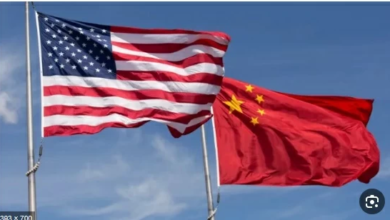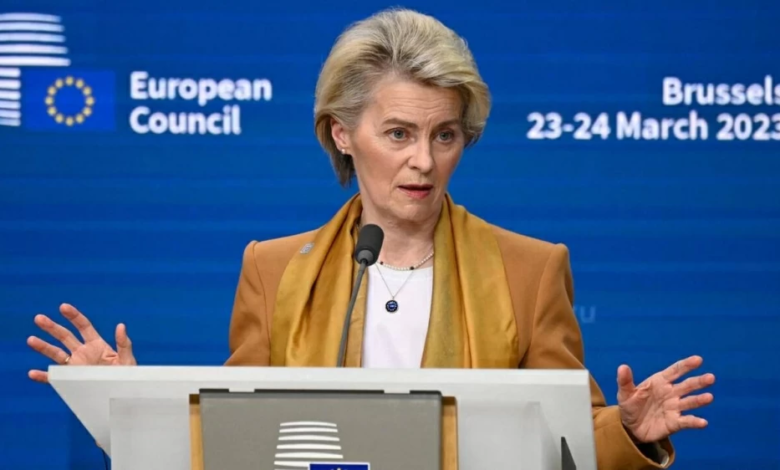

In a move reflecting the depth of transatlantic trade disputes, European Commission President Ursula von der Leyen called on the United States to honor its previously agreed commitments to reduce tariffs. This statement comes at a critical juncture, after former US President Donald Trump again threatened to impose punitive tariffs on European car imports, risking a full-blown trade war between the world's two largest economies.
Historical background of the trade dispute
The roots of the current tension lie in the Trump administration’s “America First” policy, which saw the imposition of tariffs on steel and aluminum imports from the European Union in 2018, citing national security concerns. The EU retaliated with tariffs on popular American goods such as motorcycles and whiskey. In an attempt to defuse the crisis, then-US President Donald Trump and former European Commission President Jean-Claude Juncker reached a “trade truce” in July 2018, agreeing to work toward removing tariffs on non-auto industrial goods and to refrain from imposing any new tariffs while negotiations continued.
Von der Leyen's statements and details of the dispute
Von der Leyen affirmed that the European Union has reached the “final stages of implementing its remaining tariff commitments,” emphasizing that “at the same time, the United States must adhere to the agreed maximum.” She noted that the recent US threats come at a time when a final and comprehensive agreement has not yet been reached. Trump had announced his intention to raise tariffs on cars and trucks imported from the European Union to 25%, accusing the European bloc of failing to comply with a trade agreement that sets US tariffs on most European products at 15%, without providing clear details about the alleged violations.
The importance and potential effects of the conflict
This dispute carries serious economic and political repercussions. Economically, imposing a 25% tariff on European cars would deal a severe blow to the European automotive industry, particularly in Germany, the largest exporter of cars to the US market, potentially leading to slower economic growth and the loss of thousands of jobs. Furthermore, European retaliatory measures would harm vital sectors of the US economy, and American consumers would suffer from higher prices for cars and other goods.
On the international level, a full-blown trade war between Brussels and Washington would destabilize the already uncertain global economy. It would also undermine the foundations of the rules-based global trading system of the World Trade Organization and further erode the historic strategic alliance between Europe and the United States, which has been a cornerstone of the international order for decades.