
France issues a firm denial amid escalating tensions
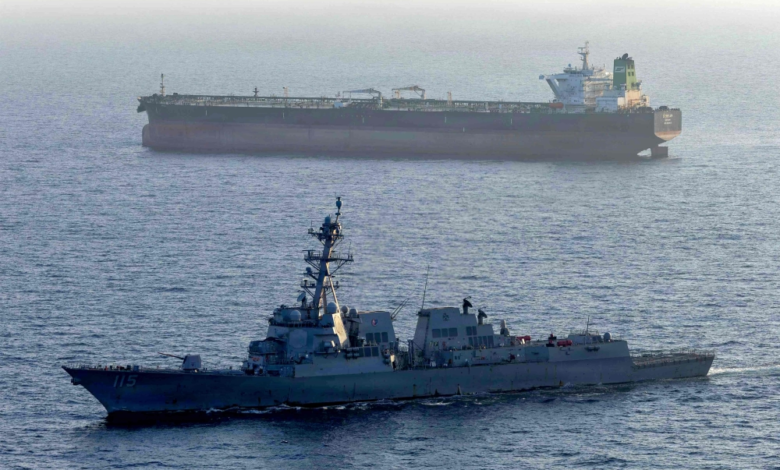
In a statement aimed at easing tensions in one of the world's most sensitive regions, French President Emmanuel Macron categorically denied that Paris had any intention of unilaterally deploying warships to the Strait of Hormuz. During a press conference, Macron clarified that the French military presence in the region falls solely within the framework of a coordinated European mission designed to ensure freedom of navigation and de-escalation, not to provoke any party. This clarification came in response to strongly worded warnings from an Iranian official, who threatened a "decisive and immediate" response should France and Britain send naval vessels to the strategic strait.
Historical context and strategic importance of the Strait of Hormuz
The Strait of Hormuz is a vital artery for the global economy, with nearly one-fifth of the world's daily oil consumption passing through it. This unique geographical location has made it a flashpoint for geopolitical tensions over the decades, particularly between Iran and Western powers led by the United States. These tensions escalated significantly after Washington withdrew from the Iran nuclear deal in 2018 and reimposed crippling economic sanctions on Tehran. In response, Iran has repeatedly threatened to close the strait, and the region has witnessed a series of incidents targeting oil tankers and commercial vessels, prompting international powers to consider mechanisms for protecting this crucial waterway.
The European initiative as a diplomatic alternative
In this tense atmosphere, European countries, led by France, sought to forge a diplomatic path independent of the “maximum pressure” policy pursued by the then-US administration. As a result, the European Maritime Security Mission in the Strait of Hormuz (EMASOH) was launched. This initiative aims to ensure the safety of navigation through monitoring and providing information to commercial vessels, while emphasizing that it is a defensive mission seeking de-escalation, not confrontation. Several European countries participate in this mission, which is headquartered at the French naval base in Abu Dhabi, reflecting France’s commitment to the region’s security and its partnership with the Gulf Cooperation Council (GCC) states.
The impact of the statements on the regional and international landscape
Macron's statements underscore a different European approach, one that balances the need to protect economic interests, namely freedom of navigation, with the desire to avoid a direct military confrontation with Iran. This stance sends a dual message: first, to Tehran, that the European presence is not inherently hostile; and second, to allies, particularly the United States, that Europe is capable of developing its own vision for regional security. Domestically, the Iranian position reflects its insistence on sovereignty over the Strait and its rejection of any foreign military presence, which it considers a threat to its national security, asserting that it is the only power capable of guaranteeing the waterway's security. The situation in the Strait of Hormuz remains precarious, as any miscalculation could ignite a conflict with dire consequences for regional stability and the global economy as a whole.