Car ramming incident in Italy: 8 people injured, driver suffering a mental breakdown

Horrifying details emerge about a hit-and-run incident in Italy
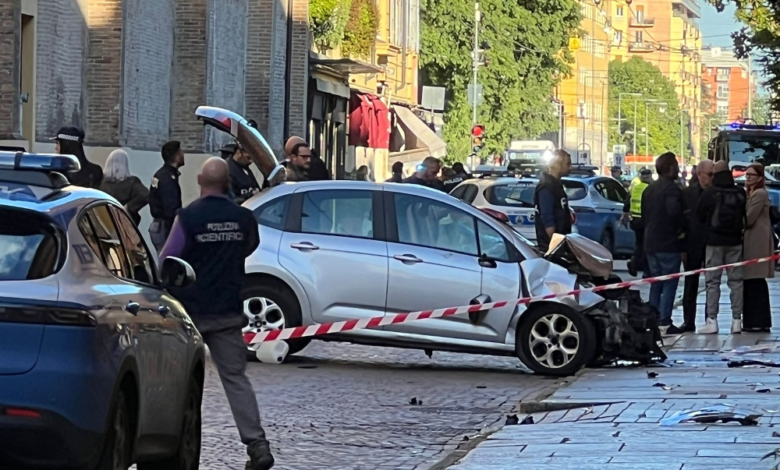
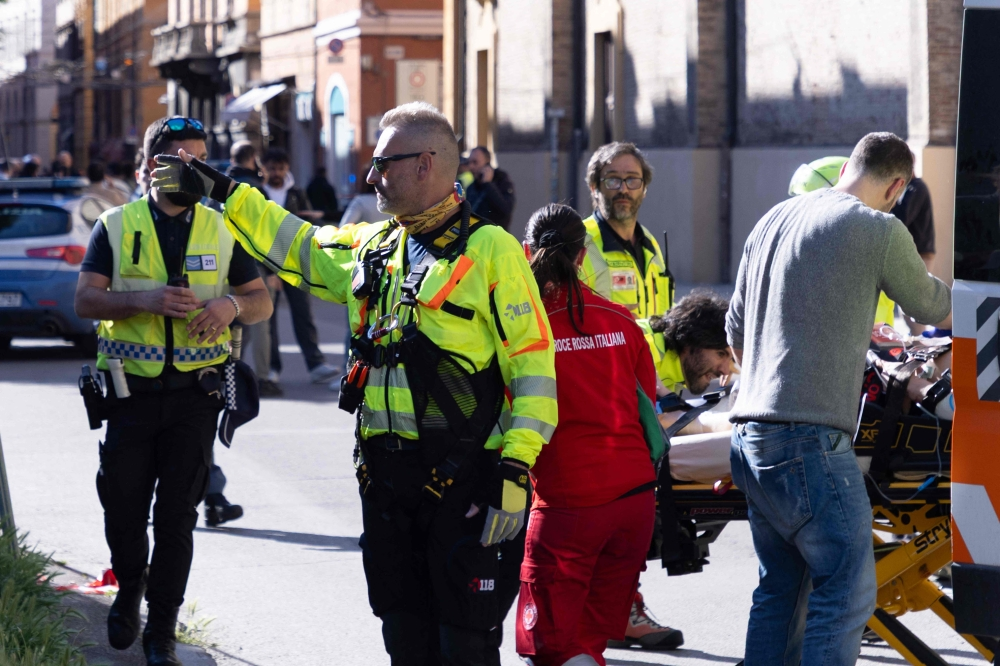
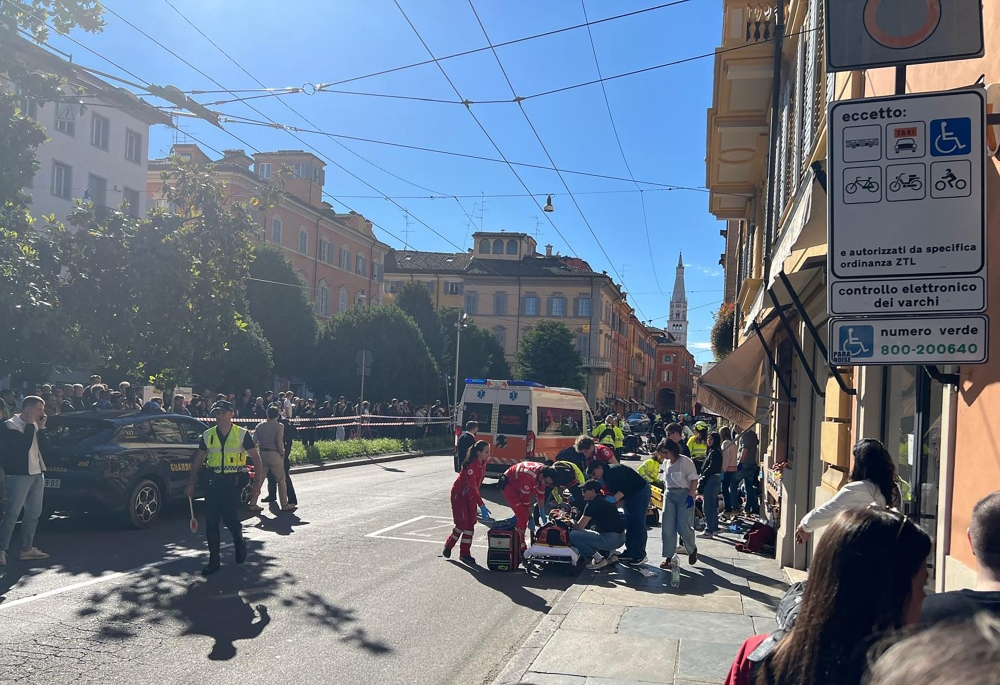
A tragic incident in the northern Italian city of Modena has shocked local and international communities. A driver suffering from mental health issues deliberately plowed into a group of pedestrians and cyclists on a busy street. The attack left eight people with injuries of varying severity, four of whom were in critical condition. One critically injured person required immediate medical intervention, including the amputation of a leg to save his life.
Surveillance camera footage broadcast by Italian media showed terrifying details of the moment a car sped towards pedestrians in a pedestrian zone in the city center, before its horrific journey ended with a violent crash into the storefront of a local shop. This scene underscores the danger that vehicles can pose when they go out of control in busy, densely populated areas.
The driver's background and history with mental illness
At a press conference to clarify the circumstances of the incident, the city's governor, Fabrizia Triolo, revealed important details regarding the perpetrator's identity. The driver is a young Italian man of Moroccan descent, born in 1995, with a university degree in economics. He had no prior criminal record and was not known to the security services, but investigations revealed he had been experiencing a period of severe mental instability since 2022.
Authorities confirmed that the driver had been receiving treatment at a specialized mental health center for schizophrenia. However, the center lost contact with him after a period of initial monitoring, which led to a deterioration in his health and his discontinuation of treatment. Subsequent medical examinations proved that the driver was not under the influence of any drugs or alcohol at the time of the crime, confirming that the primary motive for the incident was closely linked to his deteriorating mental state.
The courage of bystanders and official reactions
One of the most remarkable aspects of this incident was the heroic actions of several citizens. After the car crash, the driver attempted to flee the scene, but four courageous bystanders chased and surrounded him. In a desperate attempt to escape, the perpetrator brandished a knife and injured one of the citizens who tried to stop him, before law enforcement officers were able to subdue and arrest him.
On the political and official level, Italian Prime Minister Giorgia Meloni reacted swiftly to the incident. In a tweet on the platform X (formerly Twitter), she expressed her strong condemnation, describing the incident as “very serious.” Meloni added: “I would also like to express my deep gratitude to the citizens who intervened with exceptional courage to apprehend the perpetrator, as well as to the law enforcement officers for their swift and effective response.”.
Local and international impact of the incident
This incident has implications beyond the local level, as it has emerged that among the eight injured were foreign tourists, one German and one Polish. This underscores the importance of Italian cities as global tourist destinations and increases pressure on authorities to strengthen security measures in crowded tourist areas.
Historically, Europe has witnessed several vehicle ramming incidents in public places over the past decade. While some were motivated by terrorism, the increasing number of incidents linked to mental health disorders has sparked a broader debate about the need to improve mental health care systems. Monitoring patients with serious mental illnesses such as schizophrenia and ensuring they do not drop out of treatment has become a critical security and social challenge in Italy and across Europe, in order to prevent the recurrence of such tragedies that claim lives and destabilize societies.