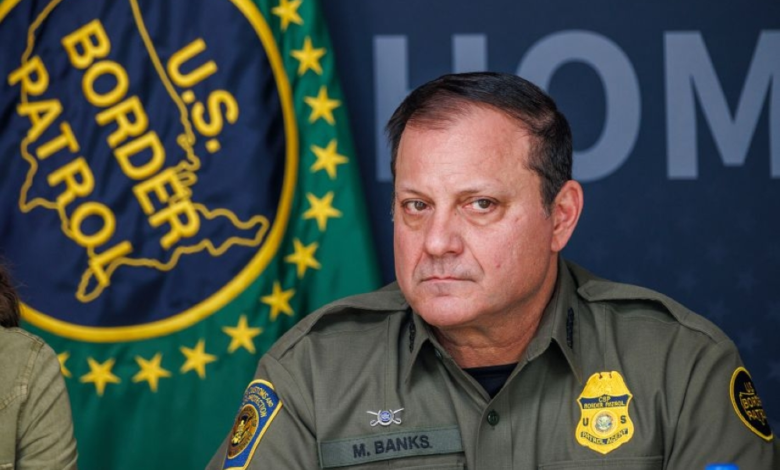

تتصدر استقالة رئيس حرس الحدود الأمريكي، مايكل بانكس، المشهد السياسي والأمني في الولايات المتحدة الأمريكية اليوم الخميس. تأتي هذه الخطوة المفاجئة لتشكل حلقة جديدة ضمن سلسلة من الاستقالات والمغادرات التي تعصف بقطاع إنفاذ قوانين الهجرة، وذلك بالتزامن مع عودة الرئيس الأمريكي دونالد ترامب إلى سدة الرئاسة. إن هذا التغيير القيادي يسلط الضوء على التحولات الجذرية المرتقبة في سياسات الأمن القومي وإدارة الحدود الأمريكية.
لم يكن بانكس الوحيد الذي اتخذ هذا القرار، بل انضم إلى مجموعة متزايدة من مسؤولي إنفاذ قوانين الهجرة الذين فضلوا مغادرة مناصبهم مؤخراً. وفي هذا السياق، أصدر مفوض هيئة الجمارك وحماية الحدود، رودني سكوت، بياناً رسمياً أشاد فيه بجهود بانكس، قائلاً: “نشكر رئيس حرس الحدود الأمريكي مايكل بانكس على خدمته المتفانية للبلاد على مدى عقود طويلة”. وأضاف سكوت مؤكداً على الإرث الذي تركه بانكس: “خلال فترة توليه منصب رئيس حرس الحدود، تحول الوضع على الحدود من حالة الفوضى العارمة إلى الحدود الأكثر أماناً واستقراراً على الإطلاق”.
تميزت فترة قيادة بانكس لحرس الحدود بتوسيع نطاق العمليات لتتجاوز الخطوط الحدودية التقليدية. وبقيادته، انخرط حرس الحدود في عمليات مكثفة لمكافحة الهجرة بعيداً عن الحدود الجغرافية المباشرة، حيث نفذت عناصره عمليات دهم وتفتيش استهدفت المهاجرين غير النظاميين في مدن رئيسية كبرى في مختلف أنحاء البلاد. هذا النهج الصارم يعكس مدى تعقيد أزمة الهجرة وتداخلها مع الأمن الداخلي للمدن الأمريكية.
منع عمليات عبور الحدود وتوجهات الإدارة الجديدة
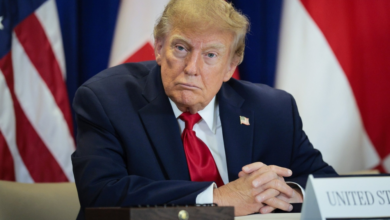
تتزامن هذه التغييرات الإدارية مع تعهدات صارمة أطلقها دونالد ترامب خلال حملته الرئاسية. فقد توعد بمنع عمليات عبور الحدود من المكسيك إلى الولايات المتحدة بشكل قاطع، بالإضافة إلى إطلاق أكبر عملية طرد وترحيل لملايين المهاجرين غير النظاميين في تاريخ البلاد. هذه السياسات المتشددة تهدف إلى إعادة تشكيل الديموغرافيا الأمنية للولايات المتحدة، وتثير في الوقت ذاته نقاشات واسعة حول تأثيراتها الإقليمية، خاصة على العلاقات الثنائية مع المكسيك ودول أمريكا الوسطى التي تعتبر المصدر الأول للمهاجرين.
وفي إطار إعادة هيكلة المؤسسات الأمنية لتتوافق مع رؤيته، أجرى ترامب تعيينات استراتيجية مبكرة. فقد عين في شهر مارس الماضي كريستي نوم كبديل لوزيرة الأمن الداخلي، في خطوة تهدف إلى إحكام السيطرة على الوزارة المعنية بتنفيذ سياسات الهجرة. وإلى جانب ذلك، تم تخفيض رتبة قائد بارز في هيئة الجمارك وحماية الحدود، مما يعكس رغبة الإدارة الجديدة في ضخ دماء جديدة تتوافق تماماً مع أجندتها الصارمة.
ولم تتوقف التغييرات عند حرس الحدود والجمارك، بل امتدت لتشمل وكالة إنفاذ قوانين الهجرة والجمارك (ICE). فقد أعلن المدير بالإنابة لإدارة الهجرة والجمارك، تود ليونز، عن اعتزامه التنحي من منصبه في شهر مايو الحالي. هذه الاستقالات المتتالية تضع الإدارة الأمريكية أمام تحدي إعادة بناء الهيكل القيادي للأجهزة الأمنية الحساسة في وقت قياسي، لضمان تنفيذ الوعود الانتخابية المتعلقة بضبط الحدود وحماية الأمن القومي الأمريكي.
تاريخياً، تعتبر قضية أمن الحدود الأمريكية المكسيكية واحدة من أكثر القضايا تعقيداً واستقطاباً في السياسة الأمريكية. على مدار العقود الماضية، تباينت استراتيجيات الإدارات المتعاقبة بين المقاربات الإنسانية والتشديد الأمني. ومع التطورات العالمية والأزمات الاقتصادية في دول أمريكا اللاتينية، تزايدت موجات اللجوء والهجرة، مما جعل من منصب رئيس حرس الحدود واحداً من أكثر المناصب حساسية وضغطاً. إن التغييرات الحالية لا تؤثر فقط على الداخل الأمريكي، بل ترسل رسائل قوية للمجتمع الدولي حول توجهات واشنطن المستقبلية في التعامل مع ملفات حقوق الإنسان، اللجوء، والتعاون الأمني الإقليمي.