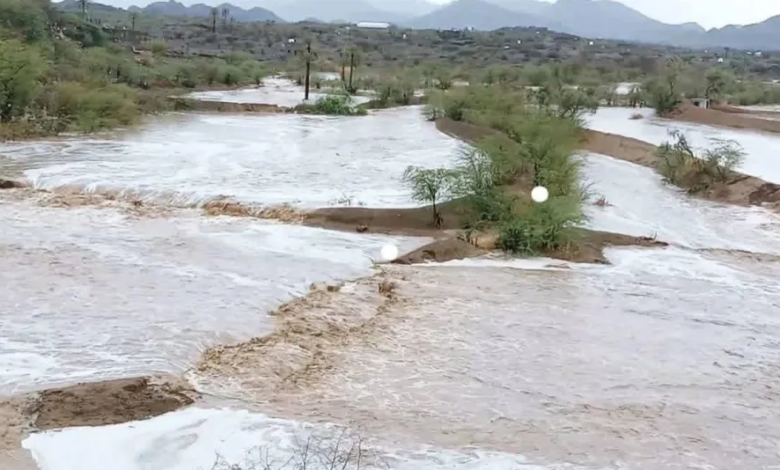

Heavy monsoon rains are hitting Yemen again, but they bring no hope; instead, they unleash a new hell on millions already living on the brink. In a country ravaged by years of war, this natural phenomenon is transforming into a renewed humanitarian catastrophe, exacerbating the already fragile situation and deepening the suffering of a population that has exhausted all means of coping.
Historical context: Crisis upon crisis
To understand the devastating impact of these rains, it's essential to consider the broader context. Since 2014, Yemen has been embroiled in a devastating civil war, resulting in what the United Nations describes as the world's worst humanitarian crisis. The conflict has crippled the economy, destroyed vital infrastructure such as hospitals and water networks, and pushed more than two-thirds of the population to the brink of famine. Millions of internally displaced people live in makeshift camps lacking even the most basic necessities, making them particularly vulnerable when the rains turn into flash floods.
A devastating impact on all levels
The effects of the monsoon rains extend far beyond temporary flooding, leaving deep scars on Yemeni society. Locally, the floods destroy homes and makeshift shelters, causing new waves of displacement and leaving families homeless. They also cut off main roads, isolating entire communities and preventing the delivery of vital humanitarian aid. On the health front, stagnant water becomes a breeding ground for mosquitoes that transmit diseases such as malaria and dengue fever, and increases the risk of cholera outbreaks due to the contamination of drinking water sources in an already collapsing health system.
The importance of the event and its regional and international repercussions
The impact of this disaster is not limited to Yemen; it extends to placing additional strain on international and regional humanitarian organizations. Calls for urgent funding for the emergency response are growing, but the funding gap remains enormous. The recurrence of these disasters underscores the fact that humanitarian aid alone is insufficient. Without a comprehensive political solution that ends the conflict, allows for the reconstruction of infrastructure, and strengthens the community's resilience to climate change, Yemen will remain trapped in a vicious cycle of suffering. What is happening in Yemen is not simply a forgotten crisis; it is a true test of the international community's conscience and its ability to protect civilians in times of war and natural disasters.