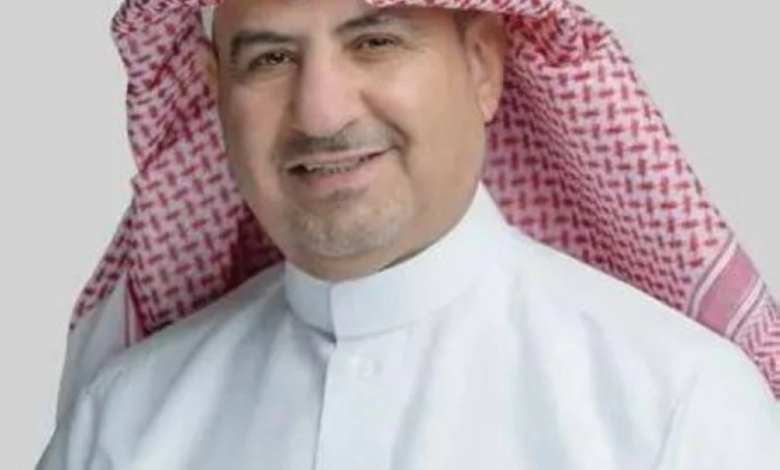

The Deputy Minister of Industry and Mineral Resources for Mining Affairs, Engineer Khalid Al-Mudaifer, confirmed that the Kingdom of Saudi Arabia is on the verge of announcing the implementation steps for launching the "Saudi Metals Exchange," a strategic move aimed at strengthening the Kingdom's position as a global hub for mining industries. This announcement culminates nearly two years of diligent work within an integrated framework that combines the financial and industrial sectors to ensure the development of an efficient and reliable market.
Within the context of the major economic transformations underway in the Kingdom under the umbrella of "Vision 2030," the mining sector is considered the third pillar of Saudi industry, alongside oil and petrochemicals. These steps are based on a solid foundation of untapped mineral wealth in the Arabian Shield, estimated to be worth approximately 5 trillion riyals (US$1.3 trillion), giving the Kingdom strategic weight in global metals markets.
Al-Mudaifer explained in press statements that the delay in launching the exchange was intentional, aimed at ensuring the experience's maturity. He pointed out that the number of successful metals exchanges worldwide is extremely limited, necessitating careful study and the establishment of a precise institutional framework to guarantee the platform's sustainability and its appeal to international investors. He confirmed that work is currently underway to finalize the implementation requirements in preparation for the official announcement in the near future.
In a related context, Al-Mudaifer highlighted the importance of the fifth edition of the International Mining Conference, scheduled to be held in Riyadh from January 13 to 15, 2026. In just a few years, this conference has become a pivotal global platform that brings together industry leaders and decision-makers to discuss pressing challenges, most notably the global supply gap for critical minerals needed for the energy transition and future industries such as electric vehicles and clean energy technologies.
The event is gaining increasing geopolitical and economic importance as the Kingdom seeks to lead the so-called "Greater Mining Region," which stretches from Africa to Central and West Asia. The upcoming conference will focus on developing new financing models for mining infrastructure, enhancing transparency in supply chains, and enabling innovation and human capacity building, thereby strengthening global mineral security and supporting the stability of economies dependent on these resources.
Al-Mudaifer concluded by affirming that the Kingdom, thanks to its strategic geographical location and its modern legislative system that is among the best in the world, has succeeded in raising the attractiveness of the sector for local and foreign investment, thus consolidating its role as a major and influential player in redrawing the global mining map for the coming decades.