
أصدر المركز الوطني للوقاية من الآفات النباتية والأمراض الحيوانية ومكافحتها “وقاء”، تحذيراً مهماً للمزارعين في مختلف أنحاء المملكة، داعياً إياهم إلى ضرورة الالتزام الصارم بتطبيق برامج الإدارة المتكاملة للآفات. يأتي هذا التحذير في إطار الجهود المستمرة للحد من الأضرار الاقتصادية الكبيرة التي تسببها حشرة الذبابة البيضاء على المحاصيل الزراعية، وضمان استدامة الإنتاج النباتي والحفاظ على جودته.
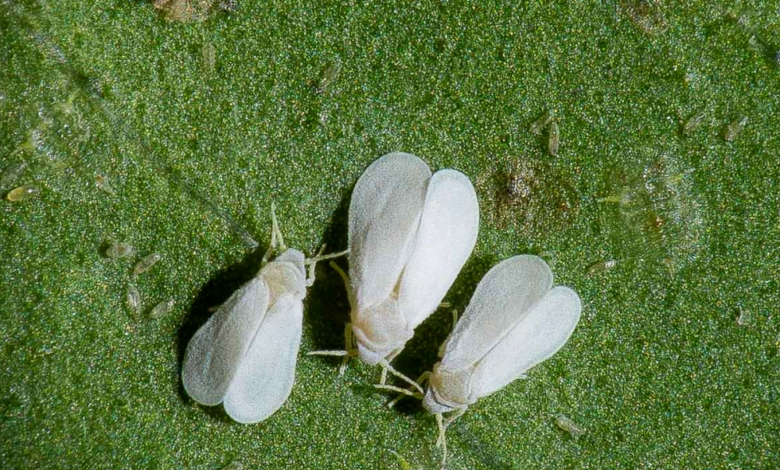
وأوضح المركز أن الذبابة البيضاء، على الرغم من صغر حجمها، تُعد واحدة من أخطر الآفات الزراعية عالمياً. وتكمن خطورتها في أسلوب تغذيتها، حيث تقوم بامتصاص عصارة النباتات بشكل مباشر، مما يؤدي إلى إضعافها بشكل كبير، واصفرار أوراقها، وتدهور نموها وإنتاجيتها. ولا يقتصر ضررها على ذلك، بل يتعداه إلى دورها كناقل رئيسي للعديد من الأمراض النباتية الخطيرة، وخصوصاً الفيروسات، التي يمكن أن تقضي على المحصول بالكامل، مما يفاقم الخسائر التي يتكبدها المزارعون.
السياق العام وخطورة الآفة
تعتبر الذبابة البيضاء (Bemisia tabaci) آفة عالمية الانتشار، وتجد في المناخات الدافئة، كتلك السائدة في المملكة، بيئة مثالية للتكاثر السريع. تاريخياً، تسببت هذه الحشرة في خسائر فادحة للقطاعات الزراعية في العديد من دول العالم. من أبرز الأضرار غير المباشرة التي تسببها هو إفرازها لمادة سكرية لزجة تُعرف بـ”الندوة العسلية”، والتي ينمو عليها فطر العفن السخامي الأسود، مما يغطي سطح الأوراق ويقلل من كفاءة عملية التمثيل الضوئي، ويؤثر سلباً على جودة الثمار وقيمتها التسويقية.
أهمية المكافحة المتكاملة وتأثيرها
وشدد مركز “وقاء” على أن الحل الأمثل لمواجهة هذه الآفة لا يكمن في الاعتماد على المبيدات الكيميائية وحدها، بل في تبني استراتيجية “الإدارة المتكاملة للآفات” (IPM). هذا النهج المستدام يجمع بين عدة أساليب وقائية وعلاجية للحفاظ على أعداد الآفة تحت المستوى الذي يسبب ضرراً اقتصادياً، مع تقليل الاعتماد على المواد الكيميائية والحفاظ على التوازن البيئي. وتشمل هذه الاستراتيجية ممارسات زراعية سليمة مثل التخلص من الحشائش والنباتات المصابة، واستخدام أصناف مقاومة، وضمان التهوية الجيدة داخل البيوت المحمية، والالتزام بمسافات زراعية مناسبة.
كما دعا المركز المزارعين إلى المراقبة الدورية لمحاصيلهم للكشف المبكر عن أي إصابات، والاستفادة من أساليب المكافحة الحيوية عبر إطلاق الأعداء الطبيعيين للذبابة البيضاء. وأكد أن الاستخدام المرشد للمبيدات يجب أن يكون الملاذ الأخير، مع اختيار الأنواع المتخصصة التي لا تضر بالحشرات النافعة. إن نجاح هذه الجهود لا يضمن فقط حماية محاصيل المزارعين المحليين، بل يساهم أيضاً في تعزيز الأمن الغذائي للمملكة، وهو أحد الركائز الأساسية لرؤية 2030، ويحافظ على سمعة المنتجات الزراعية السعودية في الأسواق الإقليمية والدولية.