
Introduction: A historic leap in energy markets
Global energy markets witnessed dramatic and sudden shifts, with oil prices surging by more than $6 per barrel during trading today. This sharp and unexpected increase followed statements by US President Donald Trump, in which he affirmed that the United States would continue its military strikes against Iran. These threats explicitly included vital energy sector targets and oil facilities in the coming weeks, without committing to a specific timeline for ending these military operations, raising investor concerns about potential supply shortages.
Oil price details and market reactions
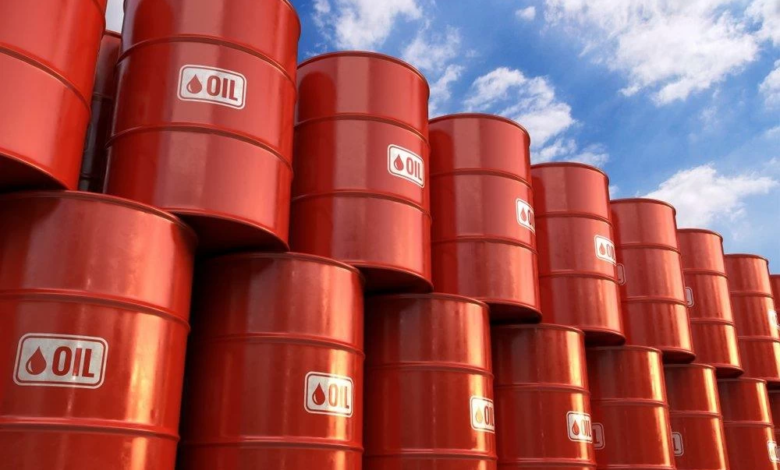
In terms of figures and trading, Brent crude futures, the global benchmark, saw a significant increase of $6.86, or 6.78%, reaching $108.02 per barrel. Similarly, West Texas Intermediate (WTI) crude futures, the US benchmark, rose by $6.48, or 6.43%, settling at $106.60 per barrel. These record highs come after both benchmarks had fallen by more than a dollar earlier in the day, specifically before President Trump's televised address, and had also closed lower in the previous session.
General context and historical background of the tensions
To understand the implications of this surge in oil prices, it's essential to consider the broader context and historical background of US-Iranian relations. Relations between Washington and Tehran have long been characterized by extreme tension, particularly concerning Iran's nuclear program and its influence in the Middle East. The Arabian Gulf and the Strait of Hormuz are among the world's most strategically important waterways, through which a significant portion of global oil supplies pass. Historically, any threats or military conflicts near these waterways have led to immediate spikes in energy prices, given the markets' sensitivity to any potential supply disruptions.
Completing military objectives and time ambiguity
In his televised address to the nation, Trump stated that the U.S. military is steadily nearing the completion of its strategic objectives in the conflict with Iran. He indicated that the military standoff would end soon, but his failure to provide a clear and specific timeline for ending the war has left markets in a state of anticipation and caution. This strategic ambiguity is causing oil market participants to price in geopolitical risks more heavily, which is directly reflected in spot and futures prices.
The importance and expected impact of the crisis
This event is of paramount importance and has far-reaching implications on several levels. Internationally, the continued presence of oil prices above $100 per barrel threatens to exacerbate global inflation, as transportation and industrial production costs rise, putting pressure on major energy-importing economies. Regionally, while oil-exporting countries may experience a temporary increase in their revenues, escalating security risks are driving up shipping insurance costs and creating an unstable investment environment. Domestically, in the United States, higher crude oil prices are directly reflected in consumer fuel prices, potentially impacting purchasing power and posing further economic challenges.