
مقدمة: طقس متطرف يضرب جنوب الصين
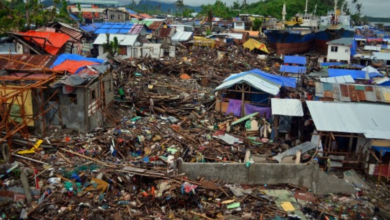
تشهد مناطق واسعة في جنوب الصين، وتحديداً في الآونة الأخيرة، موجة حر غير مسبوقة ترافقت مع تقلبات جوية حادة، مما يضع المنطقة أمام تحديات بيئية ومناخية خطيرة. لم تقتصر هذه الظواهر على الارتفاع الكبير في درجات الحرارة، بل ترافقت مع عواصف ممطرة شديدة ورياح عاتية ضربت مدينة قوانغتشو والمناطق المحيطة بها. هذا المشهد القاسي يعكس بوضوح تصاعد التأثيرات المباشرة المرتبطة بظاهرة التغير المناخي، والتي باتت تفرض تحديات متنامية على البنية التحتية وحياة السكان اليومية.
السياق التاريخي وتطور المناخ في المنطقة
تاريخياً، يُعرف جنوب الصين بمناخه شبه الاستوائي الذي يتسم بصيف حار ورطب وموسم أمطار موسمية. ومع ذلك، فإن التغيرات التي طرأت منذ منتصف القرن العشرين وحتى اليوم تشير إلى انحراف خطير عن المعدلات الطبيعية. مع تزايد الانبعاثات الكربونية العالمية، بدأت ظاهرة الاحتباس الحراري تلقي بظلالها على الأنماط المناخية. وفي هذا السياق، سجلت مدينة فوشان في مقاطعة قوانغدونغ بجنوبي الصين مؤخراً هبوب رياح عاتية بلغت سرعتها 35.7 متراً في الثانية، وهو ما يعادل في شدته قوة إعصار مدمر عند هبوطه على اليابسة. كما تم تسجيل رياح قوية من الدرجة الـ12 اجتاحت عدة أحياء حضرية، مما أثار حالة من التأهب القصوى.
تحليل الخبراء: لغة الأرقام تدق ناقوس الخطر
في تعليقه على هذه التطورات، يشير “وو هونغ يوي”، كبير الخبراء في مركز المناخ بمقاطعة قوانغدونغ التابع لمديرية الأرصاد الجوية، إلى نقطة جوهرية؛ فالقلق الحقيقي لا يكمن فقط في شدة حدث مناخي منفرد، بل في الاتجاه التصاعدي الواضح. الأحداث المناخية المتطرفة أصبحت أكثر تواتراً، وأقوى، وأشد حدة خلال السنوات الأخيرة.
وتدعم البيانات الرسمية هذا التحذير، حيث تظهر الإحصائيات أنه على مدار الـ 65 عاماً الماضية، ارتفع متوسط درجات الحرارة السنوي في مقاطعة قوانغدونغ بنسبة 0.22 درجة مئوية في كل عقد من الزمان. بالتوازي مع ذلك، ارتفع متوسط عدد الأيام الحارة بنحو 3.5 أيام لكل عقد. أما المؤشر الأكثر إثارة للقلق فهو ارتفاع عدد أيام الأمطار الغزيرة إلى رقم قياسي بلغ 10.7 أيام في عام 2024، مقارنة بـ 3.6 أيام فقط في عام 1963.
التأثيرات المتوقعة: محلياً، إقليمياً، ودولياً
على الصعيد المحلي، تؤدي موجة الحر في جنوب الصين والعواصف المرافقة لها إلى ضغط هائل على شبكات الكهرباء، وتهدد الصحة العامة للسكان، وتلحق أضراراً بالبنية التحتية. إقليمياً، تُعد مقاطعة قوانغدونغ القلب النابض للصناعة والتصدير في الصين؛ لذا فإن أي تعطل في حركة النقل أو الإنتاج بسبب الطقس المتطرف ينعكس سلباً على سلاسل التوريد والاقتصاد الإقليمي. أما على الصعيد الدولي، فإن ما يحدث في الصين يمثل إنذاراً عالمياً يبرز العواقب الوخيمة للتقاعس عن مواجهة التغير المناخي، مما يؤكد ضرورة تكاتف الجهود الدولية للحد من الانبعاثات الدفيئة.
استراتيجيات المواجهة: خطة التكيف والرصد المبكر
استجابة لهذه التهديدات الوجودية، أصدرت مقاطعة قوانغدونغ خطة عمل شاملة للتكيف مع تغير المناخ تمتد من عام 2025 وحتى 2035. تشمل هذه الخطة الاستراتيجية تدابير رئيسية تركز على تعزيز وتحديث نظم الرصد والإنذار المبكر ضد الطقس المتطرف. كما تتضمن الخطة مشاريع طموحة لبناء “مدن إسفنجية” قادرة على امتصاص مياه الأمطار للتخفيف من حدة الفيضانات في المناطق الحضرية، فضلاً عن تحسين سبل الوقاية من الأعاصير والكوارث الطبيعية الأخرى.
ويختتم الخبير “وو” تحليله بالتأكيد على أن عمليات البناء والتجديد الحضري المستقبلية يجب أن تستند بشكل كامل إلى البيانات المناخية الجديدة بدلاً من الاعتماد على التجارب الماضية التي لم تعد صالحة. إن مواجهة التحدي العالمي المتمثل في تغير المناخ تتطلب استجابة علمية دقيقة، وهي السبيل الوحيد للمضي قدماً نحو مستقبل آمن ومستدام.