A four-way meeting in Islamabad to de-escalate tensions in the Strait of Hormuz

The importance of the quadrilateral meeting in Islamabad
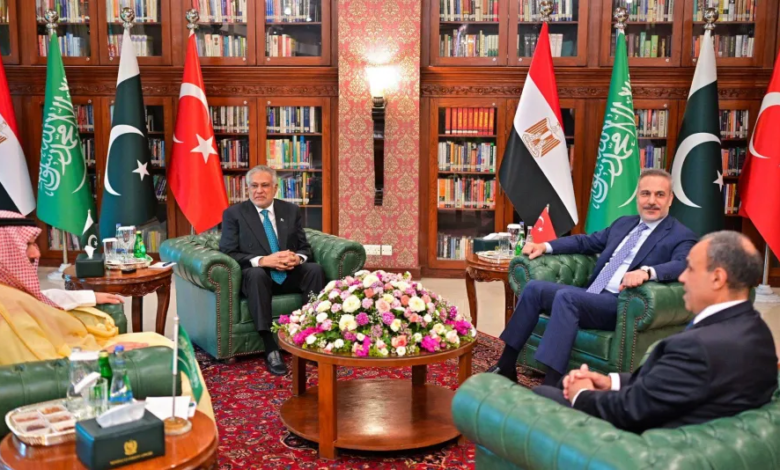
The Pakistani capital, Islamabad, is hosting a crucial quadrilateral meeting aimed at de-escalating tensions in the region and discussing possible mechanisms to ensure maritime security and fully reopen the Strait of Hormuz to global trade. This diplomatic initiative comes at a time of escalating geopolitical tensions in the region, which have directly impacted maritime navigation and global energy supplies, necessitating urgent international and regional intervention to stabilize markets and secure vital supply lines.
The strategic importance of the Strait of Hormuz
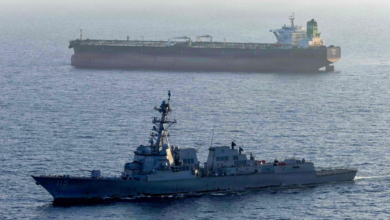
The Strait of Hormuz is one of the world's most strategically important waterways, connecting the Arabian Gulf, the Gulf of Oman, and the Arabian Sea. Its vital importance lies in its role as the main artery for global oil flows; approximately one-fifth of the world's crude oil consumption passes through it, in addition to vast quantities of liquefied natural gas. Any disruption or threat to navigation in this strait would immediately impact global energy markets, leading to sharp fluctuations in oil prices and negative repercussions for the entire global economy. This explains the intense international interest in ensuring its continued operation.
The historical context of regional tensions
Historically, the Strait of Hormuz has been a flashpoint for regional and international tensions. The past decades have witnessed numerous incidents, including the seizure of commercial oil tankers, repeated threats to close the strait, and military escalations between regional and international powers operating in the area's waters. This complex historical context makes any diplomatic initiative, such as the quadrilateral meeting in Islamabad, a crucial step to avoid a repeat of past crises that inflicted heavy losses on the global economy and drove up marine insurance costs to unprecedented levels.
Islamabad's role and expected impact
Islamabad plays a pivotal role in regional mediation efforts, given its balanced strategic relationships with various actors in the Middle East and Asia. The quadrilateral meeting aims to establish a common framework that guarantees freedom of navigation and reduces political and military polarization. Discussions focus on strengthening direct communication channels between the countries involved and building confidence-building measures that would prevent any unintended clashes that could lead to the closure of the Strait or disruption of navigation.
Economic and security repercussions
Regionally, the success of these talks in de-escalating tensions will bolster the security and economic stability of the Gulf states and neighboring countries whose budgets rely heavily on energy exports. Internationally, securing the Strait of Hormuz sends a reassuring message to global markets and helps curb inflation caused by rising shipping costs. International cooperation at this critical juncture is essential, as the outcomes of this meeting could lay the foundation for a new phase of joint security cooperation to ensure the Strait of Hormuz remains open and safe for all, and to prioritize dialogue and diplomacy over escalation.