Saudi Arabia emphasizes the mandatory nature of Hajj permits to ensure the safety of pilgrims

Saudi Arabia emphasizes the mandatory nature of Hajj permits to ensure the safety and security of pilgrims
In its ongoing efforts to provide the best services and ensure the safety of pilgrims, the Kingdom of Saudi Arabia has reaffirmed the mandatory Hajj permit for all those wishing to perform the pilgrimage, whether citizens, residents within the Kingdom, or visitors from around the world. This decisive step is part of the annual campaign launched by the relevant authorities under the slogan "No Hajj Without a Permit," which aims to manage crowds and prevent overcrowding that could lead to serious incidents.
General context and historical background of Hajj organization
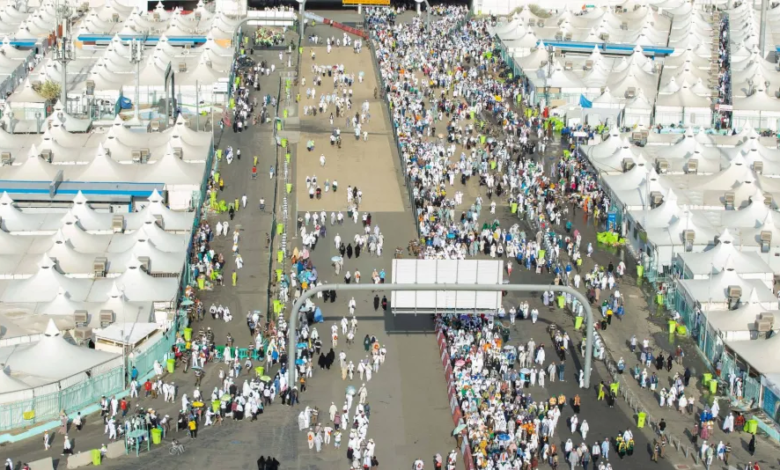
Historically, Mecca and the holy sites have witnessed a dramatic increase in the number of pilgrims year after year, posing a significant logistical and security challenge for Saudi authorities. In an effort to manage these growing numbers and provide a safe environment, the Kingdom began implementing a quota system for Islamic countries and activating an internal permit system several years ago. These measures have proven successful in reducing overcrowding and ensuring that every pilgrim with a valid permit receives adequate space and the necessary medical and food services. The Hajj permit is not merely a regulatory document; it is a vital tool for ensuring efficient crowd management, especially in the limited-space holy sites such as Mina, Muzdalifah, and Arafat.
The importance of the event and its expected impact locally and internationally
The emphasis on mandatory Hajj permits is of paramount importance on several levels. Locally, this measure helps alleviate the burden on infrastructure in Mecca and allows security and health authorities to provide their services more efficiently. Regionally and internationally, pilgrims' adherence to official permits guarantees their rights to decent accommodation and safe transportation, and prevents their exploitation by fraudulent Hajj operators who abandon pilgrims in dire conditions without shelter or care.
Strict penalties against violators
To ensure the system is enforced, the Saudi Ministry of Interior has approved strict penalties for anyone caught attempting to perform Hajj without a permit. These penalties include hefty fines of up to 10,000 Saudi Riyals, immediate deportation for violating residents, and a ban on re-entry to the Kingdom for a specified period. The penalties also extend to anyone involved in transporting undocumented pilgrims, who will face substantial fines, imprisonment, and confiscation of the vehicle used in the transport. This underscores that the security of the Hajj is a red line that cannot be compromised.
The role of technology in facilitating procedures
In line with Saudi Vision 2030, the Kingdom has harnessed the latest technologies to streamline the Hajj permit. Through advanced digital platforms such as the Absher platform and the Nusuk application, those wishing to perform Hajj can now register, choose suitable packages, and issue permits electronically with complete transparency and ease. These digital transformations not only simplify procedures but also assist security authorities in verifying the identities of legitimate pilgrims through smart gates deployed at the entrances to Mecca and the Holy Sites.
In conclusion, the Saudi authorities and the Council of Senior Scholars affirm that obtaining a Hajj permit is a religious and legal obligation, dictated by the principle of obedience to the ruler and the pursuit of the public good. Cooperation with the organizing bodies and adherence to regulations are the best ways to perform the Hajj rituals in a safe, spiritually uplifting, and tranquil atmosphere.