
مقدمة: التوترات المستمرة في مياه الخليج العربي
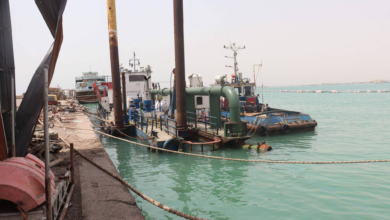
تشهد منطقة الخليج العربي حالة من الترقب المستمر والتوترات الجيوسياسية المتصاعدة، حيث لا تزال التقارير والمؤشرات تدل على استمرار هجمات إيران في الخليج أو عبر وكلائها في المنطقة، وذلك على الرغم من وجود مساعٍ دبلوماسية حثيثة وإعلانات متكررة عن فترات من الهدنة والتهدئة. إن هذا التناقض بين المسار الدبلوماسي والواقع الميداني يطرح تساؤلات جوهرية حول مستقبل الأمن الإقليمي وحرية الملاحة البحرية في أحد أهم الممرات المائية في العالم.
السياق العام والخلفية التاريخية للتدخلات الإيرانية
تاريخياً، اتسمت العلاقات بين إيران ودول الخليج العربي بفترات من الشد والجذب، خاصة منذ عام 1979. اعتمدت الاستراتيجية الإيرانية على مدى عقود على استخدام ما يُعرف بـ “المنطقة الرمادية” في صراعاتها، حيث تقوم بتنفيذ عمليات غير متكافئة عبر وكلاء إقليميين أو باستخدام طائرات مسيرة وزوارق سريعة لتهديد خطوط الملاحة دون الانخراط في مواجهة عسكرية مباشرة. وقد شهدت السنوات الماضية حوادث متعددة لاستهداف ناقلات النفط والسفن التجارية في مضيق هرمز وبحر عُمان، مما استدعى تشكيل تحالفات دولية لحماية أمن الملاحة.
وعلى الرغم من التوصل إلى اتفاقيات تهدئة في بعض الساحات الإقليمية، مثل الهدنة في اليمن التي رعتها الأمم المتحدة، والاتفاق التاريخي لعودة العلاقات الدبلوماسية بين السعودية وإيران برعاية صينية، إلا أن الحوادث الأمنية في المياه الإقليمية والدولية المحيطة لم تتوقف بالكامل. هذا يشير إلى تعقيد في هيكلية صنع القرار الإيراني، حيث تستمر بعض الأجنحة في استعراض القوة كرسائل ضغط سياسي وتكتيكي.
أهمية الحدث وتأثيره المتوقع على المستويات كافة
التأثير المحلي والإقليمي
على المستوى الإقليمي، يشكل استمرار هذه الهجمات أو التحرشات البحرية تهديداً مباشراً للأمن القومي لدول مجلس التعاون الخليجي. فهو يفرض على هذه الدول ضرورة الحفاظ على جاهزية أمنية وعسكرية عالية. كما أن استمرار حالة اللايقين الأمني يؤثر على خطط التنمية الاقتصادية الطموحة التي تتبناها دول المنطقة، والتي تعتمد بشكل كبير على الاستقرار لجذب الاستثمارات الأجنبية المباشرة وتطوير قطاعات حيوية غير نفطية مثل السياحة، التكنولوجيا، والخدمات اللوجستية.
التأثير الدولي والاقتصادي
دولياً، لا يمكن النظر إلى الخليج العربي ومضيق هرمز كشأن إقليمي بحت؛ إذ يمر عبر هذا المضيق نحو خمس إنتاج النفط العالمي. وبالتالي، فإن أي تهديد أو هجمات مستمرة تعني بالضرورة تهديداً مباشراً لأمن الطاقة العالمي وسلاسل الإمداد. هذا الوضع يدفع القوى الكبرى، وعلى رأسها الولايات المتحدة الأمريكية والدول الأوروبية، إلى الإبقاء على تواجد بحري وعسكري مكثف في المنطقة لضمان تدفق إمدادات الطاقة، مما يبقي المنطقة عرضة للتجاذبات والتقاطعات الدولية المستمرة.
خلاصة: نحو استراتيجية شاملة لأمن الخليج
في الختام، يتضح أن استمرار هجمات إيران في الخليج رغم مساعي الهدنة يعكس استراتيجية معقدة تهدف إلى الحفاظ على النفوذ الإقليمي وأوراق التفاوض. ولتحقيق استقرار مستدام، يتطلب الأمر أكثر من مجرد اتفاقيات تهدئة مؤقتة؛ بل يستوجب بناء إطار أمني إقليمي شامل يضمن احترام سيادة الدول، وحرية الملاحة، ويضع حداً للتدخلات في الشؤون الداخلية، مدعوماً بآليات مراقبة وضمانات دولية حقيقية.