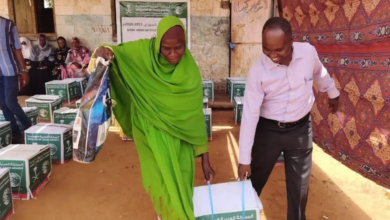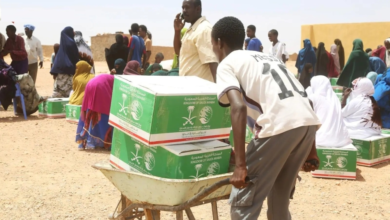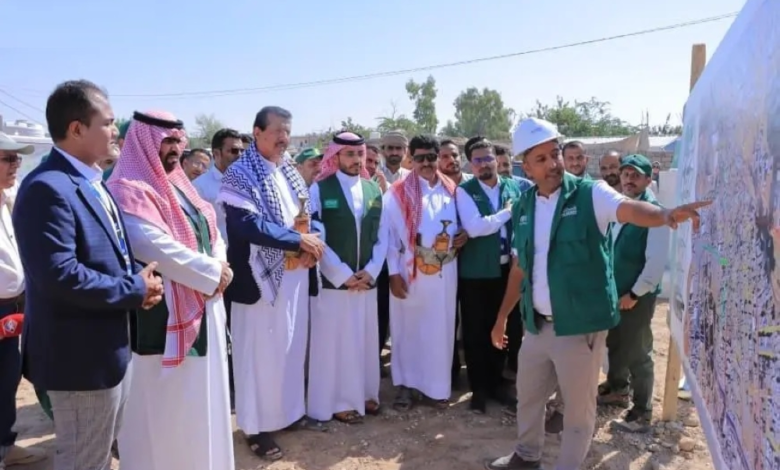

In a humanitarian initiative aimed at strengthening infrastructure and alleviating suffering in Yemen, the King Salman Humanitarian Aid and Relief Center laid the foundation stone for three vital water and sanitation projects in Marib Governorate. These projects, implemented in partnership with the International Organization for Migration (IOM), are part of a comprehensive program to improve access to safe and clean water supplies and are expected to benefit more than 50,000 internally displaced persons and members of the host community.
Background of the crisis and the importance of Marib
Yemen has been suffering for years from one of the world's worst humanitarian crises, with the conflict devastating essential infrastructure, including water and sanitation networks. Marib governorate is among the hardest hit, having received millions of internally displaced people from across Yemen, placing immense pressure on its limited resources, particularly water. The scarcity of clean water has exacerbated health conditions and increased the risk of waterborne diseases such as cholera.
Details of vital projects
The three projects are distributed across strategic areas in Marib to meet the urgent needs of the population, and include the following:
- The Sweida Water Project: This includes expanding the existing project north of the city by drilling a new well, constructing a 500 cubic meter underground concrete reservoir, and extending an internal distribution network exceeding 14 kilometers to supply water to the camps and neighboring service facilities.
- The Bin Aboud neighborhood project aims to supply the neighborhood with water by constructing a 21-meter-high concrete tower tank with a capacity of 200 cubic meters, along with the implementation of a modern distribution network of 13.5 kilometers of high-quality polyethylene pipes.
- Al-Jufaynah Camp Project (Sector 10): This includes expanding water services in the camp by constructing a 500 cubic meter underground concrete tank and extending an internal distribution network with a length of 16 kilometers.
In addition, the package includes the construction of 3 integrated desalination and water purification plants, to ensure the quality of drinking water and its compliance with internationally approved health standards.
Expected impact and importance of projects
These projects represent a significant shift from emergency relief aid to sustainable development solutions. Locally, they will contribute to water security in one of the governorates with the highest concentration of displaced people, reducing the burden on women and children who often have to travel long distances to fetch water. They are also expected to have a major positive impact on public health by reducing disease. Regionally, this initiative reflects the continued humanitarian support provided by the Kingdom of Saudi Arabia, through its humanitarian arm, the King Salman Humanitarian Aid and Relief Centre, to the Yemeni people, and underscores the importance of partnerships with international organizations to deliver an effective and sustainable crisis response.
The Deputy Governor of Marib, Dr. Abdul Rabbo Muftah, praised this package of projects, stressing that it represents a qualitative leap in the path of providing safe water, and appreciating the support of the Kingdom, represented by the King Salman Relief Center, in alleviating the suffering of the displaced people hosted by the governorate.