Japan warns of the repercussions of closing the Strait of Hormuz on energy security

Japan warns of catastrophic consequences for the global economy
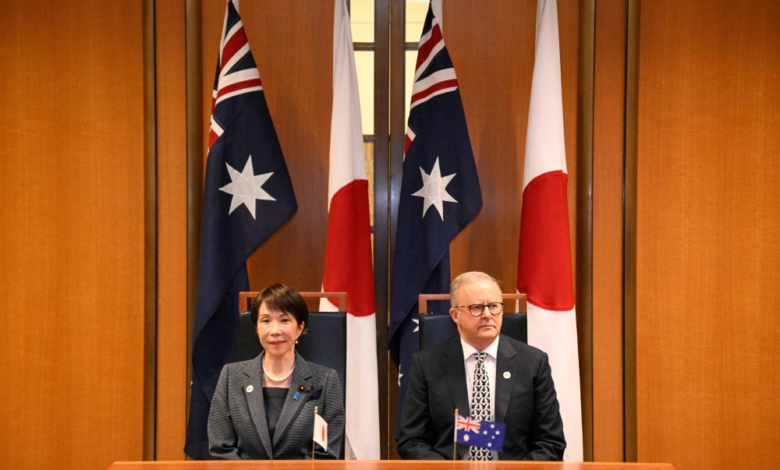
The Japanese government expressed grave concern over any potential threat to freedom of navigation in the Strait of Hormuz, emphasizing that any disruption to this vital waterway would have “enormous repercussions” for global energy security and the stability of the entire Indo-Pacific region. This stance was adopted during high-level talks between Japan and Australia, which share a strategic vision aimed at ensuring the security of maritime routes and maintaining a rules-based international order.
The strategic importance of the Strait of Hormuz
The Strait of Hormuz is one of the world's most important waterways, if not the most important, through which nearly one-fifth of the world's total oil consumption passes, in addition to vast quantities of liquefied natural gas. Connecting the Persian Gulf to the Gulf of Oman, and from there to the Arabian Sea and the Indian Ocean, the strait is a vital artery for major economies, particularly in Asia. Countries like Japan, which imports about 90% of its crude oil from the Middle East, depend almost entirely on the stability of this waterway to ensure the continued energy supplies necessary to fuel their economies.
Expected regional and international impacts
Any closure, even partial or temporary, of the Strait of Hormuz would inevitably trigger a severe shock to global energy markets. Oil and gas prices are expected to skyrocket, negatively impacting production and transportation costs worldwide and exacerbating inflationary pressures on both developed and developing economies. For the Indo-Pacific region, home to major economic powers like China, South Korea, and India, the repercussions would be immediate and devastating, as these countries would face a critical energy supply crisis, potentially leading to widespread economic slowdown and social instability.
Japanese-Australian partnership to ensure energy security
Given these risks, Japan and Australia emphasized the need to strengthen their bilateral cooperation to ensure their energy security and independence. Australia is a major supplier of liquefied natural gas (LNG) to Japan, and this cooperation forms a cornerstone of Tokyo's strategy to diversify its energy sources and reduce its dependence on the volatile Middle East. Officials from both countries affirmed that they will work closely and urgently to address any emerging challenges and coordinate efforts with international partners to ensure the freedom of navigation in vital sea lanes is not compromised, as this is of paramount importance to global peace and stability.