Gulf support for Lebanon's security: Messages and challenges for the future

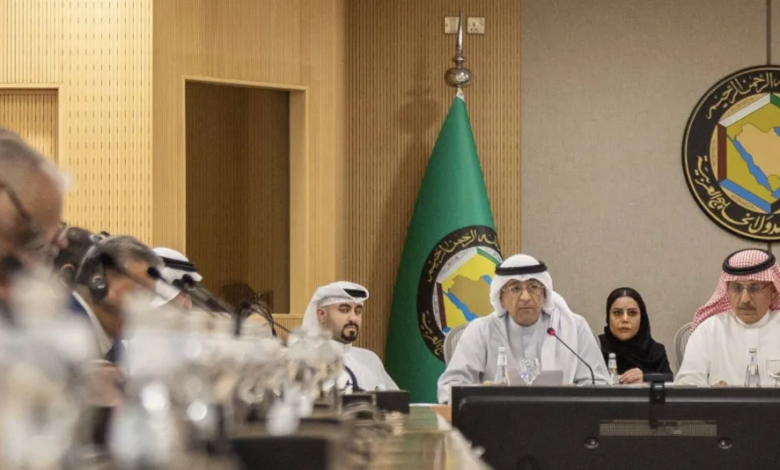
The Ministerial Council of the Gulf Cooperation Council (GCC), in its recent meeting, reaffirmed its unwavering support for all measures aimed at preserving the security, stability, and sovereignty of Lebanon over its entire territory. This reaffirmation comes at a critical juncture for Lebanon, which is grappling with a complex economic and political crisis, most notably the ongoing presidential vacuum that has persisted for months, thus adding a strategic dimension to this unified Gulf stance.
General context and historical background
Historically, the Gulf states, particularly Saudi Arabia, have played a pivotal role in supporting Lebanon politically and economically, especially after the end of the Lebanese Civil War and the signing of the Taif Agreement. However, recent years have witnessed a cooling and strain in relations, stemming from what the Gulf states perceive as the growing influence of Hezbollah, backed by Iran, and its dominance over political and military decision-making in Lebanon. These tensions reached a peak in 2021 with the outbreak of a diplomatic crisis that led to the withdrawal of Gulf ambassadors from Beirut in response to statements deemed offensive to the Gulf Cooperation Council (GCC) states.
The importance of the Gulf position and its expected impact
The renewed Gulf position is of paramount importance on several levels:
- On the domestic front, this support sends a clear message to the Lebanese political class about the urgent need to fulfill constitutional obligations, foremost among them the election of a new president and the formation of an effective government capable of implementing the economic reforms demanded by the international community and the International Monetary Fund. It also constitutes direct support for legitimate institutions in Lebanon, particularly the Lebanese army and security forces, which are the primary guarantors of internal stability.
- Regionally, the Gulf statement reflects a renewed attempt to counterbalance Iranian influence in Lebanon. From the Gulf perspective, Lebanon's stability and sovereignty are integral to the security of the entire region. This stance comes within a broader context of diplomatic efforts in the Middle East, where Gulf states seek to bolster regional stability through dialogue and crisis resolution, including the Lebanese crisis.
- On the international level, the Gulf position aligns with those of influential international powers, such as France and the United States, which consistently call on Lebanese officials to fulfill their responsibilities to save the country from total collapse. This alignment strengthens international pressure on Lebanese politicians to move beyond narrow and personal interests.
In conclusion, the GCC statement affirms that the support provided to Lebanon is not unconditional, but is closely linked to Lebanon’s commitment to implementing the required reforms, controlling illegal weapons, adhering to international resolutions, and distancing itself from regional conflicts. These are the conditions that guarantee Lebanon’s return to playing its natural role in its Arab and international environment.