Launch of the SMF GROW UP initiative to support emerging media companies

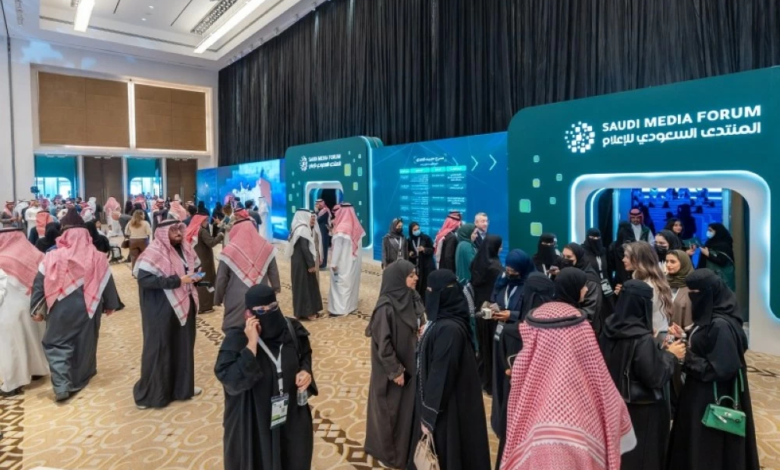
In a strategic move aimed at strengthening the media sector infrastructure in Saudi Arabia, the Saudi Media Forum, in collaboration with the Kafalah Program, announced today (Monday) the launch of the “SMF Grow Up” initiative. This unique initiative will empower emerging media companies by providing comprehensive packages of financial and knowledge support, contributing to the transformation of creative ideas into sustainable and scalable business models, in line with the Kingdom’s rapid economic transformation.
This initiative is significant because it is the first of its kind to offer a dedicated funding and training program exclusively for entrepreneurs in the media production sector. It aims to bridge the gap between artistic creativity and economic viability by focusing on supporting small and medium-sized enterprises (SMEs) through mentorship programs that enhance project efficiency and increase their market share, thereby strengthening the competitiveness of local content regionally and internationally.
In the economic context, the small and medium-sized enterprises (SMEs) sector is a cornerstone of advanced economies, driving GDP growth and job creation. Therefore, the "SMF GROW UP" initiative aims to develop the managerial and professional skills of participants through a practical training environment, while also building bridges between startup owners and major media organizations, thus opening avenues for strategic partnerships that ensure business continuity.
The initiative's operational mechanism comprises two main phases to ensure quality and effectiveness. The first phase begins with intensive workshops covering marketing, business management, and content production, with a focus on "building an investment portfolio" to help entrepreneurs prepare feasibility studies and professional business plans that attract capital. The second phase involves connecting these projects directly with investors, providing real opportunities to secure direct funding that supports expansion plans.
The initiative's objectives align directly with the goals of Saudi Vision 2030, which seeks to diversify income sources and increase the private sector's contribution to the national economy. The program aims to transform the media sector from a consumer-driven sector to a productive one that actively contributes to the GDP, benefiting from the logistical and financial support provided by the Kafalah program and Saudi banks, which will offer flexible financing options and guarantees to facilitate the entrepreneurs' journey.
As part of the incentives offered, eligible companies will receive free exhibition space at the Future Media Exhibition (FOMEX) during the Saudi Media Forum 2026, a golden opportunity for marketing and exposure to leading experts and decision-makers. This launch follows up on previous announcements in July 2025, reaffirming the commitment of relevant authorities to building a robust and sustainable national media ecosystem.