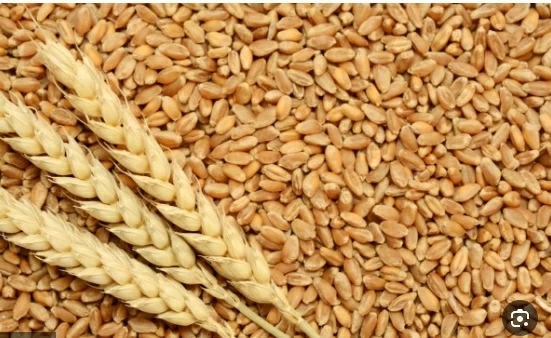

Global commodity markets have witnessed notable shifts recently, with grain prices on the Chicago Board of Trade declining after a series of previous gains. This decline comes amid cautious optimism that the war in the Middle East may be nearing its end, which would positively impact market stability. Over the past few days, oil prices have also seen a significant drop, a key driver of grain and oilseed prices given the close link between energy costs and agricultural production.
General context and historical background of market volatility
Historically, food and energy prices have been highly sensitive to geopolitical tensions. Since the outbreak of successive crises in conflict zones, both in the Middle East and the Black Sea region, global supply chains have experienced unprecedented disruptions. The Middle East is a vital artery for energy and fertilizer supplies. The ongoing threat and de facto closure of the strategic Strait of Hormuz has choked off the flow of fertilizers and fuel, causing agricultural input costs for farmers worldwide to rise sharply in recent times.
Details of the decline in grain prices and the impact of oil
In numerical terms, wheat prices fell today by as much as 2.4%, marking their biggest drop in over a week. Similarly, corn and soybean prices declined by 0.5% and 1.1%, respectively. Despite this latest decline, Bloomberg's spot grains index still recorded its third consecutive monthly increase in March, rising by 2.6%. The current downturn is largely attributed to lower oil prices; higher crude prices typically lead to increased demand for alternative fossil fuels such as biofuels derived from corn and soybeans, and vice versa when energy prices fall.
The impact of US agricultural reports on global trends
On the other hand, government reports play a pivotal role in shaping markets. In this regard, Arlan Suderman, chief commodities economist at a specialized firm, explained that the grain market is still absorbing the implications of the U.S. Department of Agriculture's planting plans report. The report indicated that the total area planted with wheat, corn, and soybeans in the United States fell short of expectations by about one million acres. Suderman noted that this decrease in wheat planting aligns with a broader global trend, as farmers reassess their plans based on fluctuating production costs and weather forecasts.
The importance of the event and its expected impact locally and internationally
The decline in grain prices is of paramount importance and has multifaceted implications. At the local and regional levels, the drop in wheat and maize prices is welcome news for countries in the Middle East and North Africa, which are among the world's largest grain importers. This decline will help alleviate inflationary pressures on domestic food prices, thereby enhancing food security and reducing the financial burden on the budgets of countries that subsidize essential commodities.
Internationally, the stability of agricultural commodity prices and the decline in energy costs are sending reassuring signals to global markets. This is helping central banks in their efforts to control global inflation and is mitigating the cost-of-living crisis that has plagued many emerging and developed economies alike. With continued optimism about a geopolitical breakthrough, experts hope that global supply chains will fully recover, ensuring a stable flow and fair prices for food and energy for all.