
تفشي الحصبة في بنغلاديش: أزمة صحية متصاعدة
أودى تفشي مرض الحصبة في بنغلاديش بحياة أكثر من 500 طفل، في أزمة صحية تُعد الأسوأ والأعلى من حيث حصيلة الوفيات في البلاد منذ عدة عقود. ووفقاً للبيانات الحكومية الرسمية الصادرة مؤخراً، فإن هذا المرض المعدي عاد للانتشار بشكل مقلق، مما يضع النظام الصحي في بنغلاديش أمام تحديات غير مسبوقة لإنقاذ أرواح الأطفال والحد من انتشار العدوى.
حصيلة الوفيات والضغط على القطاع الصحي
وسجلت وزارة الصحة في بنغلاديش 13 حالة وفاة جديدة لأطفال خلال الساعات الأربع والعشرين الماضية فقط، ليرتفع بذلك إجمالي عدد الوفيات الناجمة عن تفشي المرض إلى 512 حالة. هذا الارتفاع المتسارع في أعداد الإصابات والوفيات أدى إلى ضغط هائل على المستشفيات، لا سيما في العاصمة دكا. ورغم مسارعة السلطات الصحية إلى إنشاء أجنحة مخصصة لاستقبال وعزل مرضى الحصبة، إلا أن هذه المرافق تواجه صعوبات بالغة وتحديات لوجستية خطيرة، أبرزها النقص الحاد في أسرّة العناية المركزة اللازمة للتعامل مع الحالات الحرجة المتزايدة.
السياق التاريخي وأسباب التفشي
تاريخياً، يُعد مرض الحصبة من أكثر الأمراض الفيروسية شدة في العدوى، ويصيب بشكل رئيسي الأطفال الذين لم يتلقوا التطعيمات الأساسية. وعلى الرغم من أن بنغلاديش حققت في العقود الماضية تقدماً ملحوظاً في برامج التحصين الوطنية بدعم من منظمة الصحة العالمية واليونيسيف، إلا أن جائحة كورونا (كوفيد-19) تسببت في اضطرابات عالمية ومحلية لبرامج التطعيم الروتينية. هذا التراجع الملحوظ في معدلات التحصين، إلى جانب الكثافة السكانية العالية في بنغلاديش، خلق بيئة خصبة لعودة ظهور الفيروس وتفشيه بهذه الشراسة، مما يهدد بضياع سنوات من التقدم الطبي في مكافحة أمراض الطفولة.
التأثيرات المحلية والإقليمية للأزمة
على الصعيد المحلي، يشكل تفشي الحصبة في بنغلاديش أزمة إنسانية واقتصادية ترهق كاهل الأسر وتستنزف موارد القطاع الصحي المحدودة. أما على الصعيد الإقليمي والدولي، فإن تفشي الأمراض المعدية في مناطق ذات كثافة سكانية عالية يثير مخاوف جدية من انتقال العدوى، خاصة مع وجود تجمعات سكانية مكتظة ومخيمات للاجئين في المناطق الحدودية، والتي تُعد من أكثر الأماكن عرضة لانتشار الأوبئة. هذا الوضع الحرج يتطلب تدخلاً دولياً عاجلاً لدعم جهود الإغاثة وتوفير اللقاحات والمستلزمات الطبية الضرورية.
حملة تطعيم واسعة النطاق لاحتواء المرض
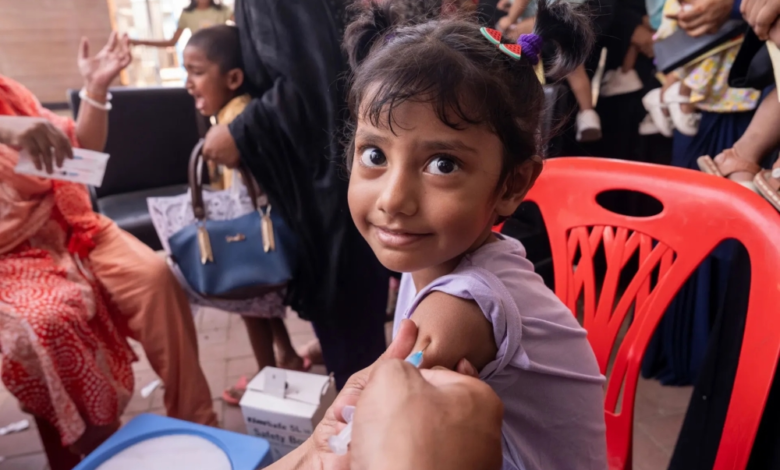
وفي استجابة طارئة لاحتواء هذه الأزمة، أطلقت حكومة بنغلاديش حملة تطعيم واسعة النطاق تستهدف الوصول إلى ملايين الأطفال في مختلف أنحاء البلاد. وتؤكد المنظمات الصحية العالمية أن السيطرة على مرض الحصبة تتطلب تحقيق “مناعة القطيع” من خلال تطعيم ما لا يقل عن 95% من الأطفال بجرعتين من اللقاح. وتبقى الآمال معقودة على نجاح هذه الحملة الوطنية في الحد من انتشار الفيروس وتقليل أعداد الوفيات، وسط دعوات مستمرة لتعزيز الوعي المجتمعي بأهمية اللقاحات كدرع واقٍ لحماية الأجيال القادمة من الأمراض الفتاكة.