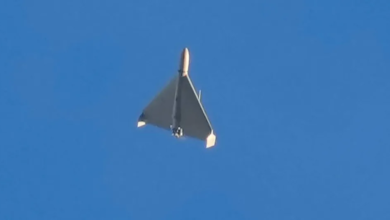

Two drones intercepted and destroyed in Saudi Arabia
As part of ongoing efforts to protect national security and regional stability, Saudi Arabian authorities announced that air defense forces successfully intercepted and destroyed two unmanned aerial vehicles (UAVs) in the past few hours. This incident reaffirms the high level of vigilance and efficiency of the Saudi armed forces in countering any threats to the security and safety of the Kingdom's territory, citizens, and residents, and in securing its airspace against any hostile attempts.
General context and historical background of the event
This event was not isolated from the broader context of tensions that have plagued the region for years. Since the launch of the Arab Coalition's operations to support the legitimate government in Yemen, the Houthi militias, backed by external actors, have consistently attempted to target civilian infrastructure and vital economic facilities in Saudi Arabia using explosive-laden drones and ballistic missiles. These repeated attempts constitute a flagrant violation of international humanitarian law and its customary rules, which prohibit targeting civilians and civilian infrastructure.
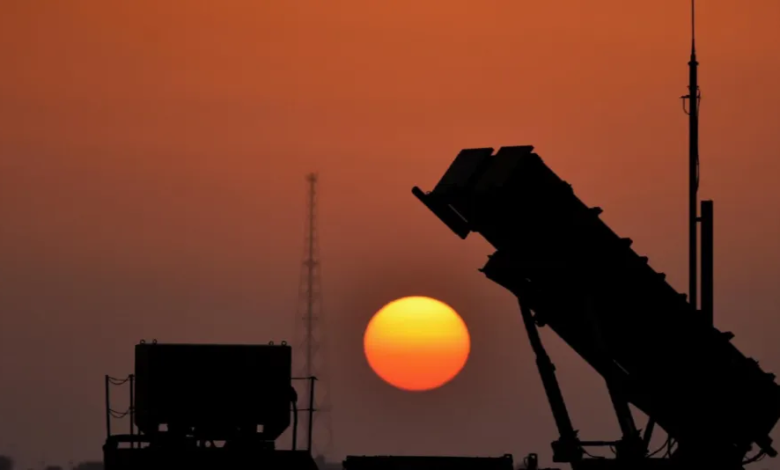
Historically, Saudi Arabia has demonstrated a remarkable ability to counter these asymmetric threats. The Kingdom has invested heavily in developing advanced air defense systems, such as the Patriot system and other modern radar and interceptor technologies, enabling it to neutralize the vast majority of these attacks before they reach their targets, thereby minimizing material and human losses and protecting national assets.
The importance of the event and its expected impact
Local impact: Protecting civilians and ensuring the continuation of normal life
Domestically, the successful interception and destruction of the two drones sends a strong message of reassurance to citizens and residents of the Kingdom. The ability to neutralize these threats in the air ensures the continuation of normal life without interruption and protects vital infrastructure and civilian airports used daily by thousands of passengers. This success also reinforces public confidence in the security and military forces and their ability to provide comprehensive protection under all circumstances.
Regional impact: deterring threats and maintaining balance
Regionally, this interception sends a firm message to anyone attempting to undermine the region's security. Successfully countering drones limits the ability of armed militias to achieve any political or military gains through cross-border terrorism. It also underscores the Kingdom's role as a cornerstone of stability in the Middle East and highlights the importance of regional cooperation in countering the proliferation of drone technology in the hands of irregular armed groups that threaten neighboring countries.
International impact: Protecting the global economy and navigation
At the international level, the security of the Kingdom of Saudi Arabia is of paramount importance given its position as the world's largest oil exporter. Any threat to the Kingdom's vital infrastructure is, in effect, a threat to global energy security and the stability of the international economy. Therefore, the destruction of these drones has been welcomed and commended by the international community and the United Nations, which has consistently condemned such terrorist attacks. Furthermore, protecting Saudi airspace directly contributes to securing international air navigation routes that traverse the region's airspace.
Diplomatic efforts and a peaceful solution
Despite these ongoing military threats, the Kingdom of Saudi Arabia continues to reaffirm its unwavering commitment to supporting UN and international efforts aimed at finding a comprehensive political solution to the crisis in Yemen. These robust defensive measures to protect Saudi territory are accompanied by ongoing humanitarian and diplomatic initiatives aimed at ending the conflict and establishing peace, reflecting the Kingdom's comprehensive vision that combines firmness in defending its national security with flexibility in pursuing regional and international stability.