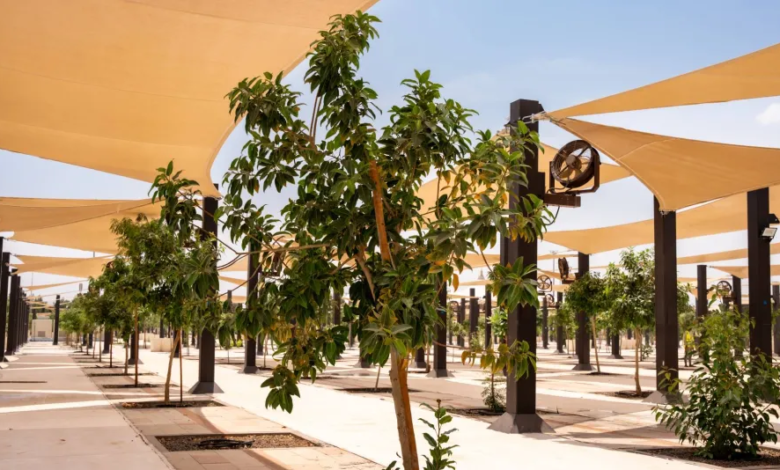

في خطوة هامة تهدف إلى تحسين البيئة وتوفير أجواء أكثر راحة لملايين الحجاج، أعلنت الجهات المختصة في المملكة العربية السعودية عن إطلاق مشروع طموح لزراعة 60 ألف شجرة في مناطق المشاعر المقدسة (منى، ومزدلفة، وعرفات). يأتي هذا المشروع كجزء من جهود المملكة المستمرة لتطوير الخدمات المقدمة لضيوف الرحمن، وجعل رحلتهم الإيمانية أكثر يسراً وراحة، خاصة في ظل التحديات المناخية التي تواجه المنطقة.
خلفية المشروع وأهدافه الاستراتيجية
يندرج مشروع زراعة الأشجار في المشاعر المقدسة ضمن إطار أوسع لمبادرات بيئية كبرى تقودها المملكة، وعلى رأسها “مبادرة السعودية الخضراء” و”رؤية 2030″ التي تضع الاستدامة البيئية وتحسين جودة الحياة في صميم أهدافها. تاريخياً، كانت الطبيعة الصحراوية وارتفاع درجات الحرارة، التي قد تتجاوز 45 درجة مئوية خلال موسم الحج صيفاً، من أبرز التحديات التي تواجه الحجاج. تهدف هذه المبادرة إلى مواجهة هذه التحديات بشكل مباشر من خلال زيادة الرقعة الخضراء، مما يساهم في تلطيف الأجواء وتوفير مساحات واسعة من الظل الطبيعي.
الأهمية البيئية والتأثير المتوقع على تجربة الحجاج
يحمل المشروع أهمية كبرى على مستويات متعددة. على الصعيد البيئي، ستعمل الأشجار الجديدة على امتصاص ثاني أكسيد الكربون وتحسين جودة الهواء، والحد من العواصف الترابية، ومكافحة ظاهرة “الجزر الحرارية الحضرية” التي تؤدي إلى ارتفاع درجات الحرارة في المناطق المكتظة. أما التأثير المباشر على الحجاج، فهو الأكثر أهمية؛ حيث ستوفر الأشجار ظلالاً طبيعية تقيهم من أشعة الشمس الحارقة أثناء تنقلهم بين المشاعر وأداء مناسكهم، مما يقلل من حالات الإجهاد الحراري وضربات الشمس، ويعزز من سلامتهم وصحتهم العامة.
التأثير الإقليمي والدولي للمبادرة
لا يقتصر تأثير هذا المشروع على المستوى المحلي فقط، بل يمتد ليعكس صورة إيجابية عن التزام المملكة العربية السعودية تجاه قضايا البيئة العالمية والاستدامة. فبينما تستضيف المملكة ملايين المسلمين من كافة أنحاء العالم سنوياً، فإن تحويل المشاعر المقدسة إلى واحات خضراء يرسل رسالة قوية حول إمكانية دمج التنمية مع الحفاظ على البيئة حتى في أصعب الظروف المناخية. كما يمكن أن تكون هذه المبادرة نموذجاً ملهماً لدول أخرى في المنطقة والعالم تواجه تحديات التصحر وارتفاع درجات الحرارة، مما يعزز من مكانة المملكة كقائد إقليمي في مجال العمل البيئي والمناخي.
ومن المتوقع أن يتم اختيار أنواع أشجار مقاومة للحرارة وقليلة الاستهلاك للمياه، مثل أشجار النيم وغيرها من الأصناف المحلية، لضمان استدامة المشروع ونجاحه على المدى الطويل. وبذلك، لا يمثل هذا المشروع مجرد إضافة جمالية للمكان، بل هو استثمار استراتيجي في صحة الحجاج وراحتهم، وخطوة عملية نحو تحقيق مستقبل أكثر استدامة للمقدسات الإسلامية.