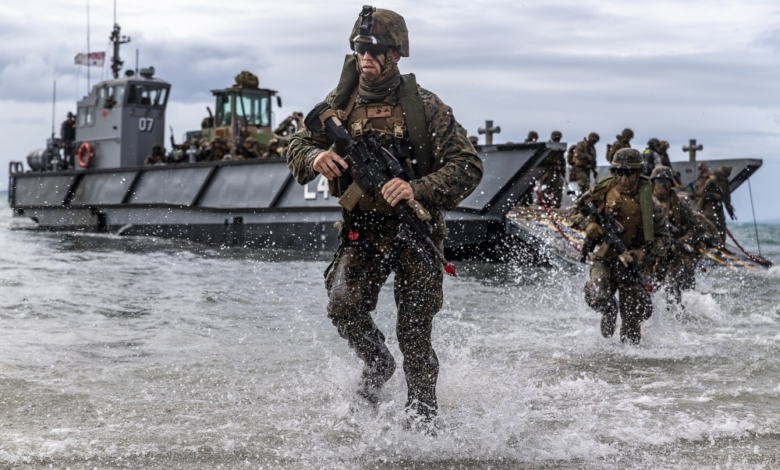

Training exercises for the 13th unit of the United States Marine Corps (Marines)
The U.S. Marine Corps announced, according to Al Arabiya, that elements of the 13th Marine Expeditionary Unit (MEU) have begun intensive military exercises focused on close-quarters combat and tactical assault operations. These exercises come amid unprecedented escalation of military tensions in the Middle East. The 13th MEU is historically known as a highly integrated rapid reaction force, capable of executing complex amphibious missions and playing a vital role in maintaining maritime security and protecting strategic interests in critical waterways.
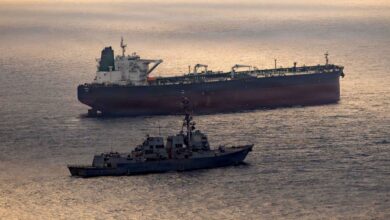
In a related development concerning military operations, reports from the US military indicate that more than 155 Iranian vessels have been damaged or destroyed since the start of operations, in addition to attacks on more than 13,000 targets within Iranian territory. These figures reflect the scale of the military escalation, reminiscent of previous historical periods of conflict in the Gulf waters, such as the "Tanker War" and Operation Praying Mantis in the late 1980s, where direct confrontations to protect freedom of navigation were a tangible reality.
Israeli airstrikes target the heart of Tehran
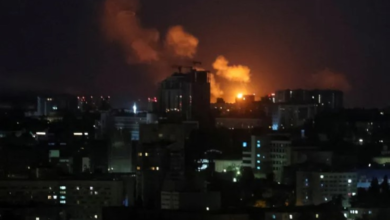
On the other front, the Israeli military announced it had carried out a series of intensive nighttime airstrikes targeting three major airports in the Iranian capital, Tehran: Bahram, Mehrabad, and Azmish. These strikes, conducted by dozens of fighter jets, resulted in the destruction of a significant number of Iranian aircraft and helicopters, as well as targeting vital military installations.
Mehrabad Airport holds immense strategic importance; it is not merely a civilian airport, but a major military and logistical base. The Israeli military statement clarified that this airport, which has been targeted multiple times during the war, is used extensively by the Quds Force of the Islamic Revolutionary Guard Corps (IRGC). Historically, the Quds Force is known for its responsibility for Iran's external operations, including the transfer of weapons, technical equipment, and funds to armed groups and factions allied with Tehran throughout the Middle East. The Israeli military asserted that these strikes aim to "deepen the blows aimed at the Iranian regime's air capabilities," thereby limiting its ability to supply its allies.
Regional and international impact of military escalation
This dual escalation, whether through US exercises and operations or Israeli airstrikes, carries serious repercussions at both the regional and international levels. Regionally, this situation portends a radical shift in the balance of power, as various actors seek to contain Iranian influence and curtail the Revolutionary Guard's ability to conduct proxy wars. Internationally, any threat to navigation in strategic waterways or targeting of military infrastructure will immediately impact global energy markets, leading to fluctuations in oil prices and increased shipping insurance costs, placing the region at a critical historical crossroads.