South Korea is turning to Yanbu port to secure oil supplies away from the Strait of Hormuz

Strategic shift towards the Red Sea
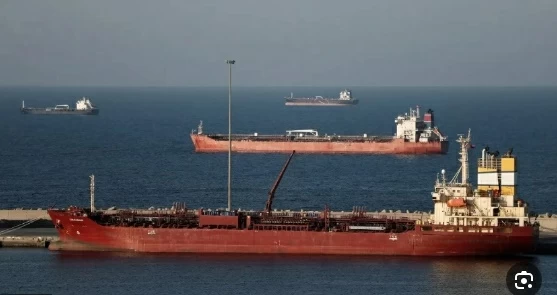
In a strategic move aimed at safeguarding its national energy security, South Korea is increasing its reliance on port of Yanbu on the Red Sea coast as a vital alternative route to secure its crude oil supplies, bypassing escalating tensions in the Strait of Hormuz. Ahn Du-gul, a member of the ruling party, announced Seoul's intention to send five supertankers flying the South Korean flag to Yanbu, a move reflecting global concerns about disruptions to maritime supply chains.
The strategic importance of Yanbu port and the Petroline route
This move follows a series of intensive meetings with relevant authorities in Seoul, most notably the Ministry of Energy. In his remarks to reporters, Dugal emphasized the urgent need to utilize alternative export routes that bypass the Strait of Hormuz, which is experiencing unprecedented geopolitical tensions. In this context, the strategic importance of Yanbu Industrial Port becomes clear, as it connects to the East-West (Petroline) pipeline, which transports Saudi crude oil directly from the Eastern Province fields to the Red Sea. This provides a secure artery that circumvents the bottleneck in the Arabian Gulf and ensures the continued flow of energy to global markets.
Historical context and tensions in the Strait of Hormuz
Historically, the Strait of Hormuz is one of the world's most strategically important waterways, through which approximately one-fifth of global oil and liquefied natural gas (LNG) consumption passes. With the escalation of tensions and the de facto closure of the strait by Iran – following the outbreak of the recent conflict on February 28 – global energy markets were severely impacted. This disruption had a direct and negative impact on many major industrialized nations, most notably South Korea, which relies almost entirely on Middle Eastern oil for about 70% of its total oil imports, making the search for alternative sources an urgent necessity.
Economic repercussions and emergency measures in Seoul
To confront this crippling crisis, the South Korean government was forced to implement a package of emergency economic measures reminiscent of the repercussions of major financial crises. For the first time since 1997, Seoul imposed a strict cap on fuel prices to protect consumers and businesses from the volatility of global markets. The measures were not limited to the economic sphere; they also included nationwide awareness campaigns led by the Ministry of Energy, urging citizens to conserve energy daily, such as reducing shower time and limiting the charging of mobile phones and electronic devices to daylight hours to alleviate the strain on the national electricity grid.
Diplomatic moves to diversify energy sources
On the diplomatic and regional front, Seoul has not only relied on the Red Sea route but has also launched a broad diplomatic initiative to diversify its supply sources. Korean officials have indicated that special envoys have been dispatched on shuttle diplomacy missions to Saudi Arabia, Oman, and Algeria. This move aims to secure new agreements to guarantee additional crude oil supplies, thereby bolstering the stability of the Korean economy and reducing its vulnerability to geopolitical risks. This shift underscores the pivotal role Saudi Arabia plays as a safety valve for global energy markets and its exceptional ability to provide reliable alternative logistical solutions during times of crisis.