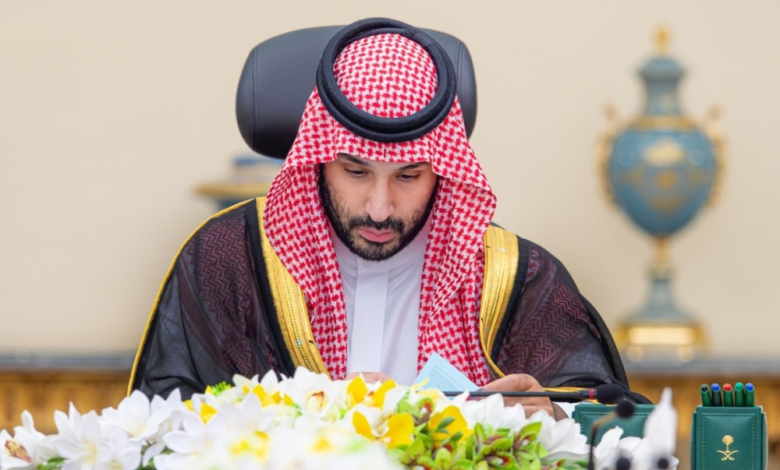
Crown Prince chairs cabinet meeting in Jeddah: Important decisions expected

His Royal Highness Prince Mohammed bin Salman bin Abdulaziz Al Saud, Crown Prince and Prime Minister, chaired the Cabinet meeting held today at Al-Salam Palace in Jeddah. This periodic meeting is part of the Cabinet's constitutional duties to oversee state affairs both domestically and internationally, and to make the necessary decisions to advance development and serve the interests of citizens.
General context of Saudi Cabinet sessions
The Saudi Council of Ministers is the highest executive authority in the Kingdom of Saudi Arabia. It was established in 1953 during the reign of King Abdulaziz Al Saud, the founder of the Kingdom. The Council is responsible for formulating and overseeing the implementation of the state's domestic, foreign, financial, economic, educational, and defense policies. Council meetings are held weekly, usually on Tuesdays, and are chaired by the Custodian of the Two Holy Mosques, King Salman bin Abdulaziz Al Saud, or his representative, in this case, Crown Prince Mohammed bin Salman, the Prime Minister. The Council's decisions are binding and of strategic importance, reflecting the Saudi leadership's stance on various issues.
The importance of the session and its local impact
Cabinet sessions are of paramount importance domestically, serving as the primary platform for approving major development projects and reviewing the performance of government agencies. Amidst the Kingdom's ongoing transformation, these sessions are closely linked to the objectives of Saudi Vision 2030. They address reports on the progress of mega-projects such as NEOM, the Red Sea Project, and Qiddiya, as well as the approval of new regulations and legislation aimed at diversifying the economic base, empowering the private sector, and enhancing the quality of life for citizens and residents. The Cabinet also typically addresses issues that directly impact citizens' lives, such as healthcare, education, and housing, making its outcomes a matter of significant public interest and scrutiny.
Regional and international impact of the Council's decisions
Given the political and economic standing of the Kingdom of Saudi Arabia, the decisions of the Council of Ministers resonate both regionally and internationally. The Council regularly reviews the latest political developments in the region and the world, and outlines the Kingdom's official position on them. Topics typically discussed include relations with the Gulf Cooperation Council (GCC) countries, key Arab issues, developments in global energy markets, and international cooperation in combating terrorism and extremism. Statements issued by the Council after each session serve as a compass for diplomats and political analysts to understand the direction of Saudi foreign policy and its impact on regional stability and the global economy.