
مقدمة: قرار تنظيمي لضمان سلامة ضيوف الرحمن
في إطار الاستعدادات المبكرة والمكثفة لموسم الحج، أعلنت السلطات المختصة في المملكة العربية السعودية عن بدء تنفيذ قرار منع دخول المقيمين إلى العاصمة المقدسة (مكة المكرمة) من دون الحصول على تصريح دخول مسبق صادر من الجهات المعنية. يأتي هذا الإجراء السنوي المعتاد ضمن خطط وزارة الداخلية والمديرية العامة للأمن العام لتنظيم وإدارة الحشود، وضمان توفير بيئة آمنة وصحية ومريحة لجميع حجاج بيت الله الحرام الذين يتوافدون من شتى بقاع الأرض.
تفاصيل القرار والفئات المستثناة
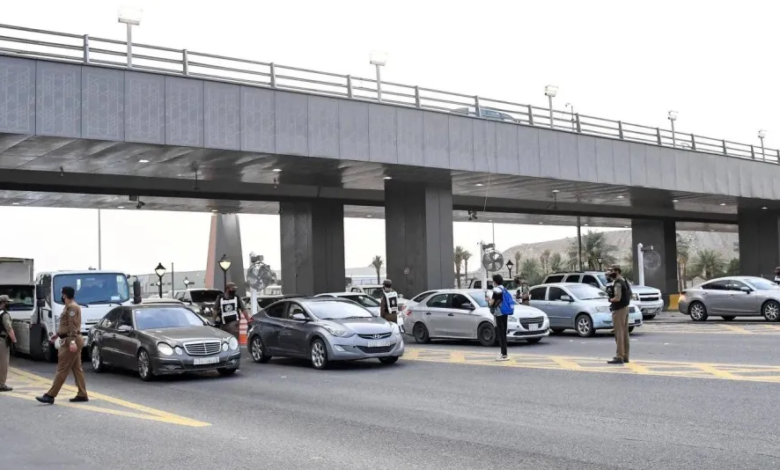
ينص التنظيم الجديد على توجيه الجهات الأمنية المتواجدة في مراكز الضبط الأمني على المداخل المؤدية إلى مكة المكرمة، بمنع وإعادة أي مقيم لا يتوفر لديه تصريح دخول رسمي. وتستثنى من هذا القرار عدة فئات محددة لضمان استمرار الحياة اليومية والخدمات الأساسية في المدينة المقدسة، وتشمل هذه الفئات: المقيمين الذين يحملون إقامة مصدرها مكة المكرمة، والحاصلين على تصريح عمل في المشاعر المقدسة خلال موسم الحج، بالإضافة إلى من يحملون تصريح عمرة أو تصريح حج ساري المفعول. يتم إصدار هذه التصاريح بسهولة عبر المنصات الحكومية الرقمية المعتمدة مثل منصة ‘أبشر’ وبوابة ‘مقيم’، مما يعكس التطور التقني الكبير في إدارة الخدمات الحكومية السعودية.
السياق العام والخلفية التاريخية لإدارة الحشود
تاريخياً، شكلت إدارة موسم الحج تحدياً لوجستياً وأمنياً هائلاً، حيث يجتمع ملايين المسلمين في مساحة جغرافية محدودة وخلال فترة زمنية قصيرة جداً. على مدى العقود الماضية، أدركت حكومة المملكة العربية السعودية ضرورة وضع آليات تنظيمية صارمة لمنع التكدس والازدحام العشوائي الذي قد يؤدي إلى حوادث مؤسفة. ومن هنا، برزت فكرة ‘تصريح الحج’ وتصاريح الدخول إلى مكة كحل استراتيجي للتحكم في الطاقة الاستيعابية للمشاعر المقدسة (منى، مزدلفة، عرفات) والمسجد الحرام. وقد أثبتت هذه الإجراءات نجاحها عاماً بعد عام في خفض نسب الافتراش العشوائي والقضاء على حملات الحج الوهمية، مما أسهم في رفع جودة الخدمات المقدمة للحجاج.
أهمية الحدث وتأثيره المتوقع محلياً ودولياً
على الصعيد المحلي، يسهم قرار منع دخول المقيمين غير المصرح لهم في تخفيف الضغط الهائل على البنية التحتية في مكة المكرمة، بما في ذلك شبكات الطرق، والمواصلات، والمستشفيات، ومرافق الإيواء. كما يتيح للجهات الأمنية والطبية والخدمية التفرغ التام لخدمة الحجاج النظاميين وتقديم الرعاية المثلى لهم. أما على الصعيدين الإقليمي والدولي، فإن هذا التنظيم يبعث برسالة طمأنينة واضحة للعالم الإسلامي بأسره، مفادها أن المملكة تضع سلامة وأمن الحجاج في قمة أولوياتها. إن نجاح موسم الحج ينعكس إيجاباً على صورة المملكة عالمياً، ويؤكد قدرتها الفائقة على إدارة أكبر تجمع بشري سنوي في العالم بكفاءة واقتدار.
التوافق مع رؤية السعودية 2030
تنسجم هذه الإجراءات التنظيمية بشكل كامل مع أهداف ‘رؤية السعودية 2030’، وتحديداً برنامج ‘خدمة ضيوف الرحمن’ الذي يهدف إلى إحداث نقلة نوعية في تجربة الحج والعمرة. تسعى المملكة من خلال هذا البرنامج إلى تيسير استضافة المزيد من المعتمرين والحجاج، مع تقديم خدمات ذات جودة عالية تثري تجربتهم الدينية والثقافية. إن الاعتماد على التقنية في إصدار التصاريح والتحقق منها في نقاط الفرز الأمني يمثل جزءاً من التحول الرقمي الشامل الذي تشهده البلاد، والذي يهدف إلى تسهيل الإجراءات وتقليل وقت الانتظار، مع الحفاظ على أعلى درجات الضبط الأمني والتنظيمي لضمان راحة ضيوف الرحمن.