
في خطوة استراتيجية تهدف إلى تعزيز الأمن الغذائي وتحقيق الاستدامة البيئية، كشف المركز الوطني للوقاية من الآفات النباتية والأمراض الحيوانية “وقاء” عن خططه لإنتاج أكثر من 713.5 مليون حشرة نافعة خلال عام 2025. تأتي هذه المبادرة الطموحة ضمن جهود المملكة لتقليص الاعتماد على المبيدات الكيميائية وحماية المحاصيل الزراعية بطرق طبيعية وآمنة، بما يتماشى مع مستهدفات رؤية السعودية 2030.
خلفية تاريخية وسياق عالمي
يأتي هذا التوجه نحو المكافحة الحيوية كجزء من تحول عالمي أوسع نطاقاً بعيداً عن الزراعة التقليدية المعتمدة بكثافة على المواد الكيميائية. على مدى عقود، أدت المبيدات إلى زيادة الإنتاجية، لكنها أثارت مخاوف متزايدة بشأن تأثيرها على صحة الإنسان، وتلوث المياه والتربة، والإضرار بالتنوع البيولوجي، خاصة الملقحات مثل النحل. المكافحة الحيوية، التي تستخدم الأعداء الطبيعيين للآفات، ليست مفهوماً جديداً، لكن التقدم التكنولوجي والوعي البيئي المتزايد جعلاها حلاً قابلاً للتطبيق على نطاق واسع. وتتبنى المملكة هذه التقنيات المتقدمة لتكون رائدة في مجال الزراعة الصحراوية المستدامة.
أهمية المبادرة وتأثيرها المتوقع
أوضح مركز “وقاء” أن هذه المخرجات تحققت عبر مركز التقنية الحيوية لحماية النباتات، بهدف ترسيخ استخدام البدائل الآمنة وإيجاد توازن بيئي طبيعي لمكافحة الآفات في الحقول الزراعية. وأظهرت الإحصاءات الرسمية للمركز تجهيز 90,072 عبوة من الكائنات الحية النافعة الجاهزة للتوزيع، إلى جانب إنتاج 4,572 خلية للنحل الطنان، الذي يلعب دوراً حيوياً في عمليات التلقيح.
دور مزدوج: مكافحة وتلقيح
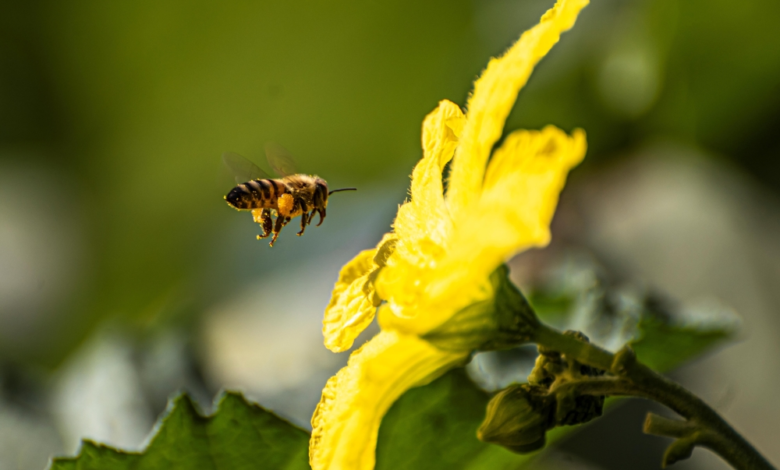
تخدم هذه المبادرة هدفين رئيسيين؛ الأول هو المكافحة البيولوجية للآفات، حيث تعمل الحشرات النافعة كـ”جيش طبيعي” يفترس أو يتطفل على الحشرات الضارة التي تدمر المحاصيل، مما يقلل الحاجة للرش الكيميائي. أما الهدف الثاني، فيتمثل في تعزيز عمليات تلقيح الزهور داخل البيوت المحمية باستخدام خلايا النحل الطنان، وهو ما ينعكس إيجاباً بشكل مباشر على رفع جودة المحاصيل وزيادة إنتاجيتها، وضمان الحصول على ثمار مكتملة النمو وذات قيمة تسويقية أعلى.
الأثر المحلي والإقليمي
على الصعيد المحلي، ستسهم هذه الحلول البيئية في ضمان سلامة المنتجات الغذائية للمستهلكين، وحماية الموارد الطبيعية، والحفاظ على التنوع البيولوجي. كما أنها تدعم المزارعين عبر توفير حلول فعالة ومستدامة. أما إقليمياً، فإن نجاح المملكة في تطبيق هذه التقنيات على نطاق واسع يضعها في موقع الريادة، ويقدم نموذجاً يمكن للدول المجاورة التي تواجه تحديات زراعية وبيئية مماثلة الاستفادة منه. ويمثل التوسع في تقنيات المكافحة الحيوية ركيزة أساسية ضمن استراتيجية “وقاء” الوطنية الرامية إلى حماية الغطاء النباتي واستدامة الموارد الزراعية للأجيال القادمة.