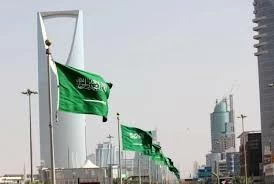

An unprecedented economic achievement for the Kingdom of Saudi Arabia
In further evidence of the success of ambitious economic transformation plans, the “Saudi Vision 2030” report revealed that the Saudi economy has achieved a historic leap, with GDP expected to exceed 4 trillion riyals, reaching nearly 4.9 trillion riyals by the end of 2025. This exceptional figure, which surpasses the Vision’s interim targets, reflects the success of the policies implemented to diversify income sources and enhance the role of non-oil sectors in driving growth.
Vision 2030: Historical Context and Transformation Engine
Saudi Vision 2030 was launched in 2016 as a comprehensive roadmap aimed at fundamentally transforming the structure of the Saudi economy and society. The vision emerged in response to global challenges and the urgent need to reduce the historical dependence on oil as the primary source of income, which had been the main driver of the economy for decades. The vision aims to build a diversified and sustainable economy by empowering the private sector, developing new strategic sectors such as tourism, entertainment, technology, and advanced industries, as well as transforming the Kingdom into a global logistics hub and attracting foreign direct investment.
The private sector and the Public Investment Fund: the new poles of growth
The growing role of the private sector is one of the most significant outcomes of this transformation. Its contribution to GDP rose to 51% by the end of 2025, exceeding the target and compared to approximately 44% at the launch of the Vision. This growth is reflected in the dramatic increase in the number of small and medium-sized enterprises (SMEs), which quadrupled to reach over 1.7 million, contributing to the creation of millions of new jobs and raising the number of employees in the sector to 8.8 million.
The Public Investment Fund (PIF) plays a pivotal role as the investment arm of the Vision, with its assets under management increasing nearly 5 times, rising from SAR 720 billion to approximately SAR 3.41 trillion by the end of 2025. The fund is leading mega-projects that are transforming the Kingdom and establishing new economic sectors, reinforcing its position as one of the world's largest sovereign wealth funds.
Strategic impacts: Localizing industries and attracting investments
Success wasn't limited to macroeconomic indicators; it extended to vital strategic sectors. The military industries sector achieved remarkable progress, with the localization of military spending rising to 25%, compared to just 7.7% in 2021. This strengthens national security and establishes a sophisticated defense industrial base. Furthermore, the Kingdom witnessed unprecedented foreign direct investment inflows, with their value surging to SAR 133 billion in 2025, nearly five times their 2017 level. This increase reflects the growing confidence of international investors in the Saudi business environment and its attractiveness as a global investment destination.
Regional and international importance
This economic growth not only reinforces the Kingdom's position as a leading economic power within the G20, but also establishes a successful model for economic transformation in the region. By building a diversified and sustainable economy, Saudi Arabia is contributing to regional economic stability and opening new horizons for international cooperation and partnerships, transcending its traditional role as the world's largest oil exporter to become an influential player across various global economic sectors.