
خطوة استراتيجية نحو تحقيق الأمن الغذائي المستدام
في خطوة هامة تهدف إلى تعزيز الأمن الغذائي وتحقيق الاستدامة في القطاع الزراعي، أعلنت وزارة البيئة والمياه والزراعة السعودية، بالتعاون مع منظمة الأغذية والزراعة للأمم المتحدة (الفاو)، عن نشر دراسة علمية رائدة. تحمل الدراسة عنوان “تحويل إنتاجية المجترات الصغيرة من خلال نموذج تقديم خدمات المزارع”، وتقدم حلولاً مبتكرة لرفع كفاءة قطاع الثروة الحيوانية في المملكة، بما يتماشى مع مستهدفات رؤية 2030.
السياق العام وأهمية الثروة الحيوانية في المملكة
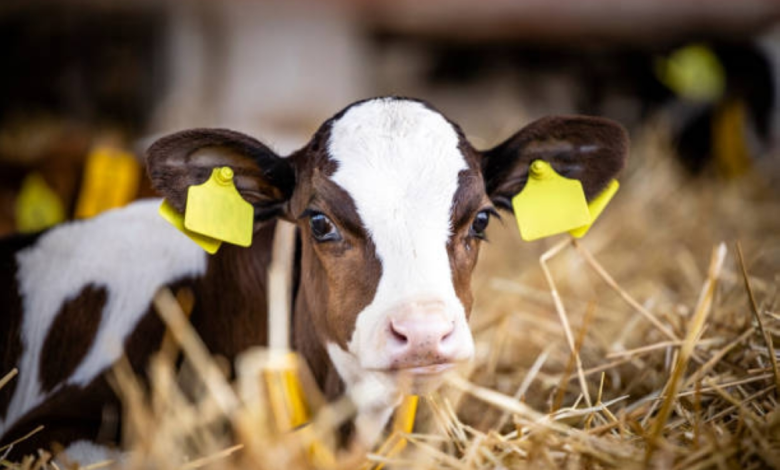
تولي المملكة العربية السعودية أهمية قصوى لملف الأمن الغذائي، خاصة في ظل التحديات المناخية العالمية وندرة الموارد المائية في المنطقة. ويُعد قطاع الثروة الحيوانية، وتحديداً تربية المجترات الصغيرة مثل الأغنام والماعز، جزءاً لا يتجزأ من النسيج الاقتصادي والاجتماعي والثقافي في المناطق الريفية. ولعقود طويلة، شكل هذا القطاع مصدراً رئيسياً للدخل وسبل العيش لآلاف الأسر، إلا أنه واجه تحديات مزمنة أعاقت نموه، مثل محدودية الوصول إلى الخدمات البيطرية المتقدمة، وارتفاع تكاليف الأعلاف، وانخفاض الكفاءة التناسلية للقطعان.
نتائج مبشرة ونموذج عمل قابل للتوسع
أظهرت نتائج الدراسة التجريبية أن تطبيق نهج مجتمعي متكامل، يقوده فنيون متخصصون في الإنتاج الحيواني، يمكن أن يحدث تحولاً جذرياً في الإنتاجية. ويقوم هذا النموذج على تقديم حزمة متكاملة من الخدمات تشمل تحسين صحة الحيوان، وتوفير التغذية السليمة، وتطبيق أساليب الإدارة التناسلية الحديثة. وقد أسفرت هذه التدخلات عن نتائج مذهلة في المزارع المشاركة، أبرزها:
- تضاعف معدل الولادات: ارتفع المتوسط من 0.4 إلى 0.8 لكل نعجة.
- انخفاض كبير في معدل النفوق: تراجع من 24% إلى 8% فقط، أي انخفاض بمقدار الثلثين.
- زيادة ملحوظة في إنتاج الحليب: تضاعف إنتاج الحليب لدى الأغنام والماعز.
- ارتفاع نسبة ولادات التوائم: مما يعكس تحسن الصحة العامة والخصوبة للقطعان.
الأثر الاقتصادي والاجتماعي المتوقع
تمتلك هذه النتائج القدرة على إحداث تأثير اقتصادي واسع النطاق. وتشير التقديرات إلى أن تعميم هذا النموذج على مستوى المملكة يمكن أن يضيف قيمة اقتصادية تصل إلى 18 مليار ريال سعودي (حوالي 4.8 مليار دولار أمريكي) لإنتاج اللحوم والألبان خلال خمس سنوات فقط. ومن شأن ذلك أن يساهم في تقليل الاعتماد على واردات اللحوم بنسبة تقارب 50%، مما يعزز الميزان التجاري ويدعم الاقتصاد الوطني. على الصعيد الاجتماعي، يُتوقع أن يخلق هذا التحول آلاف فرص العمل في المناطق الريفية، خاصة للشباب والنساء، مما يدعم التنمية المستدامة ويحسن جودة الحياة في تلك المناطق.
نموذج سعودي رائد عالمياً
أكد الدكتور نزار حداد، مدير برنامج منظمة الأغذية والزراعة في المملكة، أن هذا النموذج لا يمثل حلاً محلياً فقط، بل يمكن أن يكون قابلاً للتوسع والتطبيق في العديد من المناطق الجافة وشبه الجافة حول العالم التي تواجه تحديات مماثلة. وبهذا، تقدم المملكة نموذجاً رائداً يمكن أن يساهم في حل أزمات الغذاء في مناطق أخرى، مما يعكس دورها المحوري على الساحة الدولية. وتواصل الوزارة، بالشراكة مع “الفاو”، العمل على توسيع نطاق تطبيق هذا النهج وتسهيل الشراكات بين القطاعين العام والخاص لضمان استدامة التحول في قطاع الثروة الحيوانية.