
Europe's energy crisis: France's position amid the tensions
French Energy Minister Roland Lescure declared that France's energy sector is not in the same precarious situation as some other European countries. His remarks came amidst a severe shortage of oil and gas supplies resulting from escalating geopolitical tensions, particularly the conflict involving the United States, Israel, and Iran. Following a cabinet meeting with President Emmanuel Macron, Lescure told reporters that "France is better prepared and less exposed to the situation than our European neighbors.".
General context and historical background of European energy security
To understand the implications of these statements, one must consider the historical context of energy security in Europe. Europe has historically relied heavily on energy imports to power its factories and heat its homes. Successive crises, from the COVID-19 pandemic to the Russian-Ukrainian conflict, have reshaped the global energy landscape, prompting European countries to diversify their energy supplies. In this context, France stands out as an exception, thanks to its historical and strategic reliance on nuclear power, which provides the majority of its electricity needs. This makes it less vulnerable to the fluctuations in fossil fuel prices compared to other major industrialized nations that depend heavily on imported gas.
The importance of the Strait of Hormuz and its impact on the global economy
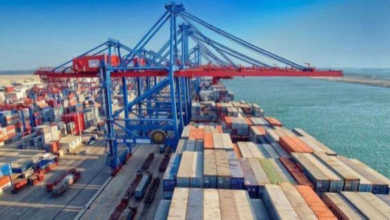
Internationally, energy, fertilizer, and petrochemical prices have risen sharply due to threats of a potential Iranian closure of the Strait of Hormuz. The Strait of Hormuz is one of the world's most strategically important waterways, with approximately 20 million barrels of oil passing through it daily, representing about one-fifth of global oil and gas supplies. Any disruption to shipping in this strait would not only affect fuel prices but would also have a rapid and widespread impact on global economies and supply chains, leading to inflationary waves that would affect commodity and food prices worldwide, further burdening both developing and developed countries.
The 15-point plan and the reactions of the oil markets
Despite these tensions, global markets experienced a temporary respite. Oil prices fell by about 6% amid expectations of a potential ceasefire that would alleviate supply disruptions from the key Middle Eastern production region. This notable decline followed reports that the United States had sent Iran a 15-point plan aimed at ending the state of war and de-escalating tensions between the parties involved.
As a result of these diplomatic developments, Brent crude futures fell by $6.21, or 5.9%, to settle at $98.28 a barrel. Meanwhile, West Texas Intermediate (WTI) crude futures dropped by $4.67, or 5.1%, to $87.68 a barrel. These figures reflect the sensitivity of global energy markets to political events and underscore the critical importance of finding diplomatic solutions to ensure global economic stability and avert deeper economic crises.