The Houthis are changing the names of Sana'a schools to the names of their dead

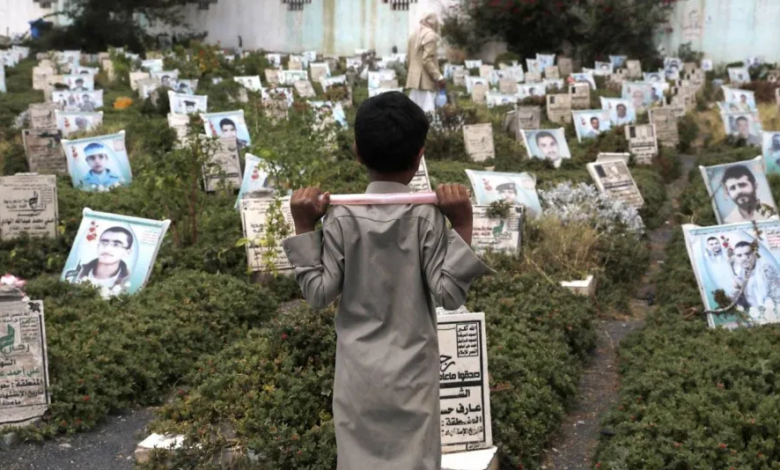
In a move that has sparked widespread controversy and reveals the depth of the changes it is imposing on society, the Houthi group (Ansar Allah) continues its systematic campaign to change the names of schools and educational institutions in the capital, Sana'a, and other areas under its control. Historical and national names are being replaced with the names of the group's fighters killed on the battlefronts, in an attempt to solidify their narrative of the conflict and commemorate their fallen comrades.
This practice is not new; rather, it is part of a broader strategy the group has pursued since seizing control of the capital in September 2014. This strategy aims to reshape the cultural and social identity of Yemeni society in accordance with its political and religious ideology. These measures have included fundamental changes to school curricula, the addition of materials glorifying the group's ideology and its leaders, and the imposition of its political slogans, such as the "slogan," within classrooms and school grounds.
Historical context and its impact on education
The renaming of schools comes in the context of a devastating civil war that has raged for years, leading to the near-total collapse of government institutions, including the education sector. This sector has suffered from the interruption of teachers' salaries, the destruction of school infrastructure, and the displacement of millions of students. Amid this humanitarian crisis, the Houthis are exploiting their control over educational institutions, turning them into tools for ideological indoctrination and child recruitment, as documented in numerous international human rights reports.
Importance and expected effects
Domestically, this move is seen as an attempt to erase the collective national memory and replace it with a sectarian one linked to war and conflict. Yemeni educators and activists believe that naming schools after war casualties perpetuates a culture of violence and death in the minds of younger generations, rather than instilling values of peace, coexistence, and knowledge. This measure also exacerbates societal divisions, as large segments of the population reject these names, which represent a party to the conflict that has devastated their lives.
Regionally and internationally, these practices reflect the difficulty of reaching a comprehensive political solution in Yemen. They indicate that the Houthis are not only seeking military and political control, but also aiming to effect long-term demographic and cultural change that will make it difficult to reunify Yemen's social fabric even after the war ends. These actions raise concerns among international organizations concerned with children's rights and education, such as UNICEF, which warns that the politicization of education jeopardizes the future of millions of children and undermines any chance of building lasting peace in the country.