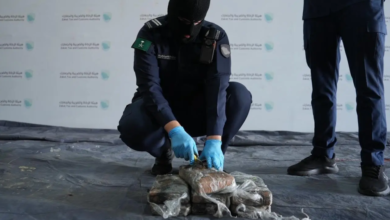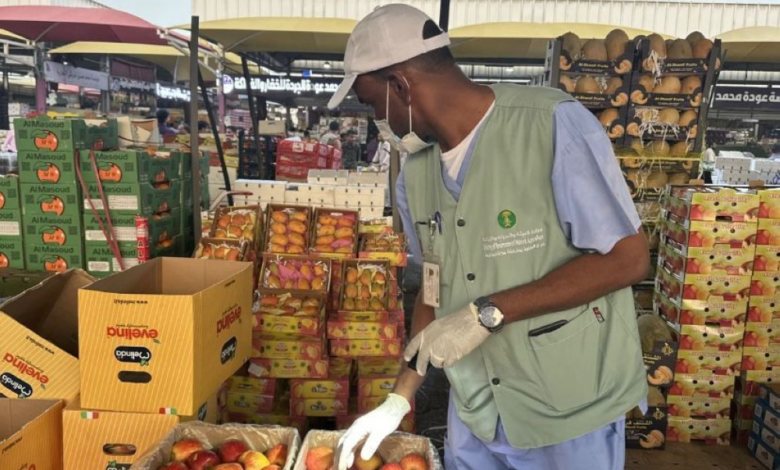

As part of the Saudi Arabian government's ongoing efforts to ensure the highest public health standards, the Makkah branch of the Ministry of Environment, Water and Agriculture, represented by the Markets and Slaughterhouses Department, conducted a large-scale inspection campaign that resulted in a significant achievement in consumer protection. These efforts culminated in the seizure and confiscation of over 1,000 kilograms of spoiled meat unfit for human consumption.
Details of the intensive inspection tours
During March, the Ministry's field teams significantly intensified their activities, conducting over 1,500 inspection and monitoring tours. These tours targeted public markets and various meat outlets in the Holy City of Mecca. These proactive measures are part of the Ministry's ongoing monitoring programs across the Kingdom, aimed at ensuring establishments' compliance with health requirements, raising the level of adherence to regulations, and guaranteeing the safety of food products offered to consumers. All necessary legal measures were taken against violators, and the seized quantities were destroyed in accordance with approved legal and health frameworks.
General context and the geographical and religious importance of Mecca
These seizures are doubly important given the exceptional status of Mecca. The holy city is not merely a major Saudi city, but a destination for millions of Muslim pilgrims, Umrah performers, and visitors who flock to it throughout the year from all corners of the earth. Historically, the Saudi leadership has always placed great emphasis on providing a healthy and safe environment for the guests of God. These inspection campaigns fall under the umbrella of Saudi Vision 2030, one of whose pillars aims to improve the quality of life, enhance food security, and provide a comprehensive system for preventing foodborne illnesses.
Expected impact: locally, regionally, and internationally
Domestically, these stringent measures contribute to protecting citizens and residents from food poisoning and zoonotic diseases, thus easing the burden on the healthcare sector. Regionally and internationally, the Kingdom's success in tightening control over food markets in Mecca reinforces the international community's confidence in Saudi Arabia's ability to efficiently and effectively manage gatherings of millions of people. Protecting the food of pilgrims and Umrah performers is a protection of global public health, as it prevents the transmission of any foodborne illnesses to the pilgrims' home countries upon their return.
Firmness in implementing regulations to ensure food safety
For his part, the Director General of the Ministry of Environment, Water and Agriculture branch in the Makkah region, Engineer Waleed Al-Dughaither, affirmed that these periodic inspection tours are an integral part of the strategy to enhance food security. Engineer Al-Dughaither emphasized that there will be no leniency or tolerance for any violations that affect food safety and public health. He also issued a clear and continuous call to all commercial establishments and retail outlets to fully comply with health regulations, bylaws, and requirements, stressing that monitoring will continue to protect public health and ensure the provision of safe and healthy food for all.