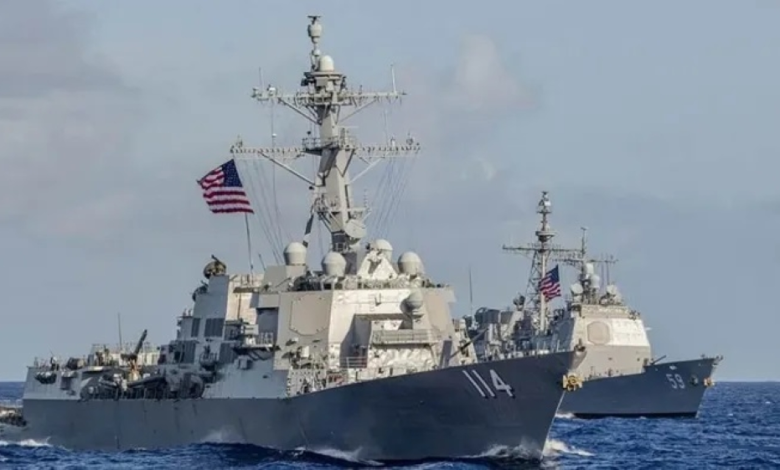

US operation to secure navigation in the Strait of Hormuz
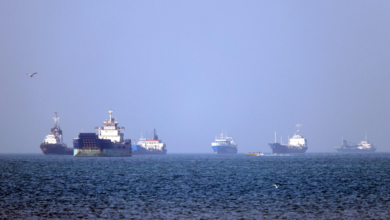
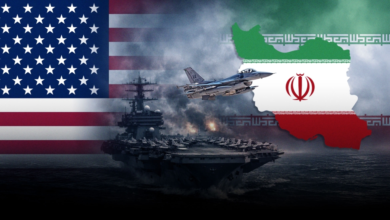
The US military announced the start of a military operation aimed at restoring and ensuring freedom of navigation for commercial vessels through the Strait of Hormuz, a strategic waterway and vital artery for global energy supplies. This move comes amid escalating tensions in the region and fears of disruption to international trade. According to Al Arabiya, the US military confirmed its support for the operation with a substantial force including 15,000 troops, guided-missile destroyers, and more than 100 warplanes, reflecting Washington's seriousness in securing this crucial waterway.
The strategic importance of the Strait of Hormuz
The Strait of Hormuz derives its importance from being one of the world's most crucial maritime chokepoints, through which approximately one-fifth of the world's daily oil consumption passes, making it of paramount importance to the global economy. The strait connects the Persian Gulf to the Gulf of Oman, and from there to the Arabian Sea and the Indian Ocean. Major oil-exporting countries such as Saudi Arabia, the United Arab Emirates, Kuwait, Qatar, Iraq, and Iran rely on it to export their oil to global markets. Any disruption to navigation in this strait could lead to a sharp rise in global oil prices and cause significant disruptions to international supply chains.
Historical background of tensions
The Strait of Hormuz has never been immune to geopolitical tensions throughout history. During the Iran-Iraq War in the 1980s, the strait witnessed what became known as the "Tanker War," in which warring forces targeted oil tankers, prompting international powers, including the United States, to intervene to protect commercial vessels and secure navigation through military escorts. Threats to close the strait resurface periodically, particularly from Iran, as a political pressure tactic in the face of sanctions or international pressure, making its security a constant priority for energy-consuming nations and their allies.
Details of the operation and statements from officials
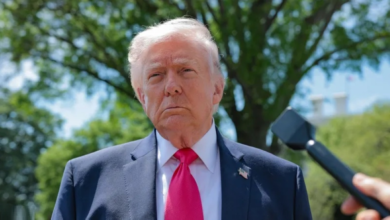
A US official explained to The Wall Street Journal that the new operation, in its current phase, does not involve direct escorting of commercial tankers by US warships. Instead, it will focus on monitoring and enabling countries and companies to coordinate safe maritime traffic. For his part, then-US President Donald Trump stated that the United States would begin escorting ships in the Strait starting Monday, noting that this decision came in response to requests from various countries. Trump described the initiative as "humanitarian," pointing out that some of the stranded ships were running low on supplies, and emphasizing that the goal was to enable ships to continue their operations freely and efficiently.
Expected impacts at the regional and international levels
This operation is expected to have multiple effects. Economically, it aims to reassure global energy markets and prevent any unjustified spikes in oil prices stemming from security concerns. Geopolitically, it sends a clear message of deterrence to any party contemplating threatening freedom of navigation and reinforces the United States' role as a guarantor of energy security in the region. The Gulf Arab states are likely to welcome this move, which aligns with their interests in stabilizing their oil exports, while Tehran may view it as an escalatory step that further militarizes the region.