The International Monetary Fund is urging Egypt to enhance exchange rate flexibility

IMF demands regarding the Egyptian economy
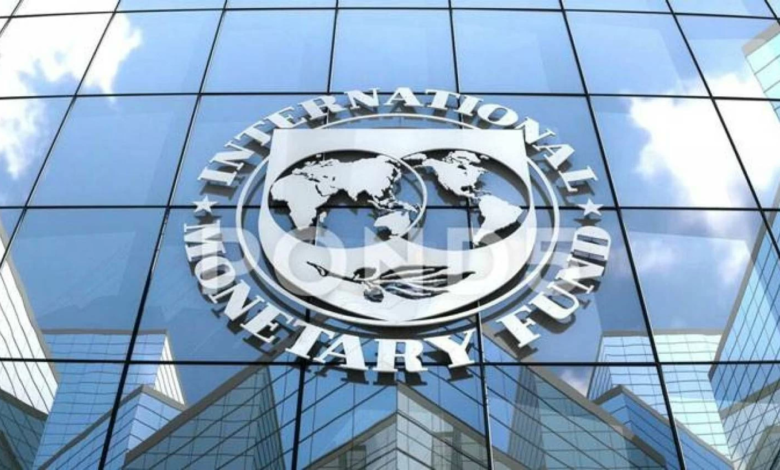
stated the International Monetary Fund (IMF) that the Egyptian government must continue its path toward a flexible exchange rate, but with a stronger and clearer framework for intervention in the foreign exchange market. The IMF emphasized the importance of a comprehensive economic program based on market supply and demand mechanisms, aimed at accumulating foreign reserves to enhance their adequacy and resilience to external shocks.
The historical context of exchange rate liberalization
These recommendations and reviews come at a crucial economic juncture, as Egypt took historic steps in March of this year to liberalize the exchange rate of the Egyptian pound in order to eliminate the parallel market (black market) that had negatively impacted foreign currency inflows. This decision coincided with the signing of an expanded agreement with the International Monetary Fund to increase its financing to $8 billion, which contributed to restoring investor confidence, attracting foreign direct investment, and alleviating the dollar crisis that the country had been experiencing.
The role of government banks and the risks of indirect intervention
The IMF, in its fifth and sixth reviews of Egypt’s economic reform program, noted that the Central Bank of Egypt had refrained from direct intervention in the foreign exchange market in recent periods. Instead, state-owned banks undertook all foreign currency sales to mitigate volatility during periods of economic stress. The report cautioned that this approach, whereby state-owned banks play a stabilizing role for the Egyptian pound during shocks, could increase financial risks to their balance sheets, as interbank market data showed that these banks were the primary source of foreign currency during two periods of significant volatility.
The need for transparent and direct interventions
The IMF added that this situation underscores the urgent need to strengthen the central bank's intervention framework in the foreign exchange market. It stressed that such interventions must be transparentand conducted directly by the central bank, not through state-owned commercial banks. The IMF also recommended that these exceptional interventions be limited to cases of extreme market volatility only, to ensure that free market mechanisms are not disrupted.
Modern financial tools for risk management
To achieve sustainable stability, the IMF urged Egypt to utilize modern and complementary financial instruments to effectively manage foreign exchange risks. These instruments include currency forwards, currency swaps, and repurchase agreements (repos). Such instruments would provide greater protection for market participants against sudden price fluctuations.
Expected impact of adhering to a flexible exchange rate policy
Adherence to these recommendations has far-reaching implications on several levels:
- At the local level: Continued exchange rate flexibility will protect foreign exchange reserves and ensure that the parallel market does not return, which will positively impact the stability of basic commodity prices in the medium term to control inflation rates.
- At the regional and international levels, this commitment reinforces Egypt's position as an attractive destination for foreign direct investment and portfolio investments. It also sends a strong message of reassurance to international financial institutions and regional partners that the Egyptian economy is managed according to global best practices, thus facilitating access to future financing and enhancing the country's credit rating.