
توجه عالمي نحو تمديد حظر الرسوم الجمركية الرقمية
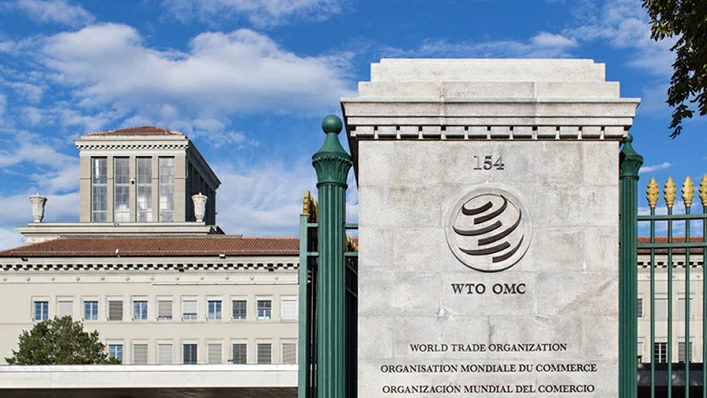
تتجه أنظار الخبراء والاقتصاديين نحو أروقة منظمة التجارة العالمية، حيث يدرس الأعضاء حالياً مقترحاً حاسماً يتعلق بمستقبل الاقتصاد الرقمي. ووفقاً لمسودة بيان جرى تداولها مؤخراً، تدرس المنظمة تمديداً لمدة 5 سنوات لحظر عالمي يمنع فرض الرسوم الجمركية على التجارة الإلكترونية والعمليات الرقمية. هذا التوجه يعكس الأهمية المتزايدة للتجارة الرقمية في الاقتصاد العالمي الحديث، ويسعى لضمان استقرار الأسواق التكنولوجية.
السياق التاريخي: بداية تعليق الرسوم الجمركية
لفهم أبعاد هذا القرار، يجب العودة إلى عام 1998، وهو العام الذي شهد إقرار منظمة التجارة العالمية لما يُعرف بـ «تعليق فرض الرسوم الجمركية على عمليات النقل الإلكتروني». منذ ذلك الحين، جرت العادة على تجديد هذا التعليق بشكل دوري كل عامين خلال المؤتمرات الوزارية للمنظمة. كان الهدف الأساسي من هذا الإجراء في بداياته هو منح شبكة الإنترنت والتجارة الإلكترونية الناشئة فرصة للنمو والازدهار دون قيود جمركية تعرقل تدفق البيانات والخدمات عبر الحدود. وقد أسهم هذا القرار التاريخي في تشكيل ملامح الاقتصاد الرقمي العالمي كما نعرفه اليوم، مما سمح بنمو هائل في قطاعات التكنولوجيا والخدمات الرقمية العابرة للقارات.
الموقف الأمريكي: البحث عن مكاسب دائمة
في الوقت الراهن، وخلال المؤتمر الوزاري الرابع عشر للمنظمة (MC14) الذي انطلقت أعماله في العاصمة الكاميرونية ياوندي، تبرز تحركات قوية من قبل إدارة ترمب لدفع الدول الأعضاء نحو إبرام اتفاق دائم بدلاً من التمديد المؤقت. ووفقاً للمسودة التي اطلعت عليها وكالة «بلومبرغ»، فإن الدول تتجه للتوافق على الاستمرار في عدم فرض رسوم جمركية على تجارة الخدمات الرقمية عبر الإنترنت حتى 30 يونيو 2031.
وفي بيان صادر تزامناً مع انطلاق المؤتمر، وصف الممثل التجاري الأمريكي، جيمسون غرير، خطوة جعل هذا التعليق دائماً بأنها «أسهل المكاسب الممكنة» التي يمكن تحقيقها. وأكد غرير بوضوح أن واشنطن «ليست مهتمة بتمديد مؤقت آخر لهذا التعليق»، مشيراً إلى أن الاعتماد على التمديدات المؤقتة لن يوفر للشركات والمستثمرين اليقين القانوني والتجاري اللازم لتوسيع عملياتها، فضلاً عن أن استمرار حالة عدم اليقين سيؤدي إلى مزيد من الإضعاف لمكانة منظمة التجارة العالمية ودورها في تنظيم التجارة الدولية.
أهمية الحدث وتأثيره المتوقع على الاقتصاد العالمي
يحمل قرار تمديد أو تثبيت حظر رسوم التجارة الإلكترونية تأثيرات عميقة على مستويات متعددة. على الصعيد الدولي، يضمن استمرار الحظر تدفقاً سلساً للبيانات والخدمات الرقمية مثل البرمجيات، والمحتوى الترفيهي، والخدمات المالية، مما يعزز من نمو الناتج المحلي الإجمالي العالمي. أما على الصعيد الإقليمي والمحلي، فإن الدول النامية والأسواق الناشئة تستفيد من هذا الحظر للوصول إلى التكنولوجيا والخدمات المتقدمة بتكاليف أقل، مما يدعم رواد الأعمال والشركات الصغيرة والمتوسطة في هذه الدول للاندماج في سلاسل القيمة العالمية.
ومع ذلك، يثير هذا الملف جدلاً مستمراً؛ حيث ترى بعض الدول النامية أن استمرار إعفاء التجارة الإلكترونية من الرسوم الجمركية يحرم ميزانياتها الوطنية من إيرادات ضريبية ضخمة، خاصة مع التحول المتسارع نحو استهلاك السلع والخدمات الرقمية بدلاً من المادية. في المقابل، يجادل المؤيدون للحظر بأن الفوائد الاقتصادية الناتجة عن نمو الاقتصاد الرقمي، وخلق فرص العمل، وزيادة الابتكار، تتجاوز بكثير أي خسائر محتملة في الإيرادات الجمركية.
مستقبل التجارة الرقمية
في الختام، يمثل قرار منظمة التجارة العالمية بشأن رسوم التجارة الإلكترونية نقطة تحول مفصلية. سواء انتهى الأمر بتمديد لمدة خمس سنوات حتى عام 2031 أو بالتوصل إلى اتفاق دائم كما تطمح الإدارة الأمريكية، فإن النتيجة ستشكل قواعد اللعبة للاقتصاد الرقمي العالمي للعقد القادم، مما يحتم على جميع الدول الاستعداد للتكيف مع هذه التحولات الاستراتيجية لضمان استدامة نموها الاقتصادي.