Washington is considering Iranian proposals to ease tensions in the Strait of Hormuz

Washington is considering a new Iranian offer to de-escalate tensions
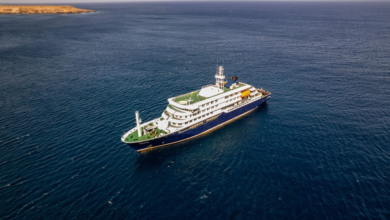
The United States announced it is considering new Iranian proposals aimed at defusing the crisis in the Strait of Hormuz, a vital waterway for the global economy. White House spokeswoman Caroline Leavitt confirmed that Washington had received the new offer and is evaluating it, following media reports that Tehran had presented the proposals through Pakistani intermediaries in an attempt to end weeks of tension that have negatively impacted international shipping and energy prices.
Background to the tension: From the nuclear agreement to the policy of “maximum pressure”
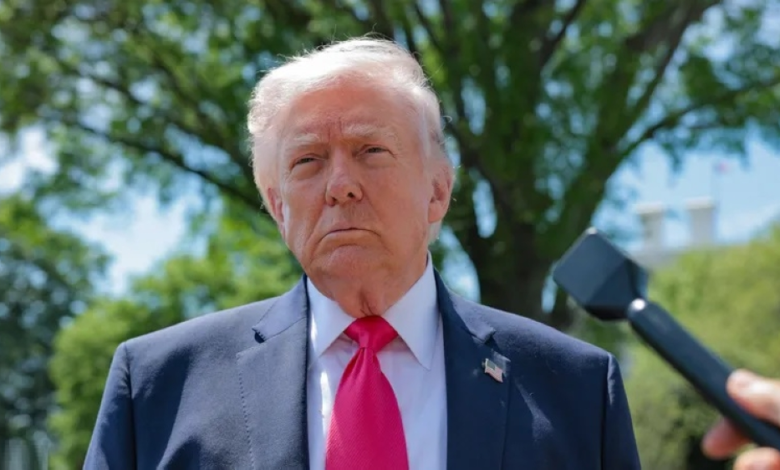
The roots of the current crisis lie in the decision by former President Donald Trump's administration to withdraw from the Iran nuclear deal (the Joint Comprehensive Plan of Action) in 2018 and reimpose crippling economic sanctions on Tehran as part of a policy known as "maximum pressure." In response, Iran escalated its nuclear activities and repeatedly threatened to close the Strait of Hormuz, through which nearly a fifth of the world's oil supply passes, as leverage to lift the sanctions that have paralyzed its economy. The region has witnessed attacks on oil tankers and retaliatory strikes in recent months, raising fears of a wider military confrontation.
Details of the Iranian offer and its potential impact
According to the news website Axios, the new Iranian offer involves fully reopening the Strait of Hormuz to international shipping in exchange for postponing negotiations on the Iranian nuclear program. While Washington has not officially disclosed the details of the offer, prominent Republican Senator Marco Rubio described it in a notable statement as "better than we expected them to offer," adding, "Obviously, we will not negotiate through the media, but we must ensure that any agreement we reach permanently prevents them from ever acquiring a nuclear weapon.".
This development represents a significant diplomatic shift, indicating a willingness on both sides to explore solutions to avoid direct confrontation. Regionally, reaching an understanding could help ease tensions in the volatile Gulf region. Internationally, ensuring freedom of navigation in the Strait of Hormuz would contribute to the stability of global energy markets, which are vulnerable to any disruption in this vital waterway.
Multilateral diplomatic efforts
These proposals come amidst intense diplomatic activity. While Pakistani mediation played a pivotal role, Iranian Deputy Foreign Minister Abbas Araqchi conducted a series of talks, including a visit to Russia and a meeting with President Vladimir Putin, who affirmed that his country would exert every effort to achieve peace. Araqchi attributed the failure of previous negotiations to what he termed the "excessive demands" of the American side, emphasizing his country's resilience in the face of sanctions. Meanwhile, Iran's ambassador to the United Nations, Amir Saeed Irvani, stated that Tehran needs "credible guarantees" against a US or Israeli attack before achieving full stability in the region.