
Optimism on Wall Street following signs of a US-Iran agreement
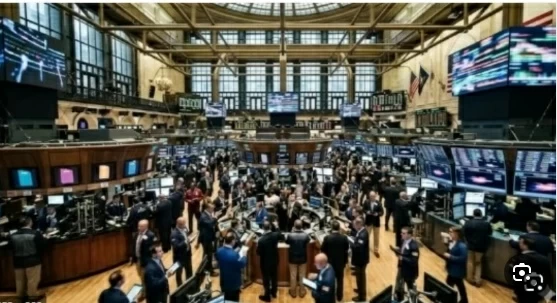
Global financial markets, particularly Wall Street, witnessed an unprecedented rally, with major indices closing at record highs for the third consecutive day. This remarkable surge was fueled by a wave of optimism among investors following positive news regarding the possibility of an agreement between the United States and Iran. This optimism immediately stabilized markets and eased geopolitical concerns that had long cast a shadow over the global economy.
Record highs for US market indices
In terms of trading details, technology stocks led this historic rally. The broader S&P 500 index rose 84.64 points, or 1.20%, to close at 7,125.12. Similarly, the tech-heavy Nasdaq Composite index surged 363.57 points, or 1.51%, to settle at 24,466.27.
The positive performance wasn't limited to the technology sector; it extended to the industrial sector as well, with the Dow Jones Industrial Average recording its highest closing level since late February. The long-established index advanced by 864.23 points, or 1.78%, to reach 49,442.95 points, reflecting investors' deep confidence in the economic recovery.
The importance of the Strait of Hormuz and the decline in oil prices
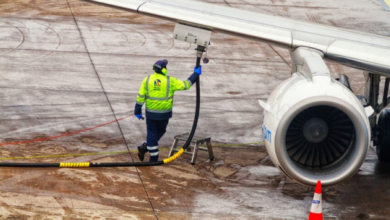
The primary reason for this recovery is Iran's decision to reopen the Strait of Hormuz, a move analysts consider crucial for easing tensions in the Middle East. Historically, the Strait of Hormuz is one of the world's most strategically important waterways, through which roughly one-fifth of the world's daily oil production passes. Any threat of closure of this strait has historically led to dramatic spikes in energy prices.
As traders grew increasingly confident that an end to the conflicts and wars in the region was imminent, US crude oil prices fell by more than 9% in the last trading session. This sharp decline in energy prices played a pivotal role in easing inflation fears that had been pressuring global central banks toward tighter monetary policies.
Historical context and expected impact of the agreement
Over the past decades, relations between the United States and Iran have been characterized by persistent tension, making the Persian Gulf region a focal point of geopolitical volatility that directly impacts global energy security. Reaching a comprehensive agreement between Washington and Tehran would not only lower oil prices but also enhance regional stability in the Middle East, paving the way for increased foreign investment and a revitalization of global trade.
Internationally, major economies in Europe and Asia breathe a sigh of relief with every positive development concerning energy security, as these countries rely heavily on oil and gas from the Gulf region. Consequently, price stability helps reduce production and shipping costs, which in turn supports global economic growth and reduces the likelihood of recession.
Experts' vision for the future of markets
In this context, Bob Doll, CEO of a specialized financial company, stated: “Concerns that rising oil prices will lead to a global economic slowdown are diminishing, coinciding with significant progress towards a possible final agreement.”.
The financial expert added, explaining the cautious optimism prevailing in the markets: “Despite the lack of a formal and final agreement between the United States and Iran at this moment, it is clear that things are moving in a positive direction that greatly helps to support the rise of the market and enhance investor confidence in the medium and long term.”.