
تصعيد أمريكي جديد: ترامب يهدد بتدمير منشآت الطاقة الإيرانية
في تصعيد لافت يعكس استمرار التوترات الجيوسياسية، جدد الرئيس الأمريكي السابق دونالد ترامب تهديداته المباشرة والمشددة تجاه طهران، محذراً من تدمير البنية التحتية للطاقة في إيران بشكل كامل، ما لم يتم التوصل إلى اتفاق شامل مع الولايات المتحدة الأمريكية يضمن وضع حد نهائي للصراعات والحروب الدائرة في منطقة الشرق الأوسط.
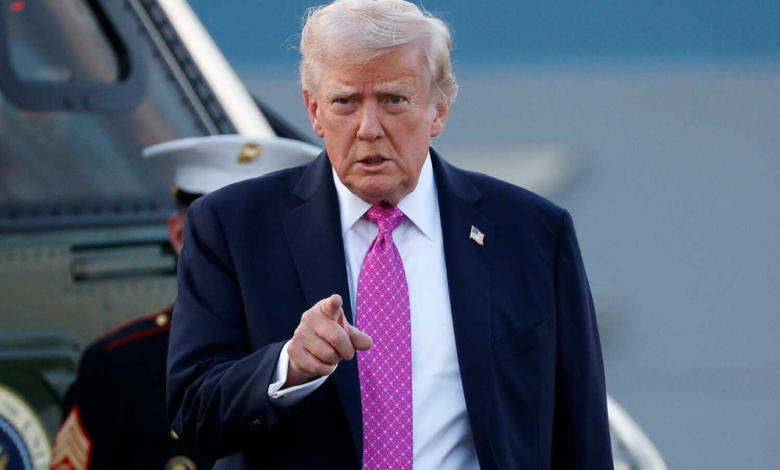
وفي مقابلة تلفزيونية حديثة مع شبكة “فوكس نيوز” الأمريكية، أطلق ترامب تصريحات نارية قائلاً: “يمكنني القضاء على إيران في يوم واحد.. يمكنني القضاء على كل ما يتعلق بقطاع الطاقة لديهم، بما في ذلك كافة محطاتهم المخصصة لإنتاج الطاقة الكهربائية”. هذه التصريحات تعيد تسليط الضوء على النهج الصارم الذي يتبناه ترامب في التعامل مع الملف الإيراني.
السياق العام والخلفية التاريخية للعلاقات الأمريكية الإيرانية
تأتي هذه التصريحات في سياق تاريخي مشحون بالتوترات بين واشنطن وطهران، خاصة خلال فترة تولي ترامب الرئاسة الأمريكية (2017-2021). فقد اعتمدت إدارته آنذاك استراتيجية “الضغوط القصوى”، والتي تجلت أبرز محطاتها في انسحاب الولايات المتحدة أحادي الجانب من الاتفاق النووي الإيراني (خطة العمل الشاملة المشتركة) في عام 2018. وعقب ذلك، فرضت واشنطن حزم عقوبات اقتصادية قاسية استهدفت بشكل أساسي قطاعي النفط والمصارف الإيرانيين، بهدف شل الاقتصاد الإيراني وإجبار طهران على التفاوض بشأن برنامجها النووي والصاروخي ونفوذها الإقليمي.
كما شهدت تلك الفترة تصعيداً عسكرياً غير مسبوق، بلغ ذروته في مطلع عام 2020 مع اغتيال قائد فيلق القدس قاسم سليماني في غارة أمريكية بالعراق، وهو ما ردت عليه إيران بقصف صاروخي استهدف قاعدة عين الأسد التي تستضيف قوات أمريكية. هذا التاريخ الحافل بالعداء يجعل من التهديدات الحالية امتداداً طبيعياً لسياسة ترامب المتشددة تجاه طهران.
أهمية الحدث والتأثير المتوقع على المستويات كافة
تحمل التهديدات باستهداف البنية التحتية للطاقة في إيران أبعاداً وتداعيات خطيرة تتجاوز الحدود الجغرافية للبلدين، لتشمل تأثيرات محلية وإقليمية ودولية واسعة النطاق.
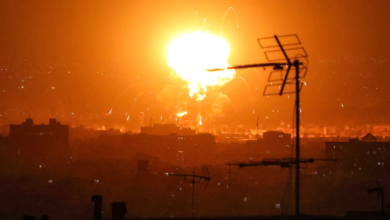
على الصعيد المحلي الإيراني: يمثل قطاع الطاقة، وخاصة النفط والغاز والكهرباء، الشريان الحيوي للاقتصاد الإيراني. أي استهداف فعلي لهذه المنشآت سيؤدي إلى شلل اقتصادي تام، وانقطاع واسع للتيار الكهربائي، مما سيفاقم من الأزمات المعيشية والاجتماعية التي يعاني منها الداخل الإيراني بالفعل نتيجة العقوبات المستمرة.
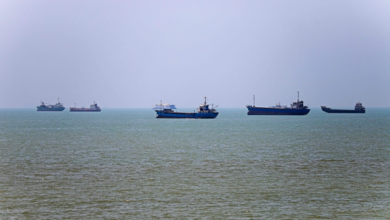
على الصعيد الإقليمي: من شأن هذه التهديدات أن تزيد من حالة عدم الاستقرار في منطقة الشرق الأوسط، التي تشهد بالفعل صراعات متعددة. قد تدفع هذه التصريحات طهران إلى تعزيز إجراءاتها الأمنية والعسكرية في مياه الخليج العربي ومضيق هرمز، الذي يمر عبره نحو خُمس استهلاك العالم من النفط. أي توتر في هذا الممر المائي الاستراتيجي يهدد أمن الملاحة البحرية وإمدادات الطاقة لدول المنطقة.
على الصعيد الدولي: ترتبط أسواق الطاقة العالمية ارتباطاً وثيقاً بالاستقرار في الشرق الأوسط. مجرد التلويح بضرب منشآت الطاقة الإيرانية يمكن أن يثير مخاوف المستثمرين ويؤدي إلى تقلبات حادة في أسعار النفط العالمية. علاوة على ذلك، فإن تصاعد التوتر بين واشنطن وطهران يعقد من جهود المجتمع الدولي الرامية إلى إرساء السلام في المنطقة، ويضع حلفاء الولايات المتحدة الأوروبيين والآسيويين في موقف حرج فيما يتعلق بضمان أمن إمداداتهم من الطاقة.
ختاماً، تعكس تصريحات ترامب الأخيرة استمراراً لنهج التصعيد والضغط كأداة سياسية، مما يضع منطقة الشرق الأوسط والعالم أمام سيناريوهات مفتوحة تعتمد على مدى جدية هذه التهديدات وتطورات المشهد السياسي الأمريكي والإقليمي في المرحلة المقبلة.