
في تصعيد جديد يعكس عمق التوترات الجيوسياسية بين واشنطن وطهران، وجه الرئيس الأمريكي دونالد ترامب تحذيراً شديد اللهجة، مؤكداً أن القوات الأمريكية ستدمر أي “سفن هجومية سريعة” تابعة لإيران إذا حاولت كسر الحصار البحري الذي أعلنت الولايات المتحدة فرضه على الموانئ الإيرانية.
تفاصيل التحذير الأمريكي عبر منصة تروث سوشال
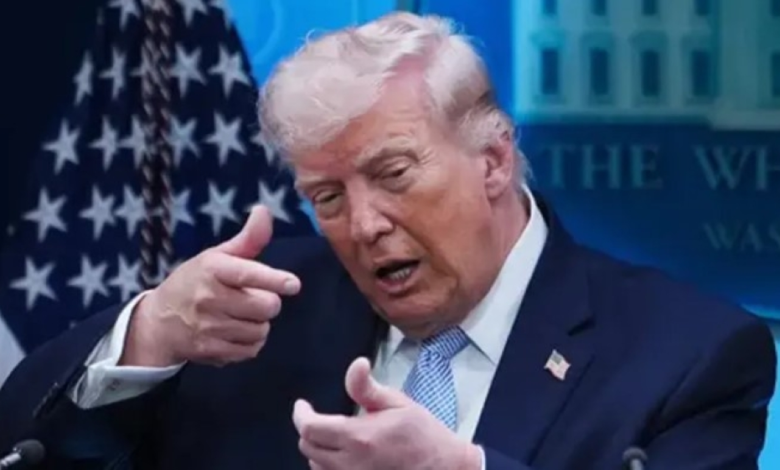
جاءت هذه التصريحات عبر منشور لترامب على منصة “تروث سوشال”، حيث قال بوضوح: “تحذير: إذا اقتربت أي من هذه السفن من حصارنا، سيتم القضاء عليها فوراً”. وتعد هذه الإشارة الضمنية موجهة بشكل مباشر إلى الزوارق الهجومية السريعة التي يمتلكها الحرس الثوري الإيراني، والتي طالما استخدمتها طهران في مناورات استفزازية ضد السفن التجارية والعسكرية في مياه الخليج العربي.
السياق التاريخي للتوترات البحرية بين واشنطن وطهران
لم تكن هذه التهديدات وليدة اللحظة، بل تستند إلى تاريخ طويل من الاحتكاكات البحرية. وقد ذكّر الرئيس الأمريكي في تصريحاته بأن السفن الأكبر حجماً التابعة للبحرية الإيرانية “قد تم تدميرها” في السابق. يعيد هذا التصريح إلى الأذهان عملية “فرس النبي” (Operation Praying Mantis) في عام 1988، عندما قامت البحرية الأمريكية بتدمير جزء كبير من الأسطول الإيراني رداً على إصابة فرقاطة أمريكية بلغم بحري إيراني، مما يؤكد جدية التهديدات الأمريكية الحالية وقدرتها على التنفيذ.
مقاربة قواعد الاشتباك: من فنزويلا إلى الشرق الأوسط
لفت ترامب الانتباه إلى استراتيجية عسكرية صارمة، مشيراً إلى أنه سيتم استخدام “نظام القتل نفسه الذي اعتمدناه حيال مراكب مهربي المخدرات في البحر”. هذا التصريح يشير إلى العمليات الحازمة التي نفذتها القيادة الجنوبية للولايات المتحدة قبالة سواحل فنزويلا وفي البحر الكاريبي، حيث تم منح القوات صلاحيات واسعة لتحييد التهديدات غير النمطية. تطبيق قواعد الاشتباك هذه في بيئة معقدة مثل مضيق هرمز يعني خفض عتبة التسامح العسكري إلى الصفر، مما يزيد من احتمالية اندلاع مواجهات مسلحة سريعة وحاسمة.
التأثير المتوقع على المستويين الإقليمي والدولي
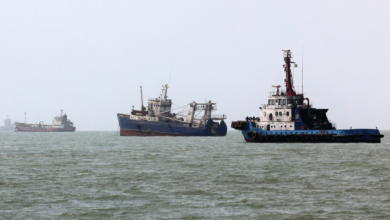
على المستوى الإقليمي، يمثل فرض حصار أمريكي على الموانئ الإيرانية وتدمير أي قطع بحرية تحاول كسره، تطوراً خطيراً يهدد أمن الملاحة في واحد من أهم الممرات المائية في العالم. يمر عبر مضيق هرمز نحو خُمس استهلاك العالم من النفط، وأي تصعيد عسكري هناك ينذر باضطرابات واسعة في سلاسل الإمداد.
أما على المستوى الدولي، فإن هذه التطورات تضع حلفاء واشنطن وشركاء إيران التجاريين، وعلى رأسهم الصين، تحت ضغط هائل. تأتي هذه الخطوات كامتداد لسياسة “الضغوط القصوى” التي تهدف إلى تصفير صادرات النفط الإيرانية وخنق اقتصاد طهران. وبالتالي، فإن أي محاولة إيرانية لكسر هذا الحصار باستخدام القوة العسكرية ستؤدي حتماً إلى رد فعل أمريكي عنيف، مما قد يدفع أسواق الطاقة العالمية نحو تقلبات حادة في الأسعار، ويضع منطقة الشرق الأوسط بأسرها على شفا أزمة أمنية واقتصادية واسعة النطاق.