
مقدمة عن مسار المفاوضات الأميركية الإيرانية
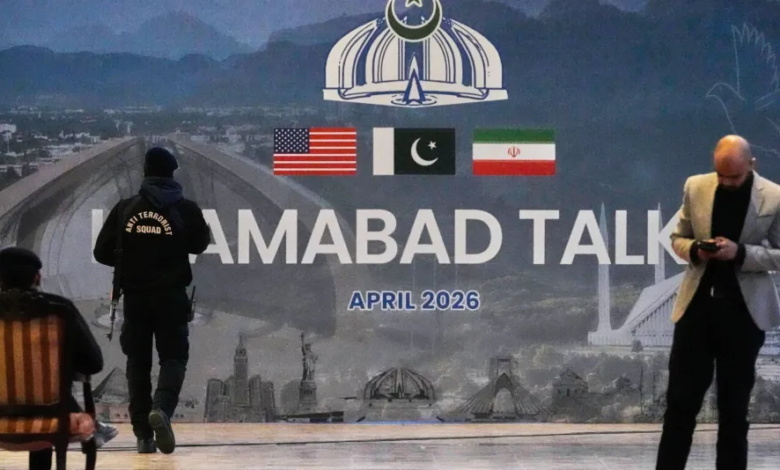
تتجه أنظار المجتمع الدولي والمراقبين السياسيين نحو التطورات الأخيرة في مسار المفاوضات الأميركية الإيرانية، خاصة مع الحديث المتزايد عن تطبيق هدنة مؤقتة لمدة 14 يوماً. تعتبر هذه الخطوة بمثابة اختبار حقيقي للنوايا بين واشنطن وطهران، ومحاولة جادة لخفض التصعيد في منطقة الشرق الأوسط التي تشهد توترات غير مسبوقة. يرى الخبراء أن هذه الهدنة قد تمهد الطريق لجولات جديدة من الحوار الدبلوماسي المباشر أو غير المباشر، مما يفتح الباب أمام تسويات أوسع للملفات العالقة بين البلدين.
السياق التاريخي للعلاقات بين واشنطن وطهران
لفهم أهمية هذه الهدنة، يجب النظر إلى السياق التاريخي المعقد للعلاقات بين الولايات المتحدة وإيران. منذ انسحاب واشنطن الأحادي من الاتفاق النووي (خطة العمل الشاملة المشتركة) في عام 2018، دخلت العلاقات في نفق مظلم من العقوبات الاقتصادية القاسية وحملات الضغوط القصوى. في المقابل، ردت طهران بتقليص التزاماتها النووية وزيادة نسب تخصيب اليورانيوم، بالإضافة إلى تعزيز نفوذها الإقليمي. هذا التصعيد المتبادل خلق حالة من عدم الاستقرار الدائم، وجعل من أي محاولة للتهدئة، مثل هدنة الـ14 يوماً، حدثاً استثنائياً يستحق التوقف عنده وتحليله بعمق.
أهمية هدنة الـ14 يوماً كإجراء لبناء الثقة
تكتسب هدنة الـ14 يوماً أهمية بالغة في العرف الدبلوماسي، حيث تُعد أداة فعالة لبناء الثقة بين الأطراف المتنازعة. يوضح المراقبون أن هذه الفترة الزمنية القصيرة تهدف إلى تحقيق عدة أهداف استراتيجية؛ أبرزها إيقاف الهجمات المتبادلة، سواء كانت سيبرانية أو عسكرية عبر الوكلاء في المنطقة، وإعطاء فرصة للوسطاء الدوليين والإقليميين لتقريب وجهات النظر. نجاح هذه الهدنة وصمودها طوال الأسبوعين يمكن أن يشكل حجر الأساس لاتفاقيات أطول أمداً، قد تشمل الإفراج عن محتجزين، أو تخفيف جزئي للعقوبات مقابل تجميد بعض الأنشطة النووية.
التأثير المتوقع للهدنة والمفاوضات
لا يقتصر تأثير المفاوضات الأميركية الإيرانية على البلدين فحسب، بل يمتد ليشمل أبعاداً محلية، إقليمية، ودولية:
- التأثير الإقليمي: يعتبر الشرق الأوسط المستفيد الأكبر من أي تهدئة بين واشنطن وطهران. من شأن نجاح المفاوضات أن ينعكس إيجاباً على استقرار دول المنطقة، حيث تتشابك المصالح وتتعدد الأطراف الفاعلة. انخفاض حدة التوتر يقلل من احتمالات اندلاع مواجهات عسكرية واسعة النطاق.
- التأثير الدولي والاقتصادي: تلعب المنطقة دوراً حيوياً في إمدادات الطاقة العالمية. أي تصعيد ينعكس فوراً على أسعار النفط وحركة الملاحة في الممرات المائية الاستراتيجية. لذلك، فإن الهدنة تعزز من استقرار الأسواق العالمية وتطمئن المستثمرين، مما يدعم الاقتصاد العالمي بشكل عام.
رؤية المراقبين والسيناريوهات المستقبلية
يجمع المراقبون على أن طريق المفاوضات الأميركية الإيرانية لا يزال محفوفاً بالتحديات. السيناريو الأول يتمثل في نجاح هدنة الـ14 يوماً وتحولها إلى اتفاق مؤقت يضمن تجميد الوضع الراهن ومنع الانزلاق نحو صراع مفتوح. أما السيناريو الثاني، فيحذر من هشاشة هذه التفاهمات، حيث يمكن لأي تطور ميداني مفاجئ أن ينسف جهود التهدئة ويعيد الأطراف إلى المربع الأول. في كلتا الحالتين، تبقى الدبلوماسية هي الخيار الأقل تكلفة والأكثر جدوى لتجنيب المنطقة والعالم ويلات التوترات المستمرة.