
رغم التفاؤل الذي يصاحب إعلان الهدنة لمدة أسبوعين بين الولايات المتحدة وإسرائيل وإيران، إلا أن المستهلكين قد لا يشعرون بانفراجة قريبة في تكاليف المعيشة. فقد كشفت تقديرات صحيفة «فاينانشال تايمز» أن أسعار النفط والغاز لن تشهد تراجعاً سريعاً ينعكس على الأسواق الفورية. وتؤكد التقارير الاقتصادية أن عملية انتقال أثر انخفاض التكاليف إلى المستهلك النهائي قد تستغرق أشهراً طويلة، وذلك نتيجة شبكة معقدة من العوامل الاقتصادية والتشغيلية التي تحكم الأسواق العالمية.
السياق العام والخلفية التاريخية لتقلبات أسواق الطاقة
تاريخياً، لطالما كانت منطقة الشرق الأوسط الشريان الرئيسي لتدفقات الطاقة العالمية، وأي توتر جيوسياسي فيها ينعكس فوراً على أسعار النفط والغاز. منذ أزمات النفط في السبعينيات، أدركت الأسواق أن التوترات الأمنية تخلق «علاوة مخاطر» تُضاف تلقائياً إلى أسعار برميل النفط. وفي الآونة الأخيرة، أدت التوترات الإقليمية، بما في ذلك الاضطرابات في البحر الأحمر ومضيق هرمز، إلى تعطيل سلاسل الإمداد، مما أجبر السفن التجارية على اتخاذ مسارات أطول وأكثر تكلفة. لذلك، فإن إعلان هدنة مؤقتة، رغم أهميته لتهدئة الأسواق، لا يكفي لمحو المخاوف العميقة لدى المستثمرين والشركات الكبرى من احتمالية تجدد الصراع، مما يجعلهم يتبنون سياسات تسعير حذرة تحسباً لأي طارئ.
لماذا يتأخر انخفاض الأسعار؟
قطاع الطيران: استراتيجية تعويض الخسائر
أشارت صحيفة «فاينانشال تايمز» إلى أن قطاع الطيران يُعد مثالاً حياً وبارزاً على ظاهرة تأخر انخفاض الأسعار. خلال فترات التصعيد العسكري، ارتفعت أسعار وقود الطائرات بنسبة تقارب 80%، مما شكل صدمة تشغيلية دفعت شركات الطيران إلى اتخاذ تدابير صارمة. شملت هذه التدابير رفع أسعار التذاكر الأساسية، فرض رسوم إضافية على الأمتعة، وزيادة تكاليف الخدمات المرافقة للحجوزات. ورغم تراجع أسعار الوقود لاحقاً مع هدوء الأوضاع، فإن هذه الشركات غالباً ما تُبقي على هيكل الأسعار المرتفع لفترة أطول. الهدف من ذلك هو السعي لتعويض الخسائر الفادحة التي تكبدتها خلال ذروة الأزمة، وإعادة بناء هوامشها المالية وتحسين أوضاعها.
التداعيات على القطاع الزراعي والأمن الغذائي
لا يقتصر التأثير السلبي لارتفاع أسعار الطاقة على قطاع النقل فحسب، بل يمتد بعمق إلى القطاع الزراعي الذي يمس الحياة اليومية للمواطنين. يعتمد المزارعون بشكل مكثف على وقود الديزل لتشغيل الآلات والمعدات الزراعية. الأهم من ذلك هو ارتباط صناعة الأسمدة ارتباطاً وثيقاً بأسعار الغاز الطبيعي، الذي يُعد مدخلاً أساسياً في إنتاجها. ومع إضافة تكاليف الشحن والتخزين المرتفعة، تتضخم تكلفة الإنتاج الزراعي. وبالتالي، حتى مع بدء انخفاض أسعار النفط الخام، فإن التكاليف المرتفعة التي تحملها المزارعون في دورات الإنتاج السابقة ستستمر في الظهور على رفوف المتاجر لفترات طويلة، مما يؤخر أي انخفاض ملموس في أسعار السلع الغذائية.
ضغوط التضخم وتأثيرها الإقليمي والدولي
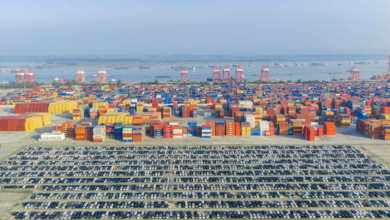
على الصعيد الدولي والإقليمي، يبرز قطاع الشحن البحري والخدمات اللوجستية كعامل حاسم في استمرار الضغوط التضخمية. تشهد أسعار الشحن سلوكاً مشابهاً لقطاع الطيران، حيث تستغرق شركات النقل وقتاً أطول لخفض تعريفاتها. يعود ذلك بشكل رئيسي إلى الاعتماد على العقود طويلة الأجل التي تم توقيعها خلال فترات ارتفاع الأسعار، بالإضافة إلى تقلبات الطلب العالمي ومحاولات الشركات استعادة توازنها المالي. هذا التأخير في تعديل الأسعار يساهم في استمرار معدلات التضخم المرتفعة حتى بعد انحسار الصدمات الأولية. إن التأثير المتوقع لهذه الهدنة يحتاج إلى استقرار جيوسياسي مستدام حتى تبدأ عجلة الأسعار في التراجع الفعلي ويشعر المستهلك بتحسن حقيقي.